June 2025 in “British Journal of Dermatology” Dual-targeting therapies like Janus kinase inhibitors may treat both alopecia areata and other immune diseases.
6 citations
,
May 2013 in “The Journal of Dermatology” Autoimmune reactions may cause both alopecia areata and HAM.
Tofacitinib and low-dose IL-2 may help maintain hair regrowth in alopecia areata without ongoing treatment.
1 citations
,
October 2024 in “European Journal of Histochemistry” Telocytes in silky fowl embryos develop distinct features and connections by the 20th day of incubation.
219 citations
,
July 1995 in “PubMed” Keratinocyte growth factor promotes hair growth and reduces hair loss from chemotherapy.
September 2024 in “Dokumentenrepositorium der RUB (Ruhr University Bochum)” Higher monocyte counts predict less effective adalimumab treatment in hidradenitis suppurativa patients.
 4 citations
,
March 2019 in “Experimental Biology and Medicine”
4 citations
,
March 2019 in “Experimental Biology and Medicine” Exposure to 50 Hz electromagnetic fields may help mice grow hair faster.
 30 citations
,
August 2021 in “Oncogene”
30 citations
,
August 2021 in “Oncogene” miR-22 helps skin cancer grow and spread by activating specific cell signals.
 April 2017 in “Journal of Investigative Dermatology”
 Eating a lot of fat increases PKCβ and inflammation in skin fat cells, which affects skin and hair health.
33 citations
,
September 2008 in “Biochemical and Biophysical Research Communications” Hair follicles can be used to easily create neurons and glial cells for potential nerve repair.
November 2024 in “Journal of Investigative Dermatology” March 2025 in “Medical Science Journal for Advance Research” miR-155 levels in blood could help identify alopecia areata.
9 citations
,
January 2015 in “Medical hypotheses” TCDD disrupts skin stem cells, causing skin issues like chloracne.
3 citations
,
May 2025 in “Stem Cell Research & Therapy” Stem cell therapy from umbilical cords may help treat atopic dermatitis.
118 citations
,
April 2020 in “Stem Cell Research & Therapy” IFNγ-primed MSC secretomes can improve joint health by reducing inflammation and supporting tissue repair.
November 2024 in “Journal of Investigative Dermatology” Bimekizumab quickly improves psoriasis symptoms and skin at the molecular level.
68 citations
,
December 1983 in “British Journal of Dermatology” Major histocompatibility antigens are found in specific skin cells and structures, but not in sweat glands.
 291 citations
,
April 2010 in “Gastroenterology”
291 citations
,
April 2010 in “Gastroenterology” Certain proteins, Lgr5 and Lgr6, are important markers of adult stem cells and are involved in tissue repair and cancer development.
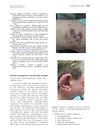
A 72-year-old man was diagnosed with a rare skin form of Rosai-Dorfman disease after years of misdiagnosis.
12 citations
,
May 2010 in “Journal of Clinical Oncology” MK-5108 is safe and shows potential against tumors, especially alone.
 January 2025 in “American Journal of Stem Cells”
 Melanocyte stem cells hold promise for skin regeneration and treating pigmentation issues.
4 citations
,
October 2021 in “International Journal of Cosmetic Science” Cirsium japonicum flower extract increases melanin production and could help treat depigmentation conditions.
January 2026 in “Journal of Investigative Dermatology” Special cells can help regrow hair in alopecia areata.
41 citations
,
July 2019 in “Clinical Cosmetic and Investigational Dermatology” The skin's immune system helps it regenerate and fight infections.
 150 citations
,
August 1992 in “Genes & Development”
150 citations
,
August 1992 in “Genes & Development” TNF alpha in skin cells causes weight loss, hair and fat issues, and skin inflammation in mice.
2 citations
,
September 2024 in “PLoS ONE” Bendamustine combined with tucidinostat may effectively treat adult T-cell leukemia.
 130 citations
,
November 2017 in “Frontiers in Immunology”
130 citations
,
November 2017 in “Frontiers in Immunology” The conclusion is that Treg-targeted therapies have potential, but more knowledge of Treg biology is needed for effective treatments, including for cancer.
415 citations
,
January 2008 in “Cell” NFATc1 controls hair stem cell activity, affecting hair growth and could be a target for hair loss treatments.
June 2004 in “Journal of Investigative Dermatology” Increased pigmentation may protect skin from UVB, new targets for skin disease treatments were identified, sunscreen ingredients don't affect hormones, TNF-α inhibitors may help diabetic wounds, and certain treatments could prevent chemotherapy-induced hair loss.
60 citations
,
December 2003 in “Journal of Investigative Dermatology” K6hf is found in specific parts of hair follicles, nails, and tongue, and is linked to hair growth and structure.