 35 citations
,
January 2013 in “The Journal of experimental medicine/The journal of experimental medicine”
35 citations
,
January 2013 in “The Journal of experimental medicine/The journal of experimental medicine” CD98hc's role in skin health decreases with age.
 20 citations
,
December 2010 in “JEADV. Journal of the European Academy of Dermatology and Venereology/Journal of the European Academy of Dermatology and Venereology”
20 citations
,
December 2010 in “JEADV. Journal of the European Academy of Dermatology and Venereology/Journal of the European Academy of Dermatology and Venereology” Decreased CD200 in hair follicles may cause immune issues in some alopecia areata cases.
April 2010 in “Cancer Research” Basal cell carcinomas may use IDO to protect themselves from the immune system.
January 2023 in “Nature Immunology” Certain immune cells help hair growth by regulating iron in the skin.
July 2024 in “Journal of Investigative Dermatology” Moderate immune responses help hair growth, while excessive responses slow it down.
April 2023 in “Journal of Investigative Dermatology” CD206+ macrophages are crucial for hair growth in alopecia areata treatment.
 August 2023 in “Research Square (Research Square)”
 Melanocytes may trigger the immune response in alopecia areata, affecting hair regrowth.
2 citations
,
September 2024 in “PLoS ONE” Bendamustine combined with tucidinostat may effectively treat adult T-cell leukemia.
15 citations
,
May 2022 in “Journal of Investigative Dermatology” Endothelial TLR2 is crucial for timely wound healing, but HFSC TLR2 is not needed.

Hair follicle stem cells are crucial for touch sensation and proper nerve structure in mice.

Dupilumab helped improve skin and prevent new lesions in a child with a rare immune disorder and severe eczema.
 14 citations
,
July 2012 in “Journal of the American Academy of Dermatology”
14 citations
,
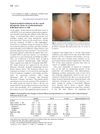
July 2012 in “Journal of the American Academy of Dermatology” Topical tacalcitol ointment can help improve symptoms of EFFC.
July 2024 in “Journal of Investigative Dermatology” ITK inhibitors may effectively treat alopecia areata.
 September 2023 in “Nature Communications”
 Immune cells are essential for skin regeneration using biomaterial scaffolds.
 37 citations
,
January 2009 in “The Journal of Dermatology”
37 citations
,
January 2009 in “The Journal of Dermatology” Hair follicle stem cells can turn into various cell types and help repair nerves.
 April 2023 in “Journal of Investigative Dermatology”
 IL-9/IL-9R signaling can negatively affect human hair growth and may be a target for treating hair loss conditions.
April 2016 in “The journal of investigative dermatology/Journal of investigative dermatology” Combining UVB irradiation and anti-CD154 antibody improves hair follicle transplant survival.
 October 2023 in “bioRxiv (Cold Spring Harbor Laboratory)”
 Early regulatory T cells are crucial for normal skin pigmentation.
Deleting the MAD2L1 gene in mice led to rapid tumor growth despite chromosomal instability.
 8 citations
,
August 2016 in “Journal of pathology and translational medicine”
8 citations
,
August 2016 in “Journal of pathology and translational medicine” CD99 is highly present in certain skin cells and could help treat skin conditions.
TNFα and interleukin-1 blockers reduce skin inflammation from EGFR antibody therapy.
 December 2012 in “Journal of dermatological science”
 Hair follicles help attract immune cells to minor skin injuries.
TNFα and interleukin-1 blockers reduce skin inflammation from EGFR antibody therapy.
561 citations
,
April 2003 in “Journal of Investigative Dermatology” CD34 is a marker for isolating stem-like cells in mouse hair follicles.
20 citations
,
September 2003 in “Journal of Investigative Dermatology” Targeting MIG and MCP-1 may help treat inflammation in alopecia areata.
CAR-T cell therapy shows promise for treating autoimmune disorders but faces challenges like complex manufacturing and limited tissue penetration.
 November 2023 in “Journal of cosmetic dermatology”
 The 595-nm pulsed dye laser effectively reduces symptoms of EFFC with minimal side effects.
15 citations
,
September 2009 in “European Journal of Histochemistry” CD90 is abundantly present on stem-like cells in dog hair follicles.
15 citations
,
November 2020 in “Development” Stem cells in the eye have different roles and behaviors, helping maintain and repair the eye's surface.