4 citations
,
January 2016 in “Methods in molecular biology” Hair follicle stem cells can become nerve cells using specific treatments.
Amotosalen-treated donor T-cells can prevent late CMV infection after bone marrow transplants.
 January 2024 in “Wiadomości Lekarskie”
 AI can help diagnose Follicular Lymphoma by accurately identifying specific cell types.
 4 citations
,
August 2005 in “Archives of Dermatological Research”
4 citations
,
August 2005 in “Archives of Dermatological Research” Higher p63 and CD34 levels found in specific scalp areas may affect hair loss progression.
1 citations
,
December 2023 in “Nanomaterials” Combining specific nanoparticles with immune therapy significantly improves cancer treatment.
July 2024 in “Journal of Investigative Dermatology” Human epidermal stem cells divide faster than previously thought.
 December 2022 in “Research Square (Research Square)”
 The QuantAnts machines can find cancer markers and create CRISPR targets for them.
 November 2022 in “The journal of investigative dermatology/Journal of investigative dermatology”
 Deleting the CD271 gene in mouse skin cells leads to disorganized skin and increased hair growth, suggesting CD271 is important for skin health.
48 citations
,
March 2003 in “International Journal of Cancer” DMBT1 and galectin-3 may help suppress epithelial skin cancer.
421 citations
,
September 2003 in “Development” Stem cell behavior varies with stimuli, and lineage changes can happen without affecting stem cell division.
1 citations
,
January 2025 in “Medicine” Targeting SOX proteins may improve cancer treatment by restoring immune function.
25 citations
,
November 2020 in “Cell Reports Medicine” Developing human skin has immune cells with memory-like features.
Keratinocytes can reduce the survival of certain melanoma cells, suggesting new therapy paths.
 116 citations
,
August 2010 in “Nature”
116 citations
,
August 2010 in “Nature” Scientists turned rat thymus cells into stem cells that can help repair skin and hair.
April 2016 in “The journal of investigative dermatology/Journal of investigative dermatology” Combining UVB irradiation and anti-CD154 antibody improves hair follicle transplant survival.
36 citations
,
April 2010 in “The journal of investigative dermatology/Journal of investigative dermatology” Canine hair follicles have stem cells similar to human hair follicles, useful for studying hair disorders.
4 citations
,
January 2024 in “Allergy” Everyone has an immune response to PPD, but reactions differ, causing tolerance, mild inflammation, or allergy.
September 2016 in “Journal of dermatological science” Human induced pluripotent stem cells can be used to create cells that help grow hair.
 49 citations
,
August 2004 in “The FASEB Journal”
49 citations
,
August 2004 in “The FASEB Journal” Mice with human skin protein K8 had more skin problems and cancer.
 6 citations
,
February 2010 in “Journal of The American Academy of Dermatology”
6 citations
,
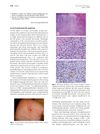
February 2010 in “Journal of The American Academy of Dermatology” A woman had a rare skin condition with recurring painful nodules that heal in 6 weeks, often without needing treatment.
January 2019 in “11th World congress for hair research” January 2022 in “International Journal of Clinical Oncology and Cancer Research” Consider Castleman's disease in similar cases; histology and steroids help diagnose and manage it.
September 2024 in “Journal of the American Academy of Dermatology” January 2008 in “Zhongguo zuzhi gongcheng yanjiu yu linchuang kangfu” Vaginal mucosa stem cells can be effectively isolated and cultured using specific methods.
25 citations
,
January 2013 in “Journal of Cell Science” Tenascin-C and tenascin-W help control stem cell movement and growth in whisker follicles.
 1 citations
,
November 2024 in “Cureus”
1 citations
,
November 2024 in “Cureus” Recognizing RSCC is crucial due to its aggressive nature and high risk of poor outcomes.
1 citations
,
February 2023 in “Journal of Cellular Biochemistry” Cardiomyocyte-derived media can inhibit lung cancer cell growth and movement.
 15 citations
,
July 2016 in “Biochemical Journal”
15 citations
,
July 2016 in “Biochemical Journal” Wnt proteins from certain skin cells are crucial for normal hair growth and renewal.
March 2026 in “Journal for ImmunoTherapy of Cancer” Long-term data and a team approach are needed to manage chronic side effects from cancer treatments.
44 citations
,
September 2016 in “American Journal Of Pathology” Neural crest-derived progenitor cells in the cornea could help treat corneal issues without transplants.