Linalool in personal care products may worsen frontal fibrosing alopecia by damaging hair follicle stem cells and triggering harmful immune responses.
April 2020 in “International Journal of Dermatology” T-cell patterns in skin help distinguish alopecia areata from androgenetic alopecia.
November 2025 in “Journal of Investigative Dermatology” Chronic refractory alopecia areata has more skin-resident memory T cells, and JAK inhibitors may help reduce them.
September 2019 in “Journal of Investigative Dermatology” IL-17 and certain immune cells are linked to more severe alopecia areata.
20 citations
,
December 2013 in “PTR. Phytotherapy research/Phytotherapy research” Ginsenoside Rg3 may help hair growth by increasing a growth-related protein in hair cells.
July 2026 in “Frontiers in Immunology” Epidermal resident memory T cells play a crucial role in skin immunity and disease understanding.
 September 1997 in “Journal of the European Academy of Dermatology and Venereology”
 People with acne have more CD4+ immune cells in their skin than healthy people.
127 citations
,
January 2000 in “Journal of Investigative Dermatology” Cytotoxic T cells cause hair loss in chronic alopecia areata.
 64 citations
,
July 2016 in “Journal of Immunology”
64 citations
,
July 2016 in “Journal of Immunology” Blocking the CXCR3 receptor reduces T cell accumulation in the skin and prevents hair loss in mice.
3 citations
,
January 2023 in “JEADV Clinical Practice” IL-17 is more important than IFN-γ in causing severe hair loss in chronic alopecia areata.
3 citations
,
November 2005 in “Journal of Investigative Dermatology Symposium Proceedings” Enhancing regulatory T cells may help treat autoimmune diseases like alopecia areata.
October 2025 in “Science Advances” IFN-γ production by CD4 T cells is crucial for causing alopecia areata.

CD4 T cells need IFN-γ to cause hair loss in alopecia areata.
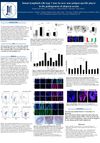
Innate lymphoid cells type 1 may contribute to alopecia areata by damaging hair follicles.
11 citations
,
October 2021 in “Orphanet journal of rare diseases” Patients with RASopathies are at risk for autoimmune disorders and should be routinely screened.
 11 citations
,
January 2017 in “Oxidative medicine and cellular longevity”
11 citations
,
January 2017 in “Oxidative medicine and cellular longevity” Antroquinonol may help prevent skin depigmentation by suppressing certain immune cells.
5 citations
,
June 2015 in “The Journal of Dermatology” HTLV-1-associated lichenoid dermatitis (HALD) is linked to an immune response against HTLV-1-infected cells.
2 citations
,
June 2025 in “Journal of Investigative Dermatology” CD8+ T cells re-expressing CD45RA may predict treatment resistance in severe alopecia areata.
2 citations
,
September 2020 in “International Journal of Molecular Sciences” Removing certain hair follicle stem cells worsens skin reactions to allergens.
2 citations
,
April 2013 in “PubMed” Abnormal T-cells from thymomas cause non-motor symptoms in some myasthenia gravis patients.
1 citations
,
July 2025 in “Journal of Investigative Dermatology” IL-27 may help prevent hair loss by creating immune-suppressing cells.
 1 citations
,
January 2023 in “International Journal of Molecular Sciences”
1 citations
,
January 2023 in “International Journal of Molecular Sciences” Understanding how Regulatory T Cells work could help create treatments for certain skin diseases and cancers.
1 citations
,
August 2016 in “Journal of Investigative Dermatology” Vδ1+ T-cells in the skin contribute to hair loss in alopecia areata and could be targeted for treatment.

γδTregs may help treat autoimmune diseases like alopecia areata by promoting hair regrowth and reducing immune attacks.
 April 2023 in “The journal of investigative dermatology/Journal of investigative dermatology”
 Folliculotropic mycosis fungoides has unique molecular features and cell interactions that could guide targeted therapy.
 November 2022 in “The journal of investigative dermatology/Journal of investigative dermatology”
 Linalool in personal care products may contribute to hair loss by damaging hair follicle stem cells and triggering harmful immune responses.
 March 2021 in “Research Square (Research Square)”
 Patients with RASopathies have a higher risk of autoimmune disorders and should be routinely screened.
September 2019 in “Journal of Investigative Dermatology” Innate lymphoid cells type 1 may contribute to alopecia areata.
April 2019 in “Journal of Investigative Dermatology” Targeting immune pathways like JAK/STAT may help treat frontal fibrosing alopecia.
133 citations
,
March 1999 in “Journal of Cutaneous Pathology” Trichoepitheliomas and some basal cell carcinomas likely come from hair follicle stem cells.