 August 2019 in “Journal of Invertebrate Pathology”
 Thymosin beta 4 protects cells from damage by blocking a harmful microRNA and boosting a protective gene.
November 2024 in “Journal of Investigative Dermatology” Bimekizumab quickly improves psoriasis symptoms and skin at the molecular level.
February 2023 in “PLOS ONE” Caizhixuan hair tonic helps treat hair loss by promoting hair growth and improving hair follicles.
January 2026 in “Medicina” CD34 is absent in most basal cell carcinoma cells but present in surrounding skin.
September 2016 in “Journal of dermatological science” FGF18 helps hair follicles resist radiation by stopping hair growth cycles.
 1 citations
,
February 2015 in “Clinical and Experimental Dermatology”
1 citations
,
February 2015 in “Clinical and Experimental Dermatology” A man got six skin cancers within a year after a cell transplant for leukemia but was cancer-free 32 months later; skin checks are important post-transplant.
30 citations
,
February 2023 in “Journal of Investigative Dermatology” OX40-targeted therapies may help treat skin diseases by reducing inflammation and balancing immune responses.
380 citations
,
March 2000 in “Proceedings of the National Academy of Sciences” Overexpressing GLI-1 in mice skin can cause tumors like human basal cell carcinomas.
57 citations
,
May 1980 in “International Journal of Dermatology” Langerhans cells are crucial for skin immunity and allergic reactions.
1 citations
,
May 2025 in “The Journal of Dermatology” Increased regulatory T cell activity may lead to better outcomes in acute diffuse and total alopecia.
14 citations
,
April 2015 in “Stem Cell Research & Therapy” Granulation tissue-derived cells can aid wound healing and serve as an alternative source of stem cells for tissue repair.
7 citations
,
March 2023 in “Lasers in Surgery and Medicine” Ablative fractional laser treatment nearly matches the gene reduction effects of topical vismodegib in skin cancer.

Tofacitinib effectively regrows hair in alopecia universalis triggered by a virus.
22 citations
,
August 2020 in “Cells” TGM3 is important for skin and hair structure and may help diagnose cancer.
9 citations
,
May 2014 in “Clinical Cosmetic and Investigational Dermatology” Using tazarotene with GliSODin improves facial skin more than tazarotene alone.
 1 citations
,
October 2023 in “Journal of the Pakistan Medical Association”
1 citations
,
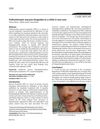
October 2023 in “Journal of the Pakistan Medical Association” Folliculotropic mycosis fungoides can occur in children and is diagnosed with specific tests, but often stays in early stages with treatment.
2 citations
,
February 2025 Merkel cell polyomavirus can infect and persist in skin cells, evading the immune system, but certain treatments can control it.
 23 citations
,
May 2013 in “Virology”
23 citations
,
May 2013 in “Virology” HPV16 oncogenes disrupt the normal activity of hair follicle stem cells.
 November 2022 in “The journal of investigative dermatology/Journal of investigative dermatology”
 Deleting the CD271 gene in mouse skin cells leads to disorganized skin and increased hair growth, suggesting CD271 is important for skin health.
 April 2023 in “The journal of investigative dermatology/Journal of investigative dermatology”
 EGFR deficiency causes significant changes in skin cells and hair follicles.
 6 citations
,
November 2022 in “Journal of autoimmunity”
6 citations
,
November 2022 in “Journal of autoimmunity” JAK inhibitors like tofacitinib may effectively treat Alopecia Areata.
January 2014 in “Repository KITopen (Karlsruhe Institute of Technology)” Autoimmune diseases need combined therapy of tolerance induction and immunosuppression.
 1 citations
,
January 2023 in “The FASEB Journal”
1 citations
,
January 2023 in “The FASEB Journal” CircAGK affects cell death in hair cells by controlling the miR-3180-5p/BAX pathway, which can lead to hair loss.
 April 2023 in “Journal of Investigative Dermatology”
 MPZL3 protein helps control the size of oil glands and the growth of oil-producing cells in both mice and humans.
 December 2024 in “Stem Cell Research & Therapy”
 ZO-1 helps hair follicle stem cells renew better by changing their structure.
 October 2025 in “Clinical Cosmetic and Investigational Dermatology”
 Targeting specific cell interactions may help treat skin fibrosis.
 2 citations
,
October 2018 in “Archives of Dermatological Research”
2 citations
,
October 2018 in “Archives of Dermatological Research” Tofacitinib helps mice grow more hair by increasing noggin and BMP4 levels, possibly better than minoxidil.
1 citations
,
August 2015 in “Experimental Dermatology” KIT's role in skin cells is not entirely independent, as other cells can influence its function.
11 citations
,
November 2015 in “Carcinogenesis” Deleting TNFα gene reduces skin cancer risk in certain mice.
34 citations
,
January 2023 in “Therapeutic Advances in Medical Oncology” Sacituzumab govitecan is effective but has side effects like hair loss and diarrhea in treating metastatic triple-negative breast cancer.