 March 2024 in “International Journal of Cosmetic Science”
 Dandruff is linked to increased T cells and weakened immune protection in hair follicles.
 April 2023 in “Journal of Investigative Dermatology”
 Higher PD-1 levels are linked to fewer immune cells in hair follicles in alopecia areata.
 October 2023 in “Regular and Young Investigator Award Abstracts”
 Baricitinib treatment helped reduce hair loss symptoms in mice by decreasing inflammation-related immune cells.
Different types of sun exposure damage skin cells and immune cells, with chronic exposure leading to more severe and lasting damage.
 9 citations
,
February 2022 in “Nature communications”
9 citations
,
February 2022 in “Nature communications” Rare changes in the KRT82 gene are linked to a higher risk of Alopecia Areata.
 1 citations
,
January 2017 in “Springer eBooks”
1 citations
,
January 2017 in “Springer eBooks” Understanding the immune-related causes of Alopecia Areata has led to potential treatments like JAK inhibitors.
 January 2025 in “Clinical Cosmetic and Investigational Dermatology”
 Pediatric alopecia areata is more immune-active than adult cases, suggesting age-specific treatments and potential use of JAK inhibitors.
 February 2025 in “PubMed”
 CS12192 effectively treats alopecia areata with better safety than current options.
 5 citations
,
June 2019 in “British Journal of Dermatology”
5 citations
,
June 2019 in “British Journal of Dermatology” Tofacitinib was more effective than apremilast in treating hair loss in a mouse model of alopecia areata.
 July 2025 in “Journal of Investigative Dermatology”
 Immune system changes may contribute to female pattern hair loss.
 March 2023 in “Research Square (Research Square)”
 Immune changes and specific genes contribute to male hair loss.
 June 2023 in “Research Square (Research Square)”
 Different immune responses cause hair loss in scalp diseases, with unique patterns in scalp psoriasis possibly protecting against hair loss.
July 2025 in “Journal of Investigative Dermatology” Discoid lupus erythematosus involves immune activation and fibrosis around hair follicles, with shared pathways across humans, dogs, and mice, suggesting potential treatments for both humans and animals.
4 citations
,
June 2024 in “British Journal of Dermatology” EGFRi/MEKi treatments cause hair follicles to lose some immune protection, leading to inflammation.
 August 2024 in “International Journal of Molecular Sciences”
 Androgenetic alopecia involves immune cell disruptions, especially increased CD4+ T cells around hair follicles.
 May 2025 in “Journal of Inflammation Research”
 Natural killer and CD8+ T cells play a key role in hair loss in androgenetic alopecia.
69 citations
,
February 2008 in “The American journal of pathology” Controlled delivery of specific RNA and IL-4 restored hair growth in mice with autoimmune alopecia.
 4 citations
,
January 2011 in “Journal of UOEH”
4 citations
,
January 2011 in “Journal of UOEH” Autoimmune hair loss may be linked to increased Th1 and Th17 cells and decreased Th2 cells.
March 2024 in “International journal of molecular sciences” taVNS reduces vitiligo symptoms in mice.
November 2022 in “Journal of Investigative Dermatology” ILC1-like cells can cause alopecia areata by themselves.
 5 citations
,
September 1989 in “Journal of The American Academy of Dermatology”
5 citations
,
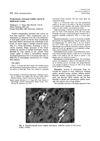
September 1989 in “Journal of The American Academy of Dermatology” Talc in street cocaine can cause immune-reactive skin nodules where injected.

γδTregs may help treat autoimmune diseases like alopecia areata by promoting hair regrowth and reducing immune attacks.
 February 2024 in “Skin research and technology”
 The research suggests that immune cells and a specific type of cell death called ferroptosis are involved in Frontal fibrosis alopecia.
 11 citations
,
January 2017 in “Oxidative medicine and cellular longevity”
11 citations
,
January 2017 in “Oxidative medicine and cellular longevity” Antroquinonol may help prevent skin depigmentation by suppressing certain immune cells.
 18 citations
,
January 2017 in “Annals of dermatology/Annals of Dermatology”
18 citations
,
January 2017 in “Annals of dermatology/Annals of Dermatology” Certain immune cells contribute to severe hair loss in chronic alopecia areata, with Th17 cells possibly having a bigger impact than cytotoxic T cells.
23 citations
,
July 2023 in “Proceedings of the National Academy of Sciences” CD8+ T cells drive alopecia areata, while regulatory T cells are protective.
November 2025 in “The Journal of Immunology” The S1PR 1&4 modulator may effectively treat alopecia areata by reducing hair loss and immune cell activity.
1 citations
,
June 2021 in “bioRxiv (Cold Spring Harbor Laboratory)” UV exposure harms skin by causing fibroblast loss, but T cells help fibroblast survival.
April 2019 in “Journal of Investigative Dermatology” Targeting immune pathways like JAK/STAT may help treat frontal fibrosing alopecia.
 November 2022 in “The journal of investigative dermatology/Journal of investigative dermatology”
 New imaging technology can show up to 40 different markers in hair loss tissue, helping to understand hair disease better.