29 citations
,
February 2001 in “Proceedings of the National Academy of Sciences” A specific DNA region controls skin cell gene expression by working with certain proteins.
 April 2018 in “Journal of Investigative Dermatology”
 CENPV, a new partner of CYLD, helps regulate ciliary acetylated tubulin and is overexpressed in certain skin tumors.
December 2024 in “European journal of medical research”  14 citations
,
May 2019 in “Human gene therapy”
14 citations
,
May 2019 in “Human gene therapy” MC-DNA vector-based gene therapy can temporarily treat CBS deficiency in mice.
 2 citations
,
July 2015 in “Archives of Dermatological Research”
2 citations
,
July 2015 in “Archives of Dermatological Research” A new gene variant in the DSP gene is linked to a unique type of hair loss.
14 citations
,
March 2018 in “The American journal of case reports” People with the same genetic mutation for Woodhouse-Sakati syndrome can have different symptoms.
 January 2016 in “Human & Experimental Toxicology”
 A specific DNA sequence caused hair loss in male mice by activating immune cells and increasing a certain immune signal.
 165 citations
,
September 2001 in “Genes & development”
165 citations
,
September 2001 in “Genes & development” CDP is crucial for lung and hair follicle cell development.
2 citations
,
August 2022 in “World Journal of Clinical Cases” Albumin and prednisone improved symptoms in a woman with Cronkhite-Canada syndrome, revealing potential genetic causes.
July 2024 in “Journal of Investigative Dermatology” A new test helps find drugs to treat head and neck cancer by targeting c-Rel.
 1 citations
,
March 2023 in “Frontiers in Cardiovascular Medicine”
1 citations
,
March 2023 in “Frontiers in Cardiovascular Medicine” A specific gene variant is linked to heart disease, increased heart muscle, curly hair, and thick skin on palms and soles.
 May 2024 in “British journal of dermatology/British journal of dermatology, Supplement”
 CYLD deficiency in skin tumors disrupts hair follicle cell processes and protein secretion.
March 2022 in “Clinical Cosmetic and Investigational Dermatology” CDKN2AIP gene is less active in nevus sebaceous, affecting related RNA networks.
August 2024 in “American Journal of Medical Genetics Part A” Variants in the CCDC47 gene are linked to trichohepatoneurodevelopmental syndrome.
39 citations
,
September 2018 in “American Journal of Medical Genetics Part A” A new genetic mutation in the ODC1 gene causes developmental delay and other symptoms in a young girl.

Understanding genetics is crucial for treating heart and skin diseases.
 28 citations
,
November 2018 in “Journal of Cellular and Molecular Medicine”
28 citations
,
November 2018 in “Journal of Cellular and Molecular Medicine” CXXC5 is a protein that controls cell growth and healing processes, and changes in its activity can lead to diseases like cancer and hair loss.
29 citations
,
December 2004 in “Developmental biology” cDermo-1 causes dense skin, feathers, and scales in chickens.
13 citations
,
February 2012 in “International Journal of Dermatology” A new genetic mutation in the CDH3 gene causes hair loss and eye problems in young people.
 January 2022 in “bioRxiv (Cold Spring Harbor Laboratory)”
 Skin lesions in Carney complex are likely caused by a specific group of skin cells that promote pigment production due to a genetic mutation.
 April 2019 in “The journal of investigative dermatology/Journal of investigative dermatology”
 848 genes related to fat and metabolism are less active in people with Central Centrifugal Cicatricial Alopecia.
 May 2024 in “Animal genetics”
 A cat's poor wound healing was linked to a genetic deletion in the COL5A1 gene.
87 citations
,
March 2007 in “Biological Chemistry” Deleting the scd1 gene in mice prevents obesity by disrupting skin lipids and improving heat regulation.
45 citations
,
March 1997 in “Journal of Investigative Dermatology” 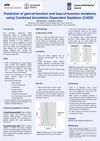 1 citations
,
September 2017
1 citations
,
September 2017 C-scores can help predict gain-of-function and loss-of-function mutations.
2 citations
,
September 2024 in “Asian Journal of Andrology” New SRD5A2 variants may disrupt protein function, aiding diagnosis and treatment of related disorders.
22 citations
,
September 2003 in “Journal of Investigative Dermatology” New mutations in the EBP gene cause CDPX2, affecting bones, skin, eyes, and hair, with females generally less affected than males.
 January 2023 in “Indian dermatology online journal”
 A child with ectodermal dysplasia-syndactyly syndrome has a new mutation in the NECTIN4 gene.
 7 citations
,
January 2015 in “Case reports in genetics”
7 citations
,
January 2015 in “Case reports in genetics” Using SNP array testing helped quickly find the gene causing Woodhouse-Sakati syndrome in two related individuals.
11 citations
,
November 2011 in “The Journal of Dermatology” Connexin-26 gene mutations may increase cancer risk in KID syndrome patients.