April 2012 in “Cancer Research” Stat3 influences keratinocyte stem cell behavior, affecting differentiation and migration.
 80 citations
,
May 2011 in “Nature Cell Biology”
80 citations
,
May 2011 in “Nature Cell Biology” New methods have greatly improved our understanding of stem cell behavior and roles in the body.
 42 citations
,
October 2011 in “Seminars in Cell & Developmental Biology”
42 citations
,
October 2011 in “Seminars in Cell & Developmental Biology” Eph/ephrin signaling is important for skin cell behavior and could be targeted to treat skin diseases.
July 2016 in “Cancer research” Mutant cells in hair follicles are influenced by their location and interactions with surrounding cells.
 11 citations
,
July 2016 in “Current Opinion in Cell Biology”
11 citations
,
July 2016 in “Current Opinion in Cell Biology” New techniques have enhanced our understanding of how stem cells function and the role of mutations in aging tissues, which may influence future cancer therapies.
10 citations
,
April 2008 Chitin nanofibrils can improve skin health and help deliver active ingredients into the skin.
 6 citations
,
January 2016 in “Journal of Stem Cell Research & Therapy”
6 citations
,
January 2016 in “Journal of Stem Cell Research & Therapy” Notch1 signaling is crucial for improving wound healing and skin regeneration by affecting stem cell behavior.
 8 citations
,
January 2016 in “Journal of fiber science and technology”
8 citations
,
January 2016 in “Journal of fiber science and technology” Bleaching hair increases cysteic acid levels in a predictable way.
 375 citations
,
February 2006 in “Journal of Cell Science”
375 citations
,
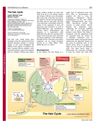
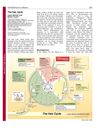
February 2006 in “Journal of Cell Science” The document concludes that the hair cycle is a complex process involving growth, regression, and rest phases, regulated by various molecular signals.
 103 citations
,
January 2006 in “Journal of Cell Science”
103 citations
,
January 2006 in “Journal of Cell Science” The document concludes that the hair cycle is a complex process involving growth, regression, and rest phases, regulated by various molecular signals.
 57 citations
,
January 2014 in “Cold Spring Harbor Perspectives in Medicine”
57 citations
,
January 2014 in “Cold Spring Harbor Perspectives in Medicine” Skin stem cells maintain and repair the outer layer of skin, with some types being essential for healing wounds.
 56 citations
,
June 2015 in “Nature Protocols”
56 citations
,
June 2015 in “Nature Protocols” Two-photon microscopy helps observe hair follicle stem cell behaviors in mice.
31 citations
,
January 1987 in “Dermatology” Minoxidil helps hair regrowth in severe alopecia areata by changing immune cell behavior.
30 citations
,
January 2005 in “Elsevier eBooks” Vitamin D affects skin and hair by influencing cell behavior and melanin production.
14 citations
,
November 2024 in “International Journal of Molecular Sciences” YAP and TAZ proteins control skin cell growth and repair.
10 citations
,
March 2022 in “Frontiers in Oncology” HOTTIP and miR-10b contribute to glioma therapy resistance by affecting cell behavior, suggesting they could be targets for treatment.
 10 citations
,
June 2016 in “Wound Repair and Regeneration”
10 citations
,
June 2016 in “Wound Repair and Regeneration” The microenvironment, especially mechanical forces, plays a crucial role in hair growth and could lead to new treatments for hair loss.
9 citations
,
February 2025 in “Journal of Nanobiotechnology” Biomimetic nanovesicles can speed up diabetic wound healing by regulating immune cell behavior and metabolism.
 4 citations
,
January 2013 in “Advances in Experimental Medicine and Biology”
4 citations
,
January 2013 in “Advances in Experimental Medicine and Biology” Certain transcription factors are key in controlling skin stem cell behavior and could impact future treatments for skin repair and hair loss.
 January 2025 in “PLoS ONE”
 Elf5 controls skin cell growth and development, making it a potential target for skin treatments.
 August 2024 in “Cell Death and Disease”
 Activating TLR9 helps heal wounds and regrow hair by using specific immune cells.
 July 2024 in “Journal of Investigative Dermatology”
 Losing both ERBB2 and ERBB3 receptors in mice causes significant skin problems and inflammation.
January 2012 in “DigtalCommons @ Texas Medical Center Library (Texas Medical Center)” Stat3 affects skin cancer development by altering keratinocyte stem cell behavior.

Ovol2 is crucial for hair growth and skin healing by controlling cell movement and growth.

research ACNE
58 citations
,
January 1997 in “Dermatologic Clinics” Acne significantly affects mental health and quality of life, with research suggesting hormonal and genetic factors in its development and emphasizing early treatment to prevent scarring.
 27 citations
,
July 1990 in “International Journal of Dermatology”
27 citations
,
July 1990 in “International Journal of Dermatology” A pulsed electrical field safely and effectively increased hair growth.
 25 citations
,
April 2021 in “npj Regenerative Medicine”
25 citations
,
April 2021 in “npj Regenerative Medicine” Mathematical modeling can improve regenerative medicine by predicting biological processes and optimizing therapy development.
 19 citations
,
January 2009 in “International review of cell and molecular biology”
19 citations
,
January 2009 in “International review of cell and molecular biology” Hair's strength and flexibility come from its protein structure and molecular interactions.
19 citations
,
October 2007 in “Wound Repair and Regeneration” Epidermal stem cells maintain skin health through specific niches and signaling pathways.
11 citations
,
June 2017 in “Mathematical Medicine and Biology A Journal of the IMA” The model helps understand and improve treatments for alopecia areata by simulating hair growth and immune cell interactions.