44 citations
,
April 2021 in “Frontiers in Cell and Developmental Biology” MSC-derived exosomes may help in skin repair and regeneration.
107 citations
,
April 2014 in “The Plant cell” The CAP1 gene helps control ammonium levels and is necessary for the proper growth of root hairs in Arabidopsis.
 6 citations
,
February 2021 in “Frontiers in Cell and Developmental Biology”
6 citations
,
February 2021 in “Frontiers in Cell and Developmental Biology” Eating too much or too little vitamin A can cause hair loss.
 August 2004 in “Journal of the American College of Surgeons”
 Several genes, including Hox-7A, Stra6, and Lim-1, are involved in normal palate formation.
33 citations
,
July 2007 in “Journal of cell science” Miz1 is essential for proper hair structure and growth.
247 citations
,
June 2021 in “Frontiers in Cell and Developmental Biology” LncRNA Xist is crucial for X-chromosome inactivation and may be a target for treating diseases like cancer and heart issues.
87 citations
,
July 2009 in “Journal of Cell Science” Deleting the CDSN gene causes severe skin and hair problems, leading to death.
 67 citations
,
August 2007 in “American Journal of Pathology”
67 citations
,
August 2007 in “American Journal of Pathology” Overexpressing the mineralocorticoid receptor in mouse skin causes skin thinning, early skin barrier development, eye issues, and hair loss.
56 citations
,
March 2017 in “Plant and Cell Physiology” Light sheet fluorescence microscopy effectively measures calcium changes in Arabidopsis root hairs.
 8 citations
,
January 2017 in “Methods in molecular biology”
8 citations
,
January 2017 in “Methods in molecular biology” Stem cells rearrangement regenerates functional hair follicles, potentially treating hair loss.
 April 2018 in “Journal of Investigative Dermatology”
 Stabilizing HIF1A in hair follicles increases glycolysis, which may help reduce oxidative stress and support hair growth.
 April 2018 in “Journal of Investigative Dermatology”
 Glycogen metabolism is important for energy and processes in human hair follicles, and hair follicles may produce glucose from lactate.
 10 citations
,
January 1985 in “Elsevier eBooks”
10 citations
,
January 1985 in “Elsevier eBooks” Active oxygen species might be involved in skin tumor growth, but their exact role is unclear.
 28 citations
,
October 2013 in “Cornea”
28 citations
,
October 2013 in “Cornea” Scientists have made progress in creating replacement teeth, hair, and glands that work, which could lead to new treatments for missing teeth, baldness, and dryness conditions.
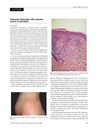 9 citations
,
July 2002 in “Journal of the European Academy of Dermatology and Venereology”
9 citations
,
July 2002 in “Journal of the European Academy of Dermatology and Venereology” The document concludes that fexofenadine reduces inflammation in chronic hives, cholestyramine helps half of pregnant women with itchy rashes, and relaxing incisions are a good alternative in facial surgery for the elderly.
 73 citations
,
March 2017 in “Scientific Reports”
73 citations
,
March 2017 in “Scientific Reports” Bioengineered tooth germ can restore whole teeth in dogs.
 October 2007 in “Journal of Investigative Dermatology”
 The document suggests a bacteria plays a significant role in acne rosacea and that white hair can regain color after transplant, meriting more research on reversing grey hair.
 4 citations
,
November 2006 in “Dermatologic Surgery”
4 citations
,
November 2006 in “Dermatologic Surgery” Transplanted transected hair follicles can survive but grow at unsatisfactory rates and are thinner, suggesting limited potential for unlimited donor hair supply.
 November 2006 in “Dermatologic Surgery”
 Cutting hair follicles into pieces for transplantation results in poor growth and thinner hair, and the technique is more invasive than previously thought.
 721 citations
,
October 2011 in “Nature”
721 citations
,
October 2011 in “Nature” Different types of long-lasting stem cells are responsible for the growth and upkeep of the mammary gland.
 101 citations
,
January 1997 in “Journal of Investigative Dermatology Symposium Proceedings”
101 citations
,
January 1997 in “Journal of Investigative Dermatology Symposium Proceedings” Nerves and chemicals in the body can affect hair growth and loss.
 61 citations
,
November 2004 in “Annals of the Academy of Medicine Singapore”
61 citations
,
November 2004 in “Annals of the Academy of Medicine Singapore” Hair follicle stem cells are mainly in the bulge region and can help repair skin and form hair and glands, but more research is needed to fully understand them.
 39 citations
,
June 2017 in “Journal of Applied Research on Medicinal and Aromatic Plants”
39 citations
,
June 2017 in “Journal of Applied Research on Medicinal and Aromatic Plants” Plant-based ingredients are effective and safe for modern skincare products.
 4 citations
,
April 2021 in “Experimental Dermatology”
4 citations
,
April 2021 in “Experimental Dermatology” Antibiotics might affect hair growth by changing the bacteria in hair follicles.
 April 2024 in “Frontiers in cellular and infection microbiology”
 Blue light might help treat skin conditions by affecting the skin's bacteria.
 April 2017 in “Journal of Investigative Dermatology”
 Certain microRNAs may protect against hair loss in alopecia areata and could be potential treatment targets.
 29 citations
,
December 2019 in “Stem Cells Translational Medicine”
29 citations
,
December 2019 in “Stem Cells Translational Medicine” Fully regenerating human hair follicles not yet achieved.
 54 citations
,
December 2007 in “Best Practice & Research Clinical Endocrinology & Metabolism”
54 citations
,
December 2007 in “Best Practice & Research Clinical Endocrinology & Metabolism” Targeting glucocorticoid action might help treat type-2 diabetes, but human trials are needed.
 30 citations
,
May 2018 in “Experimental Dermatology”
30 citations
,
May 2018 in “Experimental Dermatology” The conclusion is that future hair loss treatments should target the root causes of hair thinning, not just promote hair growth.
 3 citations
,
September 1980 in “Experientia”
3 citations
,
September 1980 in “Experientia” Dobutamine does not mimic dopamine at therapeutic doses but may at very high concentrations; microfilaments, not microtubules, are important for wound healing in Xenopus embryos.