 64 citations
,
July 2016 in “Cold Spring Harbor Perspectives in Medicine”
64 citations
,
July 2016 in “Cold Spring Harbor Perspectives in Medicine” The p53 protein has complex, sometimes contradictory functions, including tumor suppression and promoting cell survival.
 13 citations
,
March 2017 in “Genomics”
13 citations
,
March 2017 in “Genomics” Genomic approach finds new possible treatments for hair loss.
 April 2018 in “Journal of Investigative Dermatology”
 Researchers found a substance in chicken egg yolk that helps hair grow.
 April 2018 in “Journal of Investigative Dermatology”
 Light can activate hair growth through a pathway from the eyes to hair follicles.
 36 citations
,
September 2013 in “PLoS ONE”
36 citations
,
September 2013 in “PLoS ONE” Sweat gland stem cells help maintain glands, aid wound healing, and can regenerate skin structures.
 316 citations
,
June 2004 in “The journal of investigative dermatology/Journal of investigative dermatology”
316 citations
,
June 2004 in “The journal of investigative dermatology/Journal of investigative dermatology” Microspheres about 1.5 micrometers in size can best penetrate hair follicles, potentially reaching important stem cells.
 91 citations
,
July 2010 in “Tissue Engineering Part A”
91 citations
,
July 2010 in “Tissue Engineering Part A” Low-oxygen conditions and ECM degradation products increase the healing abilities of perivascular stem cells.
 29 citations
,
January 2017 in “Journal of Investigative Dermatology”
29 citations
,
January 2017 in “Journal of Investigative Dermatology” The Msi2 protein helps keep hair follicle stem cells inactive, controlling hair growth and regeneration.
19 citations
,
September 2023 in “Journal of Biomedical Science” Photobiomodulation may help heal diabetic wounds, but more research is needed.
 13 citations
,
December 2024 in “Cellular and Molecular Life Sciences”
13 citations
,
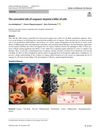
December 2024 in “Cellular and Molecular Life Sciences” Caspases do more than kill cells; they also help in cell growth and disease, and targeting them could lead to new treatments.
 134 citations
,
January 2011 in “Development”
134 citations
,
January 2011 in “Development” Adam10 enzyme is crucial for healthy skin and proper Notch signaling.
 37 citations
,
January 2011 in “Annals of Dermatology”
37 citations
,
January 2011 in “Annals of Dermatology” ALA-photodynamic therapy helps reduce acne by causing acne cell death and lowering certain skin protein levels.
36 citations
,
October 2015 in “Cell reports” Gab1 protein is crucial for hair growth and stem cell renewal, and Mapk signaling helps maintain these processes.
35 citations
,
July 2022 in “Frontiers in Integrative Neuroscience” Formononetin may help protect the brain and treat neurological diseases.
 27 citations
,
July 2013 in “Journal of Dermatological Science”
27 citations
,
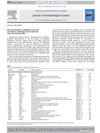
July 2013 in “Journal of Dermatological Science” The conclusion is that androgenetic alopecia and senescent alopecia have unique gene changes, suggesting different causes and potential treatments for these hair loss types.
26 citations
,
September 2012 in “Cell Reports” B-Raf and C-Raf are essential for maintaining melanocyte stem cells to prevent hair graying.
24 citations
,
March 2020 in “Cells” Natural small molecules can help treat diseases by activating or inhibiting the Wnt pathway.
 22 citations
,
June 2013 in “International journal of molecular sciences”
22 citations
,
June 2013 in “International journal of molecular sciences” Stem cell differentiation is crucial for skin barrier maintenance and its disruption can lead to skin diseases.
 21 citations
,
January 2018 in “The Korean Journal of Physiology and Pharmacology”
21 citations
,
January 2018 in “The Korean Journal of Physiology and Pharmacology” Modified stem cells from umbilical cord blood can make hair grow faster.
18 citations
,
February 2017 in “Molecular Medicine Reports” Activating Notch signaling can kill basal cell carcinoma cells.
 16 citations
,
January 2016 in “Annals of Dermatology”
16 citations
,
January 2016 in “Annals of Dermatology” Green tea component EGCG may help prevent hair loss by changing microRNA levels in certain scalp cells.
 12 citations
,
July 2021 in “Scientific Reports”
12 citations
,
July 2021 in “Scientific Reports” Glutamic acid helps increase hair growth in mice.
 11 citations
,
May 2016 in “Naunyn-Schmiedeberg's Archives of Pharmacology”
11 citations
,
May 2016 in “Naunyn-Schmiedeberg's Archives of Pharmacology” A substance called 15-deoxy prostaglandin J2 can cause hair follicle cells to die, which might explain how prostaglandin D2 can lead to hair loss.
9 citations
,
November 2020 in “The FASEB journal” Intermediate filaments are crucial for cell differentiation and stem cell function.
 9 citations
,
November 2018 in “Drug Discovery Today”
9 citations
,
November 2018 in “Drug Discovery Today” Using skin stem cells and certain molecules might lead to scar-free skin healing.
3 citations
,
June 2025 in “Journal of Cellular and Molecular Medicine” CuATSM speeds up wound healing and reduces scarring.
3 citations
,
December 2024 in “Stem Cell Reports” Low fucosylation boosts stem cell growth in the eye.
 3 citations
,
January 2019 in “Advances in stem cells and their niches”
3 citations
,
January 2019 in “Advances in stem cells and their niches” Dermal papilla cells are key for hair growth and color, influencing hair type and size, and their interaction with stem cells could help treat hair loss and color disorders.
2 citations
,
June 2023 in “PeerJ” Chronic inflammation can cause cancer by making stem cells divide and mutate.
 1 citations
,
March 2023 in “bioRxiv (Cold Spring Harbor Laboratory)”
1 citations
,
March 2023 in “bioRxiv (Cold Spring Harbor Laboratory)” NAC1 controls certain enzymes that reduce root hair growth in Arabidopsis.