 January 2025 in “Drug repurposing”
 New drug uses show promise but need more research.
 January 2025 in “New Journal of Chemistry”
 Hollow mesoporous organosilica nanoparticles are promising for biomedical use.
 September 2024 in “Vietnam Journal of Biotechnology”
 Astaxanthin may help protect hair cells from damage and prevent hair loss.
 August 2024 in “Cosmoderma”
 3D-printed hair follicles could revolutionize hair loss treatments by providing unlimited hair grafts.
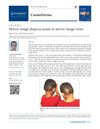
Mirror-image twins can have alopecia areata on opposite sides of their heads.
 March 2024 in “Romanian Medical Journal”
 Inositol shows promise in treating PCOS and other health issues, but more research is needed.
 February 2024 in “Infection and drug resistance”
 Tinea capitis in a child was caused by a fungus from cats, highlighting the need for accurate diagnosis and treatment.
 January 2024 in “Journal of dermatology and skin science”
 Topical aprepitant reduces skin rash and hair loss caused by cancer treatment.
 January 2024 in “Regenerative Biomaterials”
 Dissolvable microneedles with Ginsenoside Rg3 can help treat hair loss by improving drug delivery and stimulating hair growth.
 January 2024 in “International Journal of Pharmacognosy and Pharmaceutical Research”
 Plant molecules like caffeine and ginsenosides can boost hair growth naturally.
 January 2024 in “Regenerative Biomaterials”
 Metal organic frameworks-based scaffolds show promise for tissue repair due to their unique properties.
 December 2023 in “International Journal of Research in Ayurveda and Pharmacy”
 Ayurvedic remedies may boost immunity and balance in cancer treatment but need more research.
 December 2023 in “American Journal of Animal and Veterinary Sciences”
 Immature blackbuck pancreas has underdeveloped goblet cells and similar Langerhans islets in both sexes.
 October 2023 in “International Journal For Multidisciplinary Research”
 Women with PCOS face many health risks, but exercise, a healthy diet, and weight management can help.
 July 2023 in “Research Square (Research Square)”
 Using 120% sodium citrate in blood gives the best platelet recovery and enrichment.

Higher TGF-β signaling may increase skin cancer risk in organ transplant recipients.
 March 2023 in “bioRxiv (Cold Spring Harbor Laboratory)”
 Scientists can now create skin with hair by reprogramming cells in wounds.
 November 2022 in “CARDIOMETRY”
 A group has developed therapies that show promise for treating cancer and various other conditions.
 November 2022 in “Gigascience”
 A specific genetic deletion in goats affects cashmere yield and thickness.
 January 2022 in “Dermatology Review”
 Microneedling with bleomycin effectively treats plantar warts with fewer sessions.
 October 2020 in “Veterinary Dermatology”
 New treatments and diagnostic methods for various animal skin conditions showed promising results.

L-PGDS has specific binding sites for its functions and could help in drug delivery system design.
 September 2018 in “International journal of biosciences”
 Gingivitis may increase a hormone linked to ovarian function in women with a certain ovary condition, and treating gum disease could help manage it.
 September 2018 in “The Medical Journal of Cairo University/The Medical Journal of Cairo University”
 Polarized light therapy helps hair regrowth in alopecia areata patients.
 January 2018 in “Springer eBooks”
 Lasers are less favored for hair transplant surgery but show promise for hair growth in controlled trials.
 January 2018 in “Przegla̧d dermatologiczny”
 The Polish Dermatological Society recommends personalized treatment for cutaneous lupus, including lifestyle changes, medications, and monitoring, with specific drugs for severe cases.
 January 2018 in “International Journal of Advances in Scientific Research and Engineering”
 A new method accurately measures phenolic compounds in Ziziphus Jujuba extract quickly and efficiently.
 November 2016 in “Elsevier eBooks”
 Genetic mutations can affect female sexual development, requiring personalized medical care.
 February 2016 in “Online journal of biological sciences”
 Henna and honey improved burn healing and hair growth in rabbits.
Forensic hair analysis for drugs is now more reliable and accurate.