 2 citations
,
September 2023 in “Curēus”
2 citations
,
September 2023 in “Curēus” Topical spironolactone may help treat ocular graft-versus-host disease with minimal side effects.
26 citations
,
September 2023 in “Journal of Allergy and Clinical Immunology” Regulatory T cells help prevent autoimmunity and have potential for treating autoimmune diseases.
2 citations
,
November 2019 in “International Journal of Dermatology and Venereology” Chronic autoimmune urticaria can be managed with specific therapies and requires improved diagnosis and treatment methods.
January 2026 in “Nutrients” Low vitamin D may increase autoimmune thyroid disease risk, but its treatment effects are unclear.
148 citations
,
September 2003 in “Journal of Investigative Dermatology Symposium Proceedings” Alopecia areata is an autoimmune disorder causing hair loss, linked to specific hair follicle antigens and genetic factors.
October 2025 in “Cosmetics” Genetic insights can lead to personalized treatments for acne, androgenetic alopecia, and alopecia areata.
 15 citations
,
April 2022 in “Immunology”
15 citations
,
April 2022 in “Immunology” Men and women get COVID-19 at similar rates, but men tend to get sicker and have a higher risk of dying, while women usually have stronger immune responses and vaccine reactions.
 January 2025 in “Skin Health and Disease”
 Baricitinib may effectively treat both alopecia areata and immune thrombocytopenia.
9 citations
,
September 2009 in “PubMed” Antigen presenting cells around hair follicles are crucial in SLE-related hair loss.
94 citations
,
December 2018 in “Dentistry Journal” Oral-derived stem cells can effectively regenerate bone and tissues in dental procedures.
 3 citations
,
October 2023 in “Military Medical Research/Military medical research”
3 citations
,
October 2023 in “Military Medical Research/Military medical research” Regulatory T cells help heal skin and grow hair, and their absence can lead to healing issues and hair loss.
44 citations
,
November 2022 in “Frontiers in Immunology” TLR-targeted therapies show promise in cancer treatment by helping destroy tumors.
 1 citations
,
January 2023 in “International Journal of Molecular Sciences”
1 citations
,
January 2023 in “International Journal of Molecular Sciences” Understanding how Regulatory T Cells work could help create treatments for certain skin diseases and cancers.
88 citations
,
August 2019 in “Frontiers in immunology” Tyrosine kinases are important in skin autoimmune diseases and could be targets for new treatments.
 December 2022 in “Dermatology and Therapy”
 Alopecia areata needs more recognition and better treatment access in Latin America to improve patient care and outcomes.
142 citations
,
March 2019 in “Molecules/Molecules online/Molecules annual” Cannabinoids may help treat various skin conditions.
35 citations
,
February 2023 in “Biomolecules” Granzyme B is important in autoimmune skin diseases and could be a new treatment target.
10 citations
,
November 2017 in “Skin Appendage Disorders” Erosive pustular dermatosis in elderly people may be linked to aging immune systems and skin damage.
March 2026 in “Journal for ImmunoTherapy of Cancer” Long-term data and a team approach are needed to manage chronic side effects from cancer treatments.
60 citations
,
November 2023 in “Biology” Aging skin causes inflammation that affects the whole body.
6 citations
,
September 2024 in “Journal of Clinical Medicine” Thyroid and skin autoimmune diseases share genetic and immune links, affecting both tissues.
March 2024 in “Current issues in molecular biology” Personalized medicine in dermatology uses molecular biomarkers to improve diagnosis and treatment but needs further advancements for practical use.
77 citations
,
June 2002 in “Journal of Investigative Dermatology” CD44 variant changes start alopecia areata, but don't maintain it.
63 citations
,
September 2020 in “Frontiers in Microbiology” Probiotics show promise for health benefits but need more research to understand how they work.
 13 citations
,
September 2019 in “Clinical, Cosmetic and Investigational Dermatology”
13 citations
,
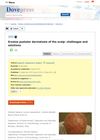
September 2019 in “Clinical, Cosmetic and Investigational Dermatology” Early treatment of EPDS can improve outcomes and reduce recurrence risk.
12 citations
,
October 2023 in “Journal of Mind and Medical Sciences” A holistic approach combining medical, surgical, and psychological therapies is essential for effectively managing diabetes.
 October 2024 in “Our Dermatology Online”
 Mitochondrial dysfunction links metabolic syndrome and inflammatory skin diseases, suggesting targeted therapies and lifestyle changes.
114 citations
,
August 2002 in “Journal of Investigative Dermatology” Alopecia areata is caused by an immune response, and targeting immune cells might help treat it.
3 citations
,
February 2023 in “Frontiers in Immunology” The IGRA test effectively detects past SARS-CoV-2 exposure, especially using nucleocapsid peptides.
2 citations
,
November 2025 in “Pharmaceutics” Cell-mediated drug delivery systems improve skin disease treatment by using living cells for precise, prolonged, and less toxic therapy.