 23 citations
,
October 2018 in “Expert Opinion on Drug Safety”
23 citations
,
October 2018 in “Expert Opinion on Drug Safety” Consider benefits and risks of new alopecia treatments for safety.
 16 citations
,
November 2015 in “International Journal of Dermatology”
16 citations
,
November 2015 in “International Journal of Dermatology” Alopecia greatly lowers the quality of life for South African Black women, especially affecting their self-image and social interactions.
 5 citations
,
June 2019 in “Dermatopathology”
5 citations
,
June 2019 in “Dermatopathology” Histopathology is not reliable for detecting early fibrosis in traction alopecia or for showing how severe it is.
 4 citations
,
January 2022 in “Drug design, development and therapy”
4 citations
,
January 2022 in “Drug design, development and therapy” Intramuscular corticosteroids are effective and safe for severe alopecia areata, with most patients regrowing hair, but nearly half may relapse.
 3 citations
,
April 2019 in “Journal of Dermatological Treatment”
3 citations
,
April 2019 in “Journal of Dermatological Treatment” Caffeine shows promise for treating some types of hair loss, but more research is needed.
 January 2026 in “International Research Journal of Modernization in Engineering Technology and Science”
 Alopecia areata causes patchy hair loss and is often treated with corticosteroids.
 January 2026 in “Clinical Cosmetic and Investigational Dermatology”
 Early diagnosis and targeted anti-inflammatory treatments can improve outcomes in androgenetic alopecia with perifollicular inflammation and fibrosis.
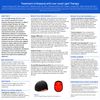 November 2025 in “SKIN The Journal of Cutaneous Medicine”
 Low-level light therapy safely increases hair growth in various types of hair loss.
 November 2023 in “bioRxiv (Cold Spring Harbor Laboratory)”
 Disrupted cholesterol production impairs hair follicle stem cells, leading to hair loss.
Non-invasive methods can effectively diagnose and manage alopecia areata.
 January 2019 in “Georg Thieme Verlag eBooks”
 Platelet-Rich Plasma (PRP) therapy can effectively treat various hair loss conditions, improve hair count, thickness, and density, and potentially speed up results when combined with surgical techniques.
 January 2015 in “Springer eBooks”
 Chronic kidney disease can cause hair loss, which may be related to zinc deficiency or certain medications, and sometimes hair grows back when the underlying issue is treated.
 March 2014 in “Journal of The American Academy of Dermatology”
 Mycophenolic acid may help hair growth, a combination treatment improves hair thickness in male hair loss, and early treatment of frontal fibrosing alopecia is important.
 53 citations
,
June 2017 in “Skin appendage disorders”
53 citations
,
June 2017 in “Skin appendage disorders” PRP treatment helps hair growth in most cases, but more research needed.
 29 citations
,
November 2012 in “Journal of The European Academy of Dermatology and Venereology”
29 citations
,
November 2012 in “Journal of The European Academy of Dermatology and Venereology” Use 5% minoxidil or oral finasteride for mild-to-moderate hair loss, combine with hair transplant for severe cases.
 8 citations
,
January 1996 in “Springer eBooks”
8 citations
,
January 1996 in “Springer eBooks” Male pattern baldness may be caused by factors like poor blood circulation, scalp tension, stress, and hormonal imbalances, but the exact causes are still unclear.
 January 2024 in “Regenerative Biomaterials”
 Dissolvable microneedles with Ginsenoside Rg3 can help treat hair loss by improving drug delivery and stimulating hair growth.

Clinical signs don't match inflammation levels in lichen planopilaris and frontal fibrosing alopecia.

Lichen planopilaris and frontal fibrosing alopecia are likely the same disease with different clinical appearances.
 17 citations
,
March 2021 in “Expert Opinion on Biological Therapy”
17 citations
,
March 2021 in “Expert Opinion on Biological Therapy” Use PRP and ASC-BT for hair loss and wound healing, but more research needed.
 5 citations
,
September 2018 in “Acta histochemica”
5 citations
,
September 2018 in “Acta histochemica” The mTOR pathway proteins are altered in the hair follicles of patients with Lichen Planopilaris and Frontal Fibrosing Alopecia.
 January 2008 in “Springer eBooks”
 Thyroid disease can cause hair loss and treating thyroid problems might help with hair disorders.
 51 citations
,
October 2002 in “British Journal of Dermatology”
51 citations
,
October 2002 in “British Journal of Dermatology” Finasteride increases hair density in female androgenetic alopecia, but individual results may vary.
 12 citations
,
March 2016 in “BBA clinical”
12 citations
,
March 2016 in “BBA clinical” Increased Toll-like receptors in blood cells may contribute to alopecia areata and could be a target for new treatments.
 December 2025 in “Cureus”
 Higher IL-17A and IL-23 levels are linked to alopecia areata severity and could help in tracking and treating the disease.
 30 citations
,
January 2014 in “Annals of Dermatology”
30 citations
,
January 2014 in “Annals of Dermatology” Scalp dermatoscopy helps diagnose and monitor hair loss severity.
 16 citations
,
September 2018 in “Journal of Ethnopharmacology”
16 citations
,
September 2018 in “Journal of Ethnopharmacology” Plant-based remedies may treat hair loss by reducing inflammation and improving insulin resistance.
 15 citations
,
December 2013
15 citations
,
December 2013 Men with more vanadium in their blood and who drink less soy milk are more likely to have hair loss.
 9 citations
,
October 2020 in “Journal of The American Academy of Dermatology”
9 citations
,
October 2020 in “Journal of The American Academy of Dermatology” Low-dose oral minoxidil is an effective and well-tolerated treatment for hair growth in alopecia patients.
 September 2025 in “Dermatology and Therapy”
 Activated PRP effectively increases hair density and reduces hair loss in alopecia.