1 citations
,
March 2000 in “PubMed” A 16-year-old boy's alopecia areata progressed unusually to resemble male pattern baldness.
 2 citations
,
June 2018 in “Journal of the American Academy of Dermatology”
2 citations
,
June 2018 in “Journal of the American Academy of Dermatology” Alopecia areata causes varying hair loss and nail changes, and treatments include topical, systemic, and injectable therapies.
January 2016 in “Indian dermatology online journal” The patient has frontal fibrosing alopecia (FFA).

Aluminum phosphide poisoning can cause horizontal nail grooves and hair loss.
 June 2023 in “Brazilian Journal of Health Review”
 Common baldness is a hereditary condition that can be treated with medications or surgery to prevent progression and improve self-esteem.
 1 citations
,
January 2017 in “Journal of Community & Public Health Nursing”
1 citations
,
January 2017 in “Journal of Community & Public Health Nursing” Wearing a cap doesn't affect quality of life for Indian men with hair loss, but severe hair loss does lower it. Older men have more severe hair loss, and those who wear caps more often want less treatment.
6 citations
,
April 2012 in “Muscle & nerve” Recognizing the link between certain autoimmune disorders and neurological conditions can improve diagnosis and treatment.
 26 citations
,
August 2016 in “Actas Dermo-Sifiliográficas”
26 citations
,
August 2016 in “Actas Dermo-Sifiliográficas” Frontal Fibrosing Alopecia in men is often missed and can come with symptoms like facial bumps and hair loss on eyebrows and limbs.
17 citations
,
June 2024 in “Journal of the European Academy of Dermatology and Venereology” Alopecia areata significantly affects mental health, especially in women and those with severe cases.
 June 2023 in “Asian Journal of Pharmaceutical Research”
 Different types of hair loss require specific treatments, and new treatments are being developed.
Visible lesions are not always needed to diagnose tinea capitis.
1 citations
,
August 2021 in “Журнал здорового питания и диетологии” Alopecia causes significant hair loss, especially in men by age 50.
 2 citations
,
March 2023 in “Skin research and technology”
2 citations
,
March 2023 in “Skin research and technology” Temporal triangular alopecia in infants is mostly seen in males at birth, with unique features that help with diagnosis.
 3 citations
,
June 2023 in “Journal of dermatological treatment”
3 citations
,
June 2023 in “Journal of dermatological treatment” Regrowing scalp hair improves quality of life and reduces anxiety and depression in severe alopecia areata patients.
 2 citations
,
October 2015 in “Primary Care: Clinics in Office Practice”
2 citations
,
October 2015 in “Primary Care: Clinics in Office Practice” Doctors should diagnose hair loss by examining the patient and possibly doing tests, and then treat it based on the type, which may prevent permanent hair loss.
 February 2025 in “American Journal of Biomedical Science & Research”
 A rare combination of hair loss and excessive fine hair growth was found in celiac disease patients.
 2 citations
,
January 2023 in “Annals of Dermatology”
2 citations
,
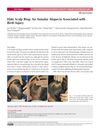
January 2023 in “Annals of Dermatology” A hairless patch on a boy's scalp from birth injury improved with minoxidil treatment.
 2 citations
,
November 2018 in “Clinical and Experimental Dermatology”
2 citations
,
November 2018 in “Clinical and Experimental Dermatology” Acne is more common in men with male pattern baldness due to increased hormone levels.
Androgenetic alopecia may be linked to severe COVID-19.
May 2024 in “JAAD Case Reports” A young man was diagnosed with a rare hair loss condition usually seen in older women.
 June 2023 in “British journal of dermatology/British journal of dermatology, Supplement”
 Congenital alopecia areata may have genetic links and topical corticosteroids are an effective treatment.
 July 2018 in “British Journal of Dermatology”
 Hair regrowth was seen in 83% of children with alopecia, immune system plays a role in the condition, and various treatments showed effectiveness for hair and nail disorders.
November 2021 in “International Journal of Pharma and Bio Sciences” Alopecia causes hair loss, and scarring alopecia leads to permanent hair loss due to inflammation.
 44 citations
,
April 2012 in “American Journal of Clinical Dermatology”
44 citations
,
April 2012 in “American Journal of Clinical Dermatology” Scarring alopecias are complex hair loss disorders that require early treatment to prevent permanent hair loss.
January 2022 in “Clinical Cases in Dermatology” A 22-year-old man has alopecia areata, an autoimmune hair loss condition, with various treatments available.
4 citations
,
March 2009 in “Journal of pain and symptom management” Gabapentin may cause hair loss in patients treated for neuropathic pain.
5 citations
,
March 2013 in “Journal of Cutaneous Pathology” Granulomatous alopecia may be a distinct subtype of alopecia areata.
 176 citations
,
August 2015 in “The journal of allergy and clinical immunology/Journal of allergy and clinical immunology/The journal of allergy and clinical immunology”
176 citations
,
August 2015 in “The journal of allergy and clinical immunology/Journal of allergy and clinical immunology/The journal of allergy and clinical immunology” Alopecia areata involves immune activation in the scalp, suggesting treatments targeting TH1, TH2, and IL-23 pathways.
 1 citations
,
May 2010 in “Nursing Standard”
1 citations
,
May 2010 in “Nursing Standard” Treatments for autoimmune hair loss have limited success and patients need emotional support and self-acceptance.
2 citations
,
December 2023 in “International Journal of Dermatology” A unique type of hair loss mimics another condition but has minimal inflammation and specific immune cells present.