 June 2023 in “British journal of dermatology/British journal of dermatology, Supplement”
 The case suggests that dissecting cellulitis of the scalp can occur in a White child and should be considered when diagnosing pediatric scarring alopecia.

Alopecia is caused by hormones, microorganisms, and immune issues.
 October 2014 in “Cancer Research”
 A new topical treatment may prevent hair loss from cancer therapy by adjusting cell death processes in hair follicles.
 48 citations
,
October 2014 in “International Journal of Cardiology”
48 citations
,
October 2014 in “International Journal of Cardiology” People with alopecia are at higher risk for heart disease and have more heart-related risk factors.
January 2026 in “Egyptian Journal of Dermatology and Venerology” Scalp hair loss significantly worsens life quality for many children, especially as they age.
 January 2010 in “Journal of The American Academy of Dermatology”
 The document provided instructions for completing a CME exam on diagnosing and managing hair loss.
December 2025 in “Zenodo (CERN European Organization for Nuclear Research)” Alopecia areata causes sudden, patchy hair loss due to an immune attack on hair follicles.
January 2024 in “Journal of the American Academy of Dermatology” Gabapentin helps with scalp itch, dutasteride works for frontal fibrosing alopecia, and more research is needed for better PCA treatments.
 January 2022 in “Clinical Cases in Dermatology”
 A 62-year-old woman with hair loss and scalp itching was diagnosed with lichen planopilaris, treated initially with topical corticosteroids, and other possible treatments include systemic steroids, antimalarials, and more.
 April 2012 in “Informa Healthcare eBooks”
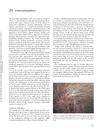
 Lichen planopilaris is a rare, chronic condition causing hair loss, mainly in middle-aged women, and early treatment is important to prevent permanent baldness.
11 citations
,
May 1995 in “PubMed” Hair loss is common and requires proper diagnosis and treatment to address its causes and effects.
 2 citations
,
January 2012 in “Journal of Cutaneous Pathology”
2 citations
,
January 2012 in “Journal of Cutaneous Pathology” The author clarifies that alopecia areata incognito and diffuse alopecia areata are different types of hair loss with unique symptoms and challenges in diagnosis.
 13 citations
,
February 2016 in “Clinical Medicine”
13 citations
,
February 2016 in “Clinical Medicine” The document concludes that diagnosing and treating hair loss is complex and requires understanding its psychological effects and underlying causes, while also calling for more research and new treatments.
June 2025 in “British Journal of Dermatology” MS treatments can cause significant hair loss, affecting mental health.
 August 2024 in “EMJ Dermatology”
 Non-scarring alopecia in females affects emotional well-being and requires accurate diagnosis and personalized treatment.
 45 citations
,
April 2019 in “International Immunology”
45 citations
,
April 2019 in “International Immunology” The study concluded that immune cells attacking hair follicles cause hair loss in alopecia, with genetics and environment also playing a role, and highlighted the potential of certain treatments.
Androgenetic alopecia causes gradual hair thinning due to genetics and hormones, with treatment options including scalp prostheses.
5 citations
,
March 1943 in “Archives of Dermatology and Syphilology” A rare case of severe scalp hair loss and nail issues in keratosis follicularis was observed.
14 citations
,
September 2015 in “PubMed” Alopecia areata can be managed with various treatments, and severe cases should be referred to dermatologists.
 10 citations
,
August 2011 in “Clinics”
10 citations
,
August 2011 in “Clinics” The author clarified that Alopecia Areata Incognita (AAI) and diffuse Alopecia Areata (AA) are different conditions and the case discussed was actually AA, not AAI.
 January 2023 in “Przegla̧d dermatologiczny”
 There are two main types of alopecia areata with different severity, and diagnosis is made through clinical examination and trichoscopy, influencing treatment choices.
 4 citations
,
April 2010 in “Expert review of dermatology”
4 citations
,
April 2010 in “Expert review of dermatology” Restoring immune privilege in hair follicles could help treat certain types of hair loss.
1 citations
,
July 2025 in “Journal of the National Medical Association” Alopecia areata patients often face mental health issues like anxiety and depression.
 May 2024 in “Deleted Journal”
 Cancer treatments can cause hair loss, but it is often reversible and can be managed with scalp cooling and support.
55 citations
,
May 1985 in “Archives of Dermatology” Calcitriol-resistant rickets is an inherited disorder that affects hair growth and causes hair loss.
February 2026 in “Archives of Dermatological Research”  14 citations
,
July 1987 in “Dermatologic Clinics”
14 citations
,
July 1987 in “Dermatologic Clinics” The document concludes that treating female hair loss should target reducing excess androgen and blocking its effects on hair follicles, with the best treatments being hormonal therapy, adrenal suppression, and topical minoxidil.
Early diagnosis and treatment of alopecia in children are crucial for their well-being.
 11 citations
,
May 2010 in “Annals of the Academy of Medicine Singapore”
11 citations
,
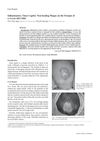
May 2010 in “Annals of the Academy of Medicine Singapore” Tinea capitis can cause scalp issues in children and should be considered in similar cases; treatment with griseofulvin and selenium sulfide is effective.
 January 2023 in “Journal of Cosmetic Dermatology”
 Some children may develop hair loss after having COVID-19.