April 2023 in “Pharmacognosy Magazine” Cerasus serrulata flower extracts can help turn grey hair black again.
March 2026 in “Journal of Investigative Dermatology” Genetic factors, especially PADI3 gene variants, contribute to CCCA in women of African descent.
7 citations
,
July 2016 in “Journal of Biomedical Materials Research Part A” cGEL hydrogel improves melanin production in skin cells, making it a promising option for skin treatments.
 22 citations
,
March 1963 in “Archives of dermatology”
22 citations
,
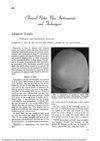
March 1963 in “Archives of dermatology” A woman regrew her hair significantly using a corticosteroid cream with a plastic cover.
March 2023 in “International Journal of Trichology” A man developed temporary hair loss after taking a cancer drug, which might indicate a better treatment response.
November 2016 in “Oncology Letters” Milia may come from the outer part of the hair follicle.
22 citations
,
June 2010 in “Experimental Dermatology” Lower MC2R expression may contribute to alopecia areata.
July 2024 in “Journal of Investigative Dermatology” Hair follicles are crucial for maintaining skin barrier function.
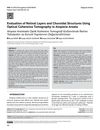 June 2023 in “Medeniyet medical journal”
 People with alopecia areata have similar retinal structures but thicker choroidal regions compared to those without the condition.
 November 2025 in “EXPERIMENTAL ANIMALS”
 Stingless bee propolis may help regenerate hair follicles and improve pigment function in chemotherapy-induced hair loss.
 7 citations
,
December 2011 in “Annals of anatomy”
7 citations
,
December 2011 in “Annals of anatomy” Involucrin helps strengthen the inner parts of human hair.
 34 citations
,
December 1995 in “Pediatric Dermatology”
34 citations
,
December 1995 in “Pediatric Dermatology” Congenital Triangular Alopecia is a rare, non-scarring hair loss that can be surgically treated in females for cosmetic reasons.
 September 2018 in “Journal of the American Academy of Dermatology”
 Elderly patients with CCCA were all African American with low vitamin D, but no iron or zinc deficiencies, and no hormonal imbalances compared to younger patients.
ILC1-like cells can independently cause alopecia areata by affecting hair follicles.
12 citations
,
January 2014 in “Dermatology online journal” White hair regrowth in alopecia areata may be more common than thought.
January 2024 in “International Journal of Trichology” Recognizing perinevoid alopecia and concentric regrowth is important for diagnosing and treating alopecia areata.
1 citations
,
January 2021 in “Dermatologic Therapy” Candida antigen is an effective and promising treatment for alopecia areata.
 February 2024 in “Skin research and technology”
 LC-OCT is a promising tool for diagnosing and monitoring Alopecia areata.
35 citations
,
December 2008 in “PubMed” Trichilemmoma, BCC, and SCC tumors have different stem cell marker expressions.
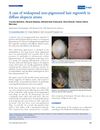 March 2019 in “Our Dermatology Online”
 A woman with severe hair loss regrew mostly white hair after treatment.
 September 2023 in “Journal of The American Academy of Dermatology”
 Baricitinib treatment can help regrow scalp hair and eyebrows or eyelashes in people with severe alopecia areata.
34 citations
,
January 1983 in “Journal of Investigative Dermatology” 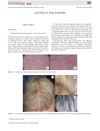 2 citations
,
May 2018 in “Australasian Journal of Dermatology”
2 citations
,
May 2018 in “Australasian Journal of Dermatology” Some patients' hair grew back black and white after chemotherapy.
 54 citations
,
January 2009 in “British Journal of Dermatology”
54 citations
,
January 2009 in “British Journal of Dermatology” Scarring alopecia affects different hair follicle stem cells than nonscarring alopecia, and the infundibular region could be a new treatment target.
24 citations
,
May 2000 in “Journal of the American Academy of Dermatology” Pseudopelade can affect both the scalp and beard, causing hair loss.
116 citations
,
April 1986 in “The journal of cell biology/The Journal of cell biology” Trichohyalin is a protein in hair follicles that helps form hair filaments.
15 citations
,
February 2020 in “Journal of Investigative Dermatology” Ceramide Synthase 4 is crucial for healthy skin barrier function.
 April 2017 in “Journal of Investigative Dermatology”
 Deleting the CRIF1 gene in mice disrupts skin and hair formation, certain proteins affect hair growth, a new compound may improve skin and hair health, blood cell-derived stem cells can create skin-like structures, and hair follicle stem cells come from embryonic cells needing specific signals for development.
 25 citations
,
May 1994 in “Journal of Investigative Dermatology”
25 citations
,
May 1994 in “Journal of Investigative Dermatology” Researchers found a new gene, hacl-1, that is active in mouse hair follicles during hair growth and may be important for hair biology.