 9 citations
,
July 2019 in “Folia Morphologica”
9 citations
,
July 2019 in “Folia Morphologica” Brandt's hedgehog has thick skin on its back and many glands near its nostrils.
 January 2025 in “International Journal of Veterinary Sciences and Animal Husbandry”
 The camel fully recovered from sarcoptic mange after 5 weeks of treatment.
1 citations
,
January 2016 in “Acta histochemica” Black sheep have higher levels of Gnαs and Gnα11 proteins, which may affect their coat color.
14 citations
,
August 2013 in “Journal of Parasitology” Mite infestations severely harm the health of endangered Amargosa voles.
3 citations
,
June 2001 in “Journal of Zoo and Wildlife Medicine” The lemur's testicular tumor was removed, improving its coat and behavior, with no signs of cancer spread.
 October 2023 in “Al-Kauniyah”
 Gibbons at Tegal Alur Animal Rescue Center need better feed management to improve their health and weight.
November 2025 in “OPAL (Open@LaTrobe) (La Trobe University)” DAB labeling effectively identifies collagen type III and PDGFR in horse skin, but may show false positives.
 2 citations
,
July 2017 in “Deleted Journal”
2 citations
,
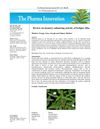
July 2017 in “Deleted Journal” Eclipta alba may improve memory.
 1 citations
,
January 2021 in “Pakistan journal of zoology”
1 citations
,
January 2021 in “Pakistan journal of zoology” Red fox, golden jackal, and gray wolf hairs have similar features but differ in length, thickness, and inner structure.
33 citations
,
October 2014 in “Veterinary Dermatology” Epidermolysis bullosa is a genetic disease causing fragile skin and blisters in both animals and humans.
29 citations
,
January 2021 in “G3 Genes Genomes Genetics” A 195 bp duplication in the HOXC10 gene causes crests in domestic chickens.
9 citations
,
April 2018 in “Canadian Journal of Animal Science” LEF-1 boosts cell growth in goat hair follicles, aiding cashmere production.
 1 citations
,
November 2023 in “Indian Journal of Science and Technology”
1 citations
,
November 2023 in “Indian Journal of Science and Technology” Eclipta alba may improve memory and help treat Alzheimer's disease.
 January 2022 in “Kafkas Universitesi Veteriner Fakultesi Dergisi”
 The research improved understanding of twin births and fertility in Tibetan sheep, helping animal farming.
9 citations
,
April 1985 in “Canadian Journal of Zoology” Moose have unique interdigital glands with green hairs and larger glands during mating season.
1 citations
,
October 2020 in “Research Square (Research Square)” A genetic variant in goats is linked to cashmere growth.
55 citations
,
December 2021 in “BMC Veterinary Research” Certain genes in Iranian sheep are linked to wool production and heat adaptation.
January 2024 in “Animals” Circular RNA ERCC6 helps activate stem cells important for cashmere goat hair growth by interacting with specific molecules in an m6A modification-dependent way.
15 citations
,
July 2004 in “Journal of Wildlife Diseases” Ivermectin effectively treats hair loss syndrome in black-tailed deer.
 75 citations
,
January 1995 in “American journal of primatology”
75 citations
,
January 1995 in “American journal of primatology” Vervet monkeys show physical changes like hair loss and scrotal color changes due to stress or nutrition issues.
Equisetum debile extract may help with hair loss by inhibiting enzymes and reducing inflammation.
 October 2021 in “VITEK Bidang Kedokteran Hewan”
 The goat had enteritis and was treated with fluids, vitamins, antibiotics, and deworming medication.
1 citations
,
October 2020 in “International Journal of Zoology and Animal Biology” A golden lion tamarin had Cushing's disease due to a pituitary tumor, leading to its euthanasia.
 December 2014 in “Bangladesh Journal of Veterinary Medicine”
 Ectoparasites cause skin issues in Egyptian lesser blind mole rats, affecting their population.
 11 citations
,
February 1989 in “Journal of veterinary medicine. Series A”
11 citations
,
February 1989 in “Journal of veterinary medicine. Series A” Crossbreeding certain European cattle breeds may cause hair and physical issues in cattle.
 2 citations
,
August 2022 in “BMC veterinary research”
2 citations
,
August 2022 in “BMC veterinary research” Hair follicle stem cells from Arbas Cashmere goats can become fat, nerve, and liver cells.
 6 citations
,
April 2022 in “Frontiers in cell and developmental biology”
6 citations
,
April 2022 in “Frontiers in cell and developmental biology” The research identified key proteins and genes that may influence wool bending in goats.
48 citations
,
April 1995 in “PubMed” Testosterone helps beard and axillary hair cells grow by releasing growth factors from dermal papilla cells.
22 citations
,
December 1991 in “PubMed” 6 citations
,
January 2018 in “Advances in experimental medicine and biology”