June 2017 in “DOAJ (DOAJ: Directory of Open Access Journals)” Combining finasteride with dimethyl-β-cyclodextrin improves its absorption and bioavailability.
 46 citations
,
January 2015 in “Journal of The American Academy of Dermatology”
46 citations
,
January 2015 in “Journal of The American Academy of Dermatology” Trichoscopy helps diagnose and assess the severity of Frontal Fibrosing Alopecia.
May 2025 in “Skin Appendage Disorders” Frontal fibrosing alopecia can be diagnosed by examining facial areas and treated with specific medications to stop its progression.
 6 citations
,
January 2017 in “British Journal of Dermatology”
6 citations
,
January 2017 in “British Journal of Dermatology” Frontal fibrosing alopecia is a scarring hair loss condition mainly affecting older women, with no known cause and treatments that may help stabilize hair loss.
 4 citations
,
May 2021 in “Biomedicines”
4 citations
,
May 2021 in “Biomedicines” Targeting the protein Caveolin-1 might help treat a type of scarring hair loss called Frontal Fibrosing Alopecia.
November 2025 in “Cancer Cell International” Cancer-associated fibroblasts promote tumor growth in skin cancer.
2 citations
,
June 2021 in “Sultan Qaboos University medical journal” Familial frontal fibrosing alopecia is rare, mostly affects women, and often occurs between sisters or mother-daughter pairs.
May 2022 in “Journal of Cosmetic Dermatology” CGF treatment effectively and safely improves hair loss in androgenic alopecia patients.
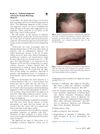
September 2023 in “Journal of the American Academy of Dermatology” Current guidelines may overlook beard and sideburn involvement in diagnosing frontal fibrosing alopecia in men.
 8 citations
,
December 2017 in “Journal of The American Academy of Dermatology”
8 citations
,
December 2017 in “Journal of The American Academy of Dermatology” The authors updated the criteria for diagnosing frontal fibrosing alopecia, making it easier to diagnose without a biopsy.
54 citations
,
November 2007 in “Actas Dermo-Sifiliográficas” Early diagnosis of frontal fibrosing alopecia is crucial to prevent permanent hair loss.
 68 citations
,
May 2016 in “Experimental dermatology”
68 citations
,
May 2016 in “Experimental dermatology” FFA's causes may include environmental triggers and genetic factors.
 3 citations
,
April 2022 in “Cutis”
3 citations
,
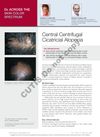
April 2022 in “Cutis” CCCA is a common, scarring hair loss in Black women that needs early detection.
July 2022 in “Journal of Cosmetic Dermatology” Isotretinoin with tacrolimus may be more effective short-term for treating frontal fibrosing alopecia than finasteride with tacrolimus.
1 citations
,
January 2025 in “Reproductive Biology and Endocrinology” Cell-free fat extract may boost IVF success in older women with past failures.
 August 2021 in “Annals of Agricultural and Environmental Medicine”
 The article concludes that understanding Frontal Fibrosing Alopecia (FFA) is crucial for effective treatment, which includes medication like 5α-reductase inhibitors and hydroxychloroquine.
1 citations
,
May 2024 in “Skin Appendage Disorders” Early diagnosis with trichoscopy can improve management and quality of life for CCCA patients.
8 citations
,
August 2023 in “Lasers in Surgery and Medicine” Concurrent laser and isotretinoin treatment improves acne scars more than delayed treatment.
8 citations
,
January 2020 in “Evidence-based Complementary and Alternative Medicine” Cinobufacin with chemotherapy improves treatment response and quality of life in advanced breast cancer patients while reducing some side effects.
4 citations
,
October 2021 in “International Journal of Cosmetic Science” Cirsium japonicum flower extract increases melanin production and could help treat depigmentation conditions.
September 2023 in “Journal of the American Academy of Dermatology” Sunscreen use is linked to frontal fibrosing alopecia, especially in males.
3 citations
,
April 2018 in “Journal of Investigative Dermatology” CCCA may be a fibroproliferative disorder, and anti-fibrotic therapies could help.
The C-CAT tool helps assess and improve treatment for central centrifugal cicatricial alopecia.
 August 2015 in “Dermatología Argentina”
 Frontal fibrosing alopecia causes hairline recession and eyebrow loss in postmenopausal women.
 January 2025 in “Journal of Food Biochemistry”
 2′‐Fucosyllactose reduces hair loss and promotes hair growth in mice.
1 citations
,
May 2024 in “Skin Appendage Disorders” Trichoscopy helps better diagnose and treat Frontal Fibrosing Alopecia in black patients.
 8 citations
,
October 2016 in “Actas Dermo-Sifiliográficas”
8 citations
,
October 2016 in “Actas Dermo-Sifiliográficas” FFA in men, often mistaken for other hair loss types, may be more common than thought and needs larger studies for confirmation.
 33 citations
,
January 2010 in “Case reports in dermatology”
33 citations
,
January 2010 in “Case reports in dermatology” Dermoscopy helps diagnose frontal fibrosing alopecia by distinguishing it from other hair loss conditions.
 April 2019 in “The journal of investigative dermatology/Journal of investigative dermatology”
 Targeting cholesterol, fatty acids, fibrosis, and mast cells may help treat CCCA.
 July 2011 in “Facial Plastic Surgery”
 The document provides a quiz for physicians to earn continuing medical education credits in facial plastic surgery.