December 2021 in “Folia veterinaria” Over half of the dog skin disorders discussed have known gene variants, enabling genetic testing for diagnosis and responsible breeding.
December 2019 in “The American Journal of Gastroenterology” Small bowel lesions in Cronkhite-Canada syndrome persist despite steroid treatment.
144 citations
,
May 1990 in “Journal of the American Academy of Dermatology” 1 citations
,
November 1988 in “Veterinary Record” Folic acid helped a calf regrow hair lost due to deficiency.
 4 citations
,
May 2014 in “Javma-journal of The American Veterinary Medical Association”
4 citations
,
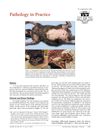
May 2014 in “Javma-journal of The American Veterinary Medical Association” The cat had liver cancer and a related hair loss condition, with a likely cause being bile duct cancer.
1 citations
,
June 2016 in “Medicina” Monilethrix is a genetic disorder causing brittle hair, diagnosed using tricoscopy.
11 citations
,
March 2004 in “Journal of Comparative Pathology” Norfolk Terriers have a genetic skin defect causing scaling and blisters due to a keratin issue.
June 2010 in “Chinese Journal of Dermatology” A new gene mutation is linked to monilethrix in the studied family.
September 2013 in “Helda (University of Helsinki)” Mutations in specific genes cause certain congenital defects in dogs, aiding in understanding similar human diseases.
8 citations
,
January 1984 in “Veterinary Pathology” Toy poodles may develop harmless mineral deposits around hair follicles as they age.
 8 citations
,
February 2005 in “Veterinary dermatology”
8 citations
,
February 2005 in “Veterinary dermatology” Chesapeake Bay retrievers' hair loss is likely a breed-specific, hereditary condition linked to abnormal steroid levels and distinct skin changes.
1 citations
,
July 2017 in “PubMed” Two patients with Cronkhite-Canada syndrome achieved remission after treatment.
185 citations
,
December 2010 in “Archives of Biochemistry and Biophysics” Keratin gene mutations cause various skin and hair disorders, but new research offers hope for future treatments.
 March 2024 in “Indian Journal of Dermatology”
 The man was diagnosed with Cronkhite-Canada syndrome, a rare disorder with GI polyps, skin issues, hair loss, and nail problems.
34 citations
,
December 1984 in “Journal of Cutaneous Pathology” Monilethrix hair issues are due to problems in the hair's internodes.
April 2018 in “Blackwell's Five‐Minute Veterinary Consult Clinical Companion” The document concludes that skin and hair changes in small animals are often due to hormonal imbalances and recommends regular baths and antibiotics for associated infections.
 January 2024 in “The Indian Veterinary Journal”
 A young goat with skin issues improved with medication and supplements.
21 citations
,
March 2003 in “Clinical and Experimental Dermatology” Mutations in the hHb6 gene cause the hair disorder monilethrix.
13 citations
,
March 1997 in “Research in Veterinary Science/Research in veterinary science” Epithelial proliferation and hyperkeratosis are linked to gastric ulcers in pigs.
November 2019 in “BMC veterinary research” The hair loss in Belgian Blue crossbred calves was caused by a diet issue, not by disease or infection.
January 2007 in “Bristol Research (University of Bristol)” Epidermolysis bullosa in UK calves is not caused by mutations in keratin genes.
 May 2015 in “Journal of The American Academy of Dermatology”
 A woman with Parry-Romberg syndrome developed new curly hair on one side of her scalp, a condition not previously linked to the syndrome.
 March 2024 in “Indian Journal of Dermatology/Indian journal of dermatology”
 Using animal names for skin conditions helps with learning and memory.
31 citations
,
March 1963 in “American journal of diseases of children” Acrodermatitis enteropathica is a rare inherited disorder causing skin issues, diarrhea, and hair loss.
 4 citations
,
January 2017 in “Ciência Rural”
4 citations
,
January 2017 in “Ciência Rural” A horse in Brazil with skin and gut issues was diagnosed with a severe disease and had to be euthanized.
14 citations
,
June 1989 in “Journal of dermatology” Three siblings had both Vohwinkel's disease and congenital alopecia, with no effective treatment.
11 citations
,
January 2010 in “Current problems in dermatology” Ichthyoses are genetic skin disorders that affect the skin's barrier function.
3 citations
,
January 2018 Bacterial skin diseases in camelids are often caused by moisture, trauma, and infections.
 January 2014 in “Progress of Digestive Endoscopy”
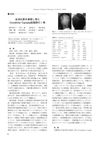
 Prednisolone improved symptoms in a woman with Cronkhite-Canada syndrome, but regular screenings are needed due to cancer risk.
May 2026 in “Journal of International Medical Research” Atrichia with papular lesions causes irreversible hair loss from infancy and is often misdiagnosed.