Search
for
Sort by
Research
360-390 / 1000+ results
research Prevention of Alopecia in Medical and Interventional Chemotherapy Patients
Cold caps and certain drugs may help prevent or reduce hair loss from chemotherapy, but more research is needed.

research Povidone-iodine nail solution is active in treating chemotherapy-associated paronychia
Povidone-iodine nail solution effectively treats nail infections caused by chemotherapy.

research The beneficial effects of chick embryo extract preconditioning on hair follicle stem cells: A promising strategy to generate Schwann cells
Chick embryo extract helps rat hair follicle stem cells potentially turn into Schwann cells, important for the nervous system.
research Hair-specific expression of chloramphenicol acetyltransferase in transgenic mice under the control of an ultra-high-sulfur keratin promoter.
The study showed that a specific DNA sequence can control gene expression in hair growth areas of mice.
research Abstract 5122: A novel topical candidate for chemotherapy and radiotherapy-induced alopecia (CRIA) through local modulation of apoptosis
A new topical treatment may prevent hair loss from cancer therapy by adjusting cell death processes in hair follicles.
research Ultrastructural immunolocalization of involucrin in the medulla and inner root sheath of the human hair
Involucrin helps strengthen the inner parts of human hair.
research New method of dyeing keratin fibers using poly(ethylene imine) and its coloring mechanism
A new method using poly(ethylene imine) improves hair dyeing at lower temperatures with better color retention.
research Identification of Trichohyalin-Like 1, an S100 Fused-Type Protein Selectively Expressed in Hair Follicles
TCHHL1 is a protein important for hair growth, found in hair follicles.
research Cholesterol promotes hair growth through activating sympathetic nerves and enhancing the proliferation of hair follicle stem cells
Cholesterol helps hair grow by activating nerves and boosting hair follicle stem cells.
research Concerted gene duplications in the two keratin gene families
research A Case of Beau’s Lines at Even Intervals and Onycholysis Caused by Chemotherapy
Chemotherapy caused nail grooves and separation, but they healed after treatment stopped.
research The role of CTHRC1 in hair follicle regenerative capacity restored by plantar dermis homogenate
CTHRC1 helps hair grow back, and plantar dermis mixture boosts it.
research 269 Down-regulatory role of cholecystokinin on psoriatic epidermal inflammation
Cholecystokinin may help reduce skin inflammation in psoriasis.
research Enhanced cutaneous wound healing by functional injectable thermo-sensitive chitosan-based hydrogel encapsulated human umbilical cord-mesenchymal stem cells
A new hydrogel with stem cells from human umbilical cords improves skin wound healing and reduces inflammation.
research Therapeutic Potential of Chitosan-Based and Related Nanocomposite Systems in Wound Management: A Review
Chitosan-based nanocomposites, especially with polyphenols, show promise for treating chronic wounds.
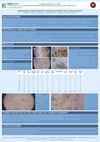
research ORAL TARGETED THERAPY-INDUCED CUTANEOUS TOXICITY: LIFE EXPERIENCE OF PATIENTS WITH ADVANCED LUNG CANCER IN TAIWAN
More research is needed to understand chemotherapy-induced hair loss and its phases.
research Keratin Promotes Differentiation of Keratinocytes Seeded on Collagen/Keratin Hydrogels
Keratin helps skin cells mature when added to a collagen mix, which could be important for skin and hair health.
research CHEMISTRY AND SIGNIFICANCE OF CHEMOPREVENTIVE NUTRACEUTICALS: A REVIEW
Nutraceuticals may help prevent cancer and work best in combination with other compounds.

research Chrousos syndrome: from molecular pathogenesis to therapeutic management
The review suggests thorough evaluation and genetic testing for proper diagnosis and treatment of Chrousos syndrome.
research Identification of the C-terminal tail domain of AHF/trichohyalin as the critical site for modulation of the keratin filamentous meshwork in the keratinocyte
The C-terminal tail of AHF/trichohyalin is essential for organizing keratin filaments in keratinocytes.
research Novel Chemically Modified Curcumin (CMC) Analogs Exhibit Anti-Melanogenic Activity in Primary Human Melanocytes
CMC2.24 and CMC2.23 reduce melanin safely and effectively.
research The chlorine-hair interaction. III. Effect of combining chlorination with cosmetic treatments on hair properties
Cosmetic treatments after chlorination damage hair more than treatments before.
research Prevalence and Partern of Early Adverse Reactions in Cancer Patients Receiving Chemotherapy at Ocean Road Cancer Institute
Early detection of chemotherapy side effects allows treatment adjustments, improving patient outcomes.
research Chaperones as thermodynamic sensors
New cancer treatments show promise in reducing tumor growth and improving skin regeneration in mice.
research Chemotherapy-Induced Hair Loss: The Use of Biomarkers for Predicting Alopecic Severity and Treatment Efficacy
Scalp cooling to prevent hair loss from chemotherapy works for some but not all, and studying hair damage markers could improve prevention and treatment.
research Anthracycline analogs The past, present, and future
Epirubicin is as effective as doxorubicin for cancer treatment with less heart damage, but doesn't work on doxorubicin-resistant cancers.
research Ornithine decarboxylase is a target for chemoprevention of basal and squamous cell carcinomas in Ptch1+/– mice
Targeting ornithine decarboxylase can help prevent skin cancer.

research Chemicals and Stem Cells in the Promotion of Regeneration
Chemicals and stem cells combined have advanced regenerative medicine with few safety concerns, focusing on improving techniques and treatment effectiveness.
research Primary TSC2-/meth Cells Induce Follicular Neogenesis in an Innovative TSC Mouse Model
TSC2-/meth cells can cause skin lesions, hair growth, and lung issues, and may be treated with chromatin remodeling agents.