1 citations
,
September 2023 in “Pharmacology and Drug Toxicology” Minoxidil reduces oxidative stress and helps hair regrowth.
 8 citations
,
September 1958 in “Acta pathologica et microbiologica Scandinavica”
8 citations
,
September 1958 in “Acta pathologica et microbiologica Scandinavica” Certain treatments can speed up local hair growth in mice but don't change the overall hair growth pattern.
April 2021 in “Journal of Investigative Dermatology” Blocking DPP4 can help prevent fat loss and skin fibrosis.
 January 1990 in “Springer eBooks”
 Some chemicals can permanently or temporarily remove color from skin and hair, which can be distressing and is not well-regulated in cosmetics.
 January 2019 in “Springer eBooks”
 Some chemicals and drugs can cause hair loss, which usually grows back after stopping the treatment.
 22 citations
,
February 2008 in “Journal of Dermatological Science”
22 citations
,
February 2008 in “Journal of Dermatological Science” EPR spectroscopy showed that spontaneous hair growth results in thicker skin and less pigmented hair than depilation-induced growth.
 22 citations
,
February 2008 in “Journal of Neurochemistry”
22 citations
,
February 2008 in “Journal of Neurochemistry” Minoxidil prevents serotonin loss from MDMA by affecting potassium channels and increasing Akt phosphorylation.
2 citations
,
January 2017 in “Indian Dermatology Online Journal” A rare skin reaction from laser hair removal can be prevented with medication.
 67 citations
,
August 2013 in “International Journal of Cosmetic Science”
67 citations
,
August 2013 in “International Journal of Cosmetic Science” Hair greying is caused by oxidative stress damaging hair follicles and melanocytes.
 3 citations
,
October 1979 in “Laboratory animals”
3 citations
,
October 1979 in “Laboratory animals” Hairless rats are good for testing anti-inflammatory drugs, similar to haired rats, without needing to remove fur.
 November 2021 in “Journal of pharmaceutical research international”
 Herbal depilatories are safer and cause fewer side effects than chemical ones for hair removal.
November 2025 in “The Journal of Dermatology” Chemical leukoderma is temporary, while chemical-induced vitiligo can be persistent and harder to treat.
 46 citations
,
April 1977 in “Southern Medical Journal”
46 citations
,
April 1977 in “Southern Medical Journal” Minoxidil causes excessive hair growth, but depilatory agent removes it safely and effectively.
6 citations
,
December 2023 in “Journal of Molecular Cell Biology” Removing Gsdma1/2/3 genes reduces skin cell overgrowth by blocking a specific cell pathway.
 September 1998 in “JEADV. Journal of the European Academy of Dermatology and Venereology/Journal of the European Academy of Dermatology and Venereology”
 The document concludes that individualized treatments for hair issues are effective, certain hair changes can indicate neurocutaneous diseases, specific lotions improve skin health, laser hair removal works but needs more study on long-term effects, men's cosmetics are diverse, peeling is effective but can have side effects, and facial pigmentation is often due to overactive skin cells.
 76 citations
,
January 2007 in “American Journal of Clinical Dermatology”
76 citations
,
January 2007 in “American Journal of Clinical Dermatology” Women with PCOS often have skin problems like excessive hair, acne, hair loss, and dark patches, which can be treated with hormonal and non-hormonal therapies.
 1 citations
,
September 2019 in “Journal of Investigative Dermatology”
1 citations
,
September 2019 in “Journal of Investigative Dermatology” The research showed that CRISPR/Cas9 can fix mutations causing a skin disease in stem cells, which then improved skin grafts in mice, but more work on safety and efficiency is needed.
260 citations
,
January 2020 in “Nature” Stress can cause hair to turn gray by depleting stem cells.
 4 citations
,
November 2018 in “Journal of pharmacological sciences”
4 citations
,
November 2018 in “Journal of pharmacological sciences” Mild exercise reduces pain in older rats through a brain chemical, while intense exercise reduces pain in all rats through a different pain-blocking process.
5 citations
,
September 2021 in “PubMed” Hair removal methods vary in effectiveness and side effects, with electrolysis being the only permanent solution.
January 2025 in “Surgical & Cosmetic Dermatology” The gel may help hair regrow faster and improve skin after hair removal.
2 citations
,
December 2024 in “JAAD reviews.” Modifying grooming techniques and using treatments like chemical depilatories or laser hair removal can help manage Pseudofolliculitis barbae.
9 citations
,
March 2022 in “Military Medical Research” Small molecules can help turn skin cells into sweat gland-like cells for potential skin repair.
 101 citations
,
January 1997 in “Journal of Investigative Dermatology Symposium Proceedings”
101 citations
,
January 1997 in “Journal of Investigative Dermatology Symposium Proceedings” Nerves and chemicals in the body can affect hair growth and loss.
 April 2021 in “Journal of Investigative Dermatology”
 Bacteria can help skin regenerate through a process called IL-1β signaling.
 2 citations
,
September 1980 in “Experientia”
2 citations
,
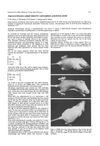
September 1980 in “Experientia” Polyethylene alanine caused hair loss in young lab animals but not in adults, with hair regrowth occurring within 20 days.
 60 citations
,
October 2010 in “Molecular Imaging and Biology”
60 citations
,
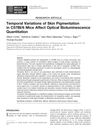
October 2010 in “Molecular Imaging and Biology” Increased skin pigmentation in mice reduces bioluminescent signal accuracy.
10 citations
,
June 2019 in “International Journal of Pharmaceutics” Hair removal methods damage the skin barrier and affect substance penetration.
 23 citations
,
October 2021 in “Cell Stem Cell”
23 citations
,
October 2021 in “Cell Stem Cell” Hair thinning causes stem cell loss through a process involving Piezo1, calcium, and TNF-α.
October 2020 in “Faculty Opinions – Post-Publication Peer Review of the Biomedical Literature” Mechanical stretching can promote hair growth by activating certain immune cells.