 2 citations
,
November 2019 in “Skin appendage disorders”
2 citations
,
November 2019 in “Skin appendage disorders” Platelet-rich plasma doesn't prevent hair loss from chemotherapy, and mononuclear cells only help against hair loss from one specific chemotherapy drug.
 2 citations
,
August 2019 in “Asian journal of pharmaceutical and clinical research”
2 citations
,
August 2019 in “Asian journal of pharmaceutical and clinical research” Cinnamon bark extract may help prevent weight loss and hair loss in breast cancer patients during chemotherapy and is safe to use.
 2 citations
,
December 2017 in “Bangladesh Journal of Pharmacology”
2 citations
,
December 2017 in “Bangladesh Journal of Pharmacology” Black seed oil significantly protects against hair loss from chemotherapy.
 2 citations
,
October 2016
2 citations
,
October 2016 Chemotherapy and radiotherapy can cause skin side effects like rashes, hair loss, and nail changes, which are usually managed with conservative treatments.
 2 citations
,
March 2013 in “Phytotherapy Research”
2 citations
,
March 2013 in “Phytotherapy Research” Ascorbigen increases hair cell growth in a lab setting but does not prevent hair loss from chemotherapy in mice.
2 citations
,
July 2024 in “Bioengineering” PRF lysates reduce inflammation in cancer cells and boost immune response in healthy oral cells.
2 citations
,
January 2023 in “Frontiers in Oncology” Mild oxidative stress can prevent hair loss from chemotherapy.
2 citations
,
January 2023 in “Skin Appendage Disorders” More research is needed to confirm initial findings on hair loss patterns from chemotherapy.
 2 citations
,
October 2020 in “Journal of Investigative Dermatology Symposium Proceedings”
2 citations
,
October 2020 in “Journal of Investigative Dermatology Symposium Proceedings” The botanical treatment for hair loss shows promise, especially for children.
 2 citations
,
May 2018 in “Australasian Journal of Dermatology”
2 citations
,
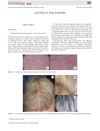
May 2018 in “Australasian Journal of Dermatology” Some patients' hair grew back black and white after chemotherapy.
2 citations
,
May 2016 in “Journal of Clinical Oncology” Topical calcitriol may reduce hair loss from chemotherapy at higher doses.
 2 citations
,
December 2013 in “Cancer Research”
2 citations
,
December 2013 in “Cancer Research” Some early breast cancer patients have long-term hair loss after chemotherapy, especially older and postmenopausal women.
 2 citations
,
January 2012 in “InTech eBooks”
2 citations
,
January 2012 in “InTech eBooks” Chemotherapy often causes hair loss, which usually grows back within 3 to 6 months, but there's no effective treatment to prevent it.
 1 citations
,
September 2024 in “International Journal of Advanced Multidisciplinary Research and Studies”
1 citations
,
September 2024 in “International Journal of Advanced Multidisciplinary Research and Studies” Chemotherapy with carboplatin-paclitaxel causes hair loss in all patients.
1 citations
,
April 2022 in “F1000Research” Most pediatric cancer patients at Muhimbili National Hospital in Tanzania experienced side effects from chemotherapy, with nausea, hair loss, and low white blood cell count being the most common.
 1 citations
,
May 2006 in “Expert Opinion on Therapeutic Patents”
1 citations
,
May 2006 in “Expert Opinion on Therapeutic Patents” No FDA-approved treatments for chemotherapy-induced hair loss existed in 2006; more research was needed.
 1 citations
,
June 2023 in “Sciential - McMaster Undergraduate Science Journal”
1 citations
,
June 2023 in “Sciential - McMaster Undergraduate Science Journal” Scalp cooling effectively prevents hair loss in breast cancer patients undergoing chemotherapy.
 1 citations
,
January 2021 in “Skin appendage disorders”
1 citations
,
January 2021 in “Skin appendage disorders” Chemotherapy patients don't all lose their hair due to factors like hair growth rates, age, genetics, and the type of drugs used.
1 citations
,
October 2019 in “Journal of Thoracic Oncology” Chemotherapy adds to, but doesn't enhance, the effects of immunotherapy in lung cancer treatment.
 1 citations
,
August 2019 in “Biomedical Journal of Scientific & Technical Research”
1 citations
,
August 2019 in “Biomedical Journal of Scientific & Technical Research” Early detection of chemotherapy side effects allows treatment adjustments, improving patient outcomes.
 1 citations
,
January 2015 in “Springer eBooks”
1 citations
,
January 2015 in “Springer eBooks” Chemotherapy can cause skin side effects that affect patients' lives, but they can be managed to avoid interrupting cancer treatment.
1 citations
,
January 2026 in “JAMA Network Open” Asian women with breast cancer experience the highest rates of long-term hair loss and related distress after chemotherapy.
1 citations
,
September 2025 in “Frontiers in Immunology” Alopecia areata involves complex immune dysregulation, mainly driven by Th1 activity, suggesting broader treatment strategies.
1 citations
,
January 2025 in “Discrete and Continuous Dynamical Systems - B” Sparse hairless patches can develop and stabilize in alopecia areata under certain conditions.
 1 citations
,
August 2024 in “Pharmaceuticals”
1 citations
,
August 2024 in “Pharmaceuticals” Goat placenta extract in a special delivery system improved hair growth and thickness in chemotherapy patients.
 1 citations
,
February 2024 in “Journal of Modern Oncology”
1 citations
,
February 2024 in “Journal of Modern Oncology” Scalp cooling helps prevent hair loss during chemotherapy for breast cancer.
 1 citations
,
May 2023 in “Jurnal Kedokteran Diponegoro”
1 citations
,
May 2023 in “Jurnal Kedokteran Diponegoro” Chemotherapy for prostate, bladder, and testicular cancer patients commonly causes hair loss, fatigue, and decreased appetite.
1 citations
,
December 2022 in “Jurnal Riset Kesehatan” Families help manage chemotherapy side effects at home by providing preferred foods, keeping hair short, assisting with routines, and ensuring hydration.
 1 citations
,
July 2020 in “Bezmialem science”
1 citations
,
July 2020 in “Bezmialem science” Reflexology massage helps hair regrowth in women after chemotherapy.
Scalp cooling can help prevent hair loss in about half of chemotherapy patients.