 January 2026 in “Nanoscale Advances”
 The nanocomposite effectively targets lung cancer cells without harming normal cells.
 11 citations
,
October 2019 in “Journal of Cancer Immunology”
11 citations
,
October 2019 in “Journal of Cancer Immunology” Combining Proton Minibeam with FLASH Radiotherapy may improve cancer treatment by reducing side effects and increasing effectiveness.
 82 citations
,
December 2015 in “Nanomedicine”
82 citations
,
December 2015 in “Nanomedicine” Nanoparticle systems make cancer treatment less toxic.
More research is needed to understand chemotherapy-induced hair loss and its phases.
 2 citations
,
January 1990 in “Leukemia & Lymphoma”
2 citations
,
January 1990 in “Leukemia & Lymphoma” The combination of mitoxantrone, etoposide, and prednisolone is effective for treating relapsed lymphoma with manageable side effects.

DOPE:DOPC liposomes can improve targeted cancer drug delivery, reducing side effects and increasing effectiveness.
 13 citations
,
August 1980 in “Cancer”
13 citations
,
August 1980 in “Cancer” Multimodal primary treatment improves survival in premenopausal breast cancer patients and is also beneficial for postmenopausal women.
 63 citations
,
May 2000 in “Australasian Journal of Dermatology”
63 citations
,
May 2000 in “Australasian Journal of Dermatology” Chemotherapy and bone marrow transplant can cause permanent hair loss.
 December 2019 in “Reactions Weekly”
 Man stopped medications due to sexual side effects, found relief with prostatic artery embolisation.
 December 2017 in “Actas Dermo-Sifiliográficas”
 Scalp cooling reduces chemotherapy-induced hair loss without increasing risk of skin metastases.
 November 2025 in “Eurasian journal of applied biotechnology”
 Combining L-cysteine, NAC, and a MET inhibitor significantly kills cervical cancer cells.
 29 citations
,
August 2007 in “Annals of Oncology”
29 citations
,
August 2007 in “Annals of Oncology” Docetaxel and oxaliplatin are effective and have manageable side effects for recurrent platinum-sensitive ovarian cancer.
1 citations
,
April 2023 in “Heliyon” Disitamab vedotin and gemcitabine effectively treated bladder cancer without major side effects.
January 2016 in “AACE Clinical Case Reports” Treatment restored normal sexual characteristics and blood condition in a patient with testicular cancer.
 1 citations
,
April 1953 in “Acta Radiologica”
1 citations
,
April 1953 in “Acta Radiologica” Irradiating the whole central nervous system can lead to over 50% of patients with cerebellar medulloblastoma surviving three years.
 May 2022 in “Голова и шея.”
 Exosomes show promise for targeted treatment of HER2-positive breast cancer.
5 citations
,
March 2020 in “Thoracic Cancer” CT-707 is effective and safe for treating certain Chinese lung cancer patients.
January 2022 in “SSRN Electronic Journal” Gemcitabine and Disitamab Vedotin effectively and safely reduced bladder cancer in a patient.
 March 2026 in “Scientific Reports”
 Scalp cooling reduces hair loss and improves quality of life during chemotherapy.
2 citations
,
February 2020 in “Annual Research & Review in Biology” Eruca sativa oil, Aloe vera oil, and sodium carbonate may help improve cholesterol and tumor markers in breast cancer treatment.
December 2025 in “Drug Design Development and Therapy” Anlotinib combined with taxane/capecitabine is more effective than bevacizumab for treating HER-2 negative metastatic breast cancer.
 7 citations
,
September 2023 in “Cancer Treatment Reviews”
7 citations
,
September 2023 in “Cancer Treatment Reviews” Managing side effects of endocrine therapy is crucial to improve adherence and survival in breast cancer patients.
 13 citations
,
January 2014 in “Dermatology”
13 citations
,
January 2014 in “Dermatology” Radiation-induced alopecia after angioembolization usually heals on its own and can look like other hair loss types, but patient history helps prevent misdiagnosis.
Ethanol embolization and debridement successfully treated a scalp AVM, stopped bleeding, and restored hair growth.

Chemotherapy for breast cancer often causes significant and lasting hair loss.
May 2026 in “Journal of Clinical Oncology” Later line chemotherapy causes severe side effects, impacting quality of life, but patients continue treatment to extend life and stay connected with loved ones.
September 2002 in “Oncology Times” Promising cancer treatments were found, but the manufacturer closed.
 January 2025 in “Nanoscale”
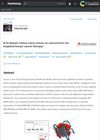
 Boron/nitrogen-doped carbon nano-onions improve targeted breast cancer treatment by enhancing drug delivery and reducing side effects.
 August 2018 in “SDÜ SAĞLIK BİLİMLERİ DERGİSİ”
 No method fully prevents hair loss from chemotherapy, but some methods can reduce it and improve quality of life.
11 citations
,
August 2022 in “Green Chemical Engineering” Engineered polypeptide-based systems can improve cancer treatment by targeting specific sites and reducing side effects.