 September 2024 in “Acta Medica Philippina”
 Radiation from a medical procedure caused temporary hair loss, but hair regrew with treatment.
May 2015 in “Cancer research” After chemotherapy for early breast cancer, 33.4% of patients had long-term significant hair loss, with some hair regrowth over time, but treatments for hair loss were largely ineffective.
45 citations
,
July 2006 in “Journal of Investigative Dermatology” Chemotherapy affects blood vessels in hair follicles, not stem cells, allowing hair regrowth.
 June 2024 in “ESMO Gastrointestinal Oncology”
 The combination treatment showed a higher response rate but no significant survival benefits.
 21 citations
,
August 2003 in “Seminars in oncology nursing”
21 citations
,
August 2003 in “Seminars in oncology nursing” Nurses are crucial in managing chemotherapy side effects for ovarian cancer patients to improve their quality of life.
 June 2026 in “Pharmaceutical Sciences and Research”
 Chemotherapy regimens were appropriate, but managing adverse effects like anemia and hair loss is crucial.
 February 2025 in “Pediatric Dermatology”
 Some pediatric Ewing's sarcoma patients may experience permanent hair loss after chemotherapy, and treatments might not fully restore hair.
 3 citations
,
May 2016 in “International Journal of Research in Ayurveda and Pharmacy”
3 citations
,
May 2016 in “International Journal of Research in Ayurveda and Pharmacy” Ayurveda, using herbs like ginger, garlic, and turmeric, can reduce chemo-radiotherapy side effects in cancer patients.
 9 citations
,
October 2014 in “Clinical and Experimental Dermatology”
9 citations
,
October 2014 in “Clinical and Experimental Dermatology” Temporary hair loss can occur after brain AVM treatment but usually regrows in 8 weeks.
 2 citations
,
May 2012 in “Annals of Oncology”
2 citations
,
May 2012 in “Annals of Oncology” Patients with advanced breast cancer and high hormone receptor levels who had surgery for ovarian/pelvic metastases lived longer, especially if they had high estrogen receptor levels.
 93 citations
,
May 2010 in “European Journal of Cancer”
93 citations
,
May 2010 in “European Journal of Cancer” BI 2536 had limited effectiveness against several advanced cancers and caused significant side effects.
27 citations
,
May 2016 in “Integrative Cancer Therapies” Chrysin makes docetaxel more effective and reduces its side effects in lung cancer treatment.
 59 citations
,
December 2016 in “Supportive Care in Cancer”
59 citations
,
December 2016 in “Supportive Care in Cancer” Core symptoms in breast cancer chemotherapy remain stable, aiding targeted interventions.
2 citations
,
December 2012 in “The Professional Medical Journal” Biobran MGN-3 reduces chemotherapy side effects and improves quality of life for breast cancer patients.
13 citations
,
July 2017 in “Annals of Oncology” Chemotherapy toxicity might be reduced by using DNA neutralizing agents.
65 citations
,
October 2015 in “Acta Biomaterialia” The nano-carrier makes etoposide safer and more effective against lung cancer.
7 citations
,
July 2013 in “Acta Biochimica Polonica” Chemotherapy reduces splenic melanin in mice.
July 2024 in “Journal of Investigative Dermatology” Scalp cooling may be less effective for women of color on certain chemotherapy treatments.
January 2025 in “AYUSHDHARA” Herbomineral drugs effectively manage chemotherapy-induced diarrhea in oral cavity cancer patients.
 2 citations
,
October 2016
2 citations
,
October 2016 Chemotherapy and radiotherapy can cause skin side effects like rashes, hair loss, and nail changes, which are usually managed with conservative treatments.
 35 citations
,
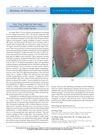
May 2008 in “Journal of Clinical Oncology”
35 citations
,
May 2008 in “Journal of Clinical Oncology” A cancer patient died from a severe skin reaction after taking the drug cetuximab.
 5 citations
,
January 2024 in “Journal of Cancer”
5 citations
,
January 2024 in “Journal of Cancer” The treatment combination is effective and generally safe for lung cancer.
 4 citations
,
January 2016 in “Case reports in dermatological medicine”
4 citations
,
January 2016 in “Case reports in dermatological medicine” A man had temporary hair loss from radiation during a medical procedure but regrew his hair after treatment with minoxidil lotion.
 November 2021 in “World Family Medicine Journal /Middle East Journal of Family Medicine”
 COVID-19 affects patients on chemotherapy for gynecological cancer negatively.
 January 2024 in “International Journal of Health Science”
 Scalp cooling and low-power light therapy show promise in reducing chemotherapy-induced hair loss but need more research.
9 citations
,
April 2010 in “Lung cancer” Combining gemcitabine with paclitaxel is more effective than with pemetrexed for advanced lung cancer.
Bioregulatory medicine improved the dog's health and recovery from chemotherapy side effects.
 March 2026 in “International Journal of Ayurvedic Medicine (Hyderabad)”
 The patient showed tumor stability and improved health using a new Periwinkle preparation with chemotherapy.
4 citations
,
January 2011 in “International Journal of Clinical Medicine” Patients with metastatic breast cancer treated with epirubicin and docetaxel had a good response and maintained their quality of life.
 4 citations
,
February 2024 in “The Journal of Urology”
4 citations
,
February 2024 in “The Journal of Urology” Adding hormone therapy to radiation improves survival for high-risk prostate cancer recurrence but has side effects.