 September 2024 in “Journal of the American Academy of Dermatology”
 Facebook groups play a crucial role in supporting and guiding patients on scalp cooling and hair loss during chemotherapy.
February 2024 in “Frontiers in Cell and Developmental Biology” Eribulin-based chemotherapy is more effective and has fewer side effects for advanced triple-negative breast cancer.
January 2024 in “Faculty of 1000 Research Ltd” Most pediatric cancer patients at Muhimbili National Hospital experienced adverse drug reactions during chemotherapy, highlighting the need for careful monitoring.
 December 2023 in “Malahayati International Journal of Nursing and Health Science”
 Chemotherapy in children often causes hair loss, nausea, vomiting, and mood swings.
 October 2023 in “Current Issues in Molecular Biology”
 The YH complex, made from Astragalus membranaceus and Cinnamomum cassia, may help treat hair loss by promoting hair growth and follicle development.
October 2023 in “Indian Journal of Skin Allergy” Nab-paclitaxel chemotherapy can rarely cause lupus-like skin issues.
March 2022 in “Authorea (Authorea)” Chemotherapy for leukemia led to full hair regrowth in a child with alopecia totalis.
 June 2021 in “International Journal of Ayurveda and Pharma Research”
 Moorvadi choornam may help reduce chemotherapy side effects.
June 2021 in “BIOMED natural and applied science” Chemotherapy targets all dividing cells, causing side effects like nausea and hair loss.
October 2018 in “Oncology Times” Hair is important for aging and cancer treatment, affecting emotions, culture, and health.
 October 2018 in “Annals of oncology”
 Topical calcitriol (BPM31543) is safe for preventing hair loss from chemotherapy and shows some effectiveness.
 August 2018 in “Journal of the American Academy of Dermatology”
 Patients often experience long-lasting changes to their hair after stem cell transplants.
September 2017 in “Pure and Applied Biology” Chemotherapy and radiotherapy improved quality of life and reduced symptoms in lung cancer patients.
 January 2017 in “Clinical approaches and procedures in cosmetic dermatology”
 Low-Level Laser Therapy might be a good alternative for hair loss when other treatments fail, but its effectiveness varies and more research is needed.
January 2017 in “Digital Commons - University of South Florida (University of South Florida)” Hair loss from chemotherapy causes significant distress and affects social roles for ovarian and uterine cancer patients.
 October 2014 in “Cancer Research”
 A new topical treatment may prevent hair loss from cancer therapy by adjusting cell death processes in hair follicles.
July 2004 in “Journal of Clinical Oncology” Isolated limb perfusion is a safe and effective treatment for limb melanoma.
July 2004 in “Journal of Clinical Oncology” Isolated hyperthermic chemotherapy perfusion for limb melanoma is safe and effective with manageable side effects.
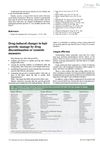 August 1994 in “Drugs & Therapy Perspectives”
 Some drugs can cause hair loss or growth, but hair usually returns to normal after stopping the drug.
 March 1965 in “Hospital Topics”
 Chemotherapy provides symptom relief and extends life in 30-50% of gynecological cancer cases, but has only cured choriocarcinoma.
6 citations
,
December 2021 in “Journal of Cancer Research and Therapeutics” The treatment improved survival and controlled cancer spread but required managing side effects like rashes.
1 citations
,
January 2026 in “JAMA Network Open” Asian women with breast cancer experience the highest rates of long-term hair loss and related distress after chemotherapy.
6 citations
,
April 2022 in “The Breast” Scalp cooling reduces hair loss during chemotherapy but doesn't help hair regrow after.
4 citations
,
February 2019 in “Revista da Associação Médica Brasileira” FOLFOX6 chemotherapy effectively reduces VEGF levels and improves quality of life in advanced colorectal cancer patients.
4 citations
,
January 2017 in “International Journal of Dermatology” Scalp cooling can help reduce hair loss during chemotherapy.
1 citations
,
July 2021 in “Frontiers in Oncology” Neoadjuvant endocrine therapy led to a better future outlook than chemotherapy, with no major quality of life differences.
July 2024 in “Journal of Investigative Dermatology” Taxane chemotherapy can cause permanent hair loss by damaging hair follicles and altering their DNA.
January 2023 in “International Egyptian Journal of Nursing Sciences and Research” Scalp cryotherapy significantly reduces hair loss during and shortly after chemotherapy.
 June 2003 in “Obstetrical & Gynecological Survey”
 After chemotherapy for a gestational trophoblastic tumor, normal pregnancy rates are possible, but there's a slightly higher risk of the tumor reoccurring in future pregnancies.
July 2018 in “IP Indian Journal of Clinical and Experimental Dermatology” Chemotherapy often causes hair loss, so patients should be counseled to reduce anxiety.