 1 citations
,
February 2017 in “MOJ bioequivalence & bioavailability”
1 citations
,
February 2017 in “MOJ bioequivalence & bioavailability” Treating hair loss effectively may require a multi-sided approach, using different treatments together, and topical treatments could be more effective and safer than oral ones.
 February 2024 in “International Journal of Molecular Sciences”
 Hair loss in Androgenetic Alopecia is caused by genetics, aging, and lifestyle, leading to hair follicle shrinkage and related health risks.
1 citations
,
October 2025 in “Journal of Microbiology and Biotechnology” Natural extracts may promote hair growth with fewer side effects than conventional treatments.
 April 2025 in “International Journal of Molecular Sciences”
 New treatments for hair loss show promise with advanced therapies and better targeting.
 February 2017 in “Vestnik dermatologii i venerologii”
 Hair loss can be treated with common methods like minoxidil and finasteride, but new potential treatments include growth factors, cytokines, and platelet-rich plasma injections.
91 citations
,
May 2023 in “Journal of Cutaneous Medicine and Surgery” Alopecia Areata affects 2% globally, with treatments like essential oils, garlic, and JAK inhibitors showing promise, but more research is needed.
 September 2024 in “Journal of the American Academy of Dermatology”
 Facebook groups play a crucial role in supporting and guiding patients on scalp cooling and hair loss during chemotherapy.
5 citations
,
July 2010 in “Archives of Internal Medicine” Prostaglandins may protect hair follicles during chemotherapy.

Permanent micropigmentation can help cancer survivors feel better about themselves by restoring eyebrows lost during chemotherapy.
 19 citations
,
October 2011 in “Clinics in Dermatology”
19 citations
,
October 2011 in “Clinics in Dermatology” New chemotherapy drugs cause skin side effects, but treatments like minocycline and tetracycline can help reduce them.
 141 citations
,
September 2016 in “European Journal of Dermatology”
141 citations
,
September 2016 in “European Journal of Dermatology” Taxane chemotherapy can cause skin, hair, and nail side effects, which are often under-reported and can affect patient quality of life.
17 citations
,
June 2020 in “Anais brasileiros de dermatologia/Anais Brasileiros de Dermatologia” Scalp cooling is an effective way to prevent hair loss from chemotherapy.
 4 citations
,
February 2022 in “JAAD case reports”
4 citations
,
February 2022 in “JAAD case reports” The document concludes that low-dose oral minoxidil successfully regrew hair in a patient with permanent hair loss after chemotherapy and stem cell transplant.
 July 2025 in “Pharmaceuticals”
 Phenobarbital-loaded chitosan nanoparticles are promising for preventing hair loss from chemotherapy.
2 citations
,
June 2024 in “JAAD reviews.” Some drugs can cause permanent hair loss, though it's rare.
11 citations
,
August 2017 in “Supportive care in cancer” Madarosis (eyebrow and eyelash loss) significantly affects quality of life for breast cancer patients on taxane-based chemotherapy.
May 2015 in “Cancer research” After chemotherapy for early breast cancer, 33.4% of patients had long-term significant hair loss, with some hair regrowth over time, but treatments for hair loss were largely ineffective.
86 citations
,
November 2020 in “Annals of Oncology” Early intervention and tailored management can reduce skin side effects from cancer treatments.
 43 citations
,
March 2019 in “JAMA Dermatology”
43 citations
,
March 2019 in “JAMA Dermatology” Hair regrowth treatments had modest benefits for patients with long-term hair loss after chemotherapy.
 8 citations
,
January 2003 in “Pharmacotherapy: The Journal of Human Pharmacology and Drug Therapy”
8 citations
,
January 2003 in “Pharmacotherapy: The Journal of Human Pharmacology and Drug Therapy” Chemotherapy may cause recurring hair loss due to an autoimmune response.
 9 citations
,
October 2011 in “Journal of proteomics”
9 citations
,
October 2011 in “Journal of proteomics” Taxol damages hair growth cells, causing hair loss.
 February 2023 in “Journal of Korean Medical Association”
 Targeted cancer therapies can cause new side effects, requiring careful monitoring and management to ensure patient safety.
 63 citations
,
May 2000 in “Australasian Journal of Dermatology”
63 citations
,
May 2000 in “Australasian Journal of Dermatology” Chemotherapy and bone marrow transplant can cause permanent hair loss.
 January 2019 in “Springer eBooks”
 Some chemicals and drugs can cause hair loss, which usually grows back after stopping the treatment.
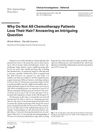 1 citations
,
January 2021 in “Skin appendage disorders”
1 citations
,
January 2021 in “Skin appendage disorders” Chemotherapy patients don't all lose their hair due to factors like hair growth rates, age, genetics, and the type of drugs used.
 1 citations
,
January 2015 in “Springer eBooks”
1 citations
,
January 2015 in “Springer eBooks” Chemotherapy can cause skin side effects that affect patients' lives, but they can be managed to avoid interrupting cancer treatment.
 9 citations
,
May 2013 in “JAMA Dermatology”
9 citations
,
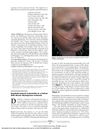
May 2013 in “JAMA Dermatology” A woman's hair turned white after taking a cancer drug called dasatinib.
 13 citations
,
March 2015 in “Plastic and reconstructive surgery. Global open”
13 citations
,
March 2015 in “Plastic and reconstructive surgery. Global open” Leg hair can be used for eyelash transplants, resulting in fuller lashes with less maintenance.
 68 citations
,
May 2012 in “Annals of Oncology”
68 citations
,
May 2012 in “Annals of Oncology” Some breast cancer chemotherapy can cause permanent hair loss.
 March 2026 in “Cancer Diagnosis & Prognosis”
 Some side effects of breast cancer chemotherapy, like neuropathy and nail loss, can last long after treatment.