 November 2023 in “Facial Plastic Surgery”
 Beard hair is the best for body hair transplants, but the procedure is hard and should be done by experts.
 October 2023 in “Facial Plastic Surgery”
 Beard hair is the best for body hair transplants, but the procedure is complex and requires experienced professionals.

Suprapubic hair can be used as an extra donor source for hair transplants when scalp hair is limited.
30 citations
,
August 2004 in “British Journal of Plastic Surgery” Chest hair can be successfully used for scalp hair transplants, growing longer like scalp hair.
 4 citations
,
January 2007 in “Indian Journal of Dermatology”
4 citations
,
January 2007 in “Indian Journal of Dermatology” Body hair can be used as an extra source of donor hair in hair restoration surgery for people with severe hair loss.
 3 citations
,
October 2021 in “Indian Journal of Plastic Surgery”
3 citations
,
October 2021 in “Indian Journal of Plastic Surgery” Follicular unit extraction is a hair transplant method that can leave small scars and uses various tools for harvesting hair from different body parts.
 22 citations
,
January 2017 in “Indian Dermatology Online Journal”
22 citations
,
January 2017 in “Indian Dermatology Online Journal” Body hair transplants can treat baldness but differ from scalp hair and need more research on long-term results and side effects.
 25 citations
,
May 2011 in “Annals of Plastic Surgery”
25 citations
,
May 2011 in “Annals of Plastic Surgery” Nonhead hair transplantation is effective for patients with limited head donor hair, but more research is needed.
 14 citations
,
March 2019 in “Facial Plastic Surgery Clinics of North America”
14 citations
,
March 2019 in “Facial Plastic Surgery Clinics of North America” Hair transplantation can help transgender patients affirm their gender identity.
 6 citations
,
March 2008 in “Dermatologic Surgery”
6 citations
,
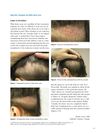
March 2008 in “Dermatologic Surgery” Transplanting chest hair into scars can effectively treat wide donor scars from hair restoration surgery.
 3 citations
,
November 2018 in “Hair transplant forum international”
3 citations
,
November 2018 in “Hair transplant forum international” Using body hair with scalp hair for hair transplants improves density and coverage in severe hair loss cases.
 4 citations
,
January 2015 in “International Journal of Trichology”
4 citations
,
January 2015 in “International Journal of Trichology” Transplanted hair follicles can change and adapt to new areas of the body, with the immune system possibly playing a role in this adjustment.
 4 citations
,
January 2016 in “Dermatology practical & conceptual”
4 citations
,
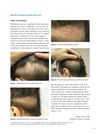
January 2016 in “Dermatology practical & conceptual” A man developed a rare skin condition after a hair transplant surgery.
 11 citations
,
June 2008 in “Dermatologic Surgery”
11 citations
,
June 2008 in “Dermatologic Surgery” Transplanting chest hair into scalp scars may effectively treat wide donor scars in hair restoration.
June 2021 in “Cosmoderma” Hair transplantation techniques have improved, making the process safer and more effective with less visible scarring.
 June 2023 in “Facial Plastic Surgery Clinics of North America”
 Hair transplantation is important for transgender patients to enhance their masculine or feminine appearance.
 1 citations
,
November 1992 in “Indian Dermatology Online Journal”
1 citations
,
November 1992 in “Indian Dermatology Online Journal” FUE is a popular hair restoration method that uses body hair and leaves no scars.
October 2022 in “Hair Transplantation” Transgender patients use hair restoration surgery to match their hairline with their gender identity.
 66 citations
,
May 2012 in “Scientific Reports”
66 citations
,
May 2012 in “Scientific Reports” Scientists successfully created and transplanted bioengineered hair follicles that function like natural ones, suggesting a new treatment for hair loss.
 February 2026 in “Frontiers in Medicine”
 FUE hair transplants are generally safe but require careful planning to avoid rare complications.
 29 citations
,
January 2010 in “PubMed”
29 citations
,
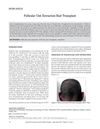
January 2010 in “PubMed” FUE hair transplants offer minimal scarring and are good for short hairstyles but are time-consuming and can be costly.
 18 citations
,
May 2016 in “Aesthetic Surgery Journal”
18 citations
,
May 2016 in “Aesthetic Surgery Journal” Body hair transplantation is an effective method for restoring hair in people with severe baldness and limited scalp donor hair.
 17 citations
,
May 2015 in “Aesthetic Plastic Surgery”
17 citations
,
May 2015 in “Aesthetic Plastic Surgery” FUE hair transplantation using a micromotor is effective and gives natural results with few complications.
 15 citations
,
January 2013 in “Journal of Cutaneous and Aesthetic Surgery”
15 citations
,
January 2013 in “Journal of Cutaneous and Aesthetic Surgery” The modified Direct Hair Transplantation method is effective for treating baldness with better graft survival and less damage than standard techniques.
 1 citations
,
June 2017 in “Actas Dermo-Sifiliográficas”
1 citations
,
June 2017 in “Actas Dermo-Sifiliográficas” Follicular Unit Extraction (FUE) is a hair transplant method with less scarring and discomfort but requires skilled surgeons and has limitations on graft numbers per session.
 8 citations
,
February 2016 in “The American Journal of Dermatopathology”
8 citations
,
February 2016 in “The American Journal of Dermatopathology” Hair transplants can make hair follicles larger and hair shafts thicker.
 1 citations
,
November 2009 in “Cambridge University Press eBooks”
1 citations
,
November 2009 in “Cambridge University Press eBooks” FUE is a less invasive hair restoration method with potential to become standard, offering benefits like reduced scarring and pain, but requires experience to minimize risks.
 7 citations
,
November 2021 in “Clinical, Cosmetic and Investigational Dermatology”
7 citations
,
November 2021 in “Clinical, Cosmetic and Investigational Dermatology” The new hair graft device is faster, more efficient, and reduces damage to hair follicles.
 27 citations
,
November 2008 in “Facial Plastic Surgery”
27 citations
,
November 2008 in “Facial Plastic Surgery” Follicular Unit Extraction is a less invasive hair transplant method with potential for natural results but has challenges like longer surgery time and higher cost.
November 2013 in “Journal of clinical & experimental dermatology research” The follicular unit extraction method for hair transplants is a technique with benefits and drawbacks.