August 2021 in “Journal of Investigative Dermatology” ILC1-like cells can cause alopecia areata by disrupting hair follicle immunity, suggesting a new treatment approach.
20 citations
,
August 2021 in “Clinical and Experimental Dermatology” A skin rash after the AstraZeneca COVID-19 vaccine was treated successfully with medication.
13 citations
,
May 2012 in “Cutaneous and ocular toxicology” Alopecia areata is not linked to vitamin B12 deficiency.
28 citations
,
June 2003 in “Applied immunohistochemistry & molecular morphology” Combining cell conditioning with mild protease digestion effectively shows versican mRNA in mouse skin sections.
April 2005 in “Journal of Investigative Dermatology” Vitamin D helps protect skin, PSORS1 gene's risk interval for psoriasis is expanded, hair follicles can be generated from mouse cells, and interferon-γ may cause pigmented skin lesions.
 7 citations
,
June 1976 in “JAMA”
7 citations
,
June 1976 in “JAMA” Most women with ankylosing spondylitis tested positive for HLA-B27, suggesting it's useful for diagnosis.
10 citations
,
September 2004 in “PubMed” Vitamin D receptor FokI gene variation is not linked to alopecia areata.
 February 2026 in “Clinical Cosmetic and Investigational Dermatology”
 Vitiligo is influenced by genetics and environment, and combining these factors can improve early detection and prevention.
March 2007 in “Journal of Cell Science” K10 may not prevent tumors as previously thought and might increase benign tumor risk.
 27 citations
,
June 2005 in “The journal of investigative dermatology/Journal of investigative dermatology”
27 citations
,
June 2005 in “The journal of investigative dermatology/Journal of investigative dermatology” The study found that variations in hair protein genes are likely due to evolutionary deletions or duplications.
 46 citations
,
January 1996 in “Journal of The American Academy of Dermatology”
46 citations
,
January 1996 in “Journal of The American Academy of Dermatology” People with late-stage HIV-1 often experience a specific type of hair loss linked to multiple factors, including nutritional issues and immune responses.
1 citations
,
October 2023 in “BMC Genomics” miRNAs in the Dlk1-Gtl2 region may improve lamb fur quality.
 3 citations
,
January 2010 in “Actas Dermo-Sifiliográficas”
3 citations
,
January 2010 in “Actas Dermo-Sifiliográficas” Immunization and throat bacteria may increase the risk of a hair loss condition called alopecia areata.
3 citations
,
July 2024 in “Frontiers in Medicine” Mutations in the KLHL24 gene cause a skin disorder in some Russian families.
 5 citations
,
January 2022 in “Journal of the European Academy of Dermatology and Venereology”
5 citations
,
January 2022 in “Journal of the European Academy of Dermatology and Venereology” The Covishield COVID-19 vaccine caused skin-related side effects in 1.23% of the people vaccinated in the study from India.
January 2016 in “Journal of Allergy and Clinical Immunology” March 2018 in “The journal of applied laboratory medicine” The rash on the infant indicated a serious underlying condition.
 10 citations
,
August 2016 in “Oxford Medical Case Reports”
10 citations
,
August 2016 in “Oxford Medical Case Reports” Tocilizumab therapy may cause skin and hair conditions like halo naevi, vitiligo, and alopecia areata.
17 citations
,
June 2003 in “The journal of investigative dermatology. Symposium proceedings/The Journal of investigative dermatology symposium proceedings” Mutations in hKAP1 genes may cause hereditary hair disorders.
6 citations
,
August 2016 in “Journal of Visualized Experiments” The CUBIC protocol allows detailed 3D visualization of proteins in mouse skin biopsies.
 1 citations
,
March 2020 in “Poster presentations”
1 citations
,
March 2020 in “Poster presentations” SLE patients need careful diagnosis to distinguish infections from disease flares for proper treatment.
32 citations
,
August 2003 in “Journal of the European Academy of Dermatology and Venereology” cGVHD often severely affects the skin, causing rapid aging and other issues.
7 citations
,
September 2006 in “Molecular Carcinogenesis” Homozygous K5Cre transgenic mice have wavy hair and faster cancer progression.
88 citations
,
August 1998 in “Carcinogenesis” High levels of ODC and a mutant Ha-ras gene cause tumors in mice.
 21 citations
,
January 2005 in “Pediatric Dermatology”
21 citations
,
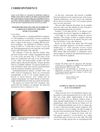
January 2005 in “Pediatric Dermatology” An 8-year-old girl with vitiligo developed extra hair growth on her knee after using tacrolimus ointment.
 49 citations
,
August 2004 in “The FASEB Journal”
49 citations
,
August 2004 in “The FASEB Journal” Mice with human skin protein K8 had more skin problems and cancer.
27 citations
,
May 2011 in “Journal of Investigative Dermatology” TCHHL1 is a protein important for hair growth, found in hair follicles.
 June 2017 in “Çocuk Enfeksiyon Dergisi/Journal of Pediatric Infection”
 Tinea capitis can rarely cause urticarial skin reactions in children.
43 citations
,
October 2006 in “Journal of Cell Science” Keratin 10 end domains may increase skin cancer risk by reducing cell death.
 April 2019 in “Journal of Medical Science And clinical Research”
 The grey patch variant of tinea capitis is most common, mainly spread through family and animals.