 March 2023 in “International journal of trichology”
 Six genetic conditions are often linked to complete scalp hair loss in children.
 January 2023 in “International Journal of Contemporary Pediatrics”
 A rare genetic disease causes rickets and often hair loss in young children, which can improve with specific treatments.
 September 2022 in “Journal of the American Academy of Dermatology”
 The registry showed that tofacitinib is promising for treating hair loss in children with alopecia areata, but more research is needed.
November 2021 in “CRC Press eBooks” Tinea capitis is a fungal infection of the scalp that mainly affects children and can cause symptoms from mild itching to severe inflammation.
 August 2021 in “Journal of maternal and child health”
 Obesity increases the risk of polycystic ovary syndrome and anemia in women who can have children.
 January 2021 in “Indian Journal of Paediatric Dermatology”
 Topical tretinoin 0.025% cream is an effective treatment for Eruptive Vellus Hair Cysts in children.
Dermatologists often treat alopecia areata inconsistently, especially in children and advanced cases.
 January 2019 in “Open access journal of mycology & mycological sciences”
 The article concludes that proper antifungal treatment is essential for treating scalp fungal infections in children, and trichoscopy is useful for diagnosis and monitoring.
 September 2017 in “Current Issues in Pharmacy and Medical Sciences”
 Mesenchymal stem cells are effective and safe for treating various diseases in children.
 April 2017 in “Journal of Investigative Dermatology”
 Sirolimus and propranolol may reduce abnormal cell growth and improve lymphatic malformations in children.
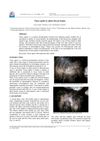
An adult Libyan woman was successfully treated for a rare scalp infection usually seen in children.
January 2015 in “The Encyclopedia of Clinical Psychology” Habit reversal training effectively treats hair-pulling disorder in both adults and children.
 October 2014 in “Our Dermatology Online”
 Parents often know about skin care, but children with less educated, lower-income parents have more skin problems.
 March 2014 in “Pediatric Clinics of North America”
 The document discusses how to identify and manage common skin conditions in children.

The study concludes that Twenty-nail dystrophy is more common in boys among children and in women among adults, with varying response to treatment.
August 2008 in “Pediatrics in Review” More research is needed to confirm the safety and effectiveness of alternative therapies for children's asthma.
 February 2004 in “The New England Journal of Medicine”
 The book is a useful resource for healthcare providers working with hospitalized children but misses some important studies and detailed problem evaluations.
January 2023 in “Journal der Deutschen Dermatologischen Gesellschaft” Early diagnosis and personalized treatment are crucial for managing hair loss in children.
 86 citations
,
May 2005 in “Seminars in Arthritis and Rheumatism”
86 citations
,
May 2005 in “Seminars in Arthritis and Rheumatism” Kawasaki Disease is rare and often missed in adults, who show different symptoms than children, and may benefit from early treatment.
 61 citations
,
January 2013 in “Indian Journal of Dermatology, Venereology and Leprology”
61 citations
,
January 2013 in “Indian Journal of Dermatology, Venereology and Leprology” Hair usually grows back 1-3 months after treatment for anagen effluvium, and children with Loose Anagen Hair Syndrome often improve by adolescence.
35 citations
,
February 2023 in “Journal of Clinical Medicine” Demodex mites are common in adults and elderly, emerging in children, and require careful diagnosis and treatment.
 35 citations
,
January 1996 in “Dermatologic clinics”
35 citations
,
January 1996 in “Dermatologic clinics” Tinea capitis is a common scalp infection causing hair loss, mostly in young children.
 20 citations
,
November 1968 in “The Lancet”
20 citations
,
November 1968 in “The Lancet” Potassium levels affect blood sugar and insulin during dialysis, and malnutrition changes children's hair roots.
11 citations
,
November 1996 in “Pediatric dermatology” Trichostasis spinulosa can look like acne but usually affects adults, not children.
 6 citations
,
March 1999 in “Journal of pediatric health care”
6 citations
,
March 1999 in “Journal of pediatric health care” The document emphasizes the need for primary care providers to understand and care for African American children's hair and skin to boost their self-esteem.
 3 citations
,
November 2009 in “BMC dermatology”
3 citations
,
November 2009 in “BMC dermatology” Dermatologists' treatment of alopecia areata is inconsistent, especially for children and advanced stages.
3 citations
,
May 2007 in “Pediatrics in review” Ringworm of the body and scalp is treated with antifungal creams and oral medication, and children with scalp ringworm don't need to miss school.
 2 citations
,
October 2020 in “Journal of Investigative Dermatology Symposium Proceedings”
2 citations
,
October 2020 in “Journal of Investigative Dermatology Symposium Proceedings” The botanical treatment for hair loss shows promise, especially for children.
1 citations
,
March 2025 in “Pediatric Dermatology” Alopecia areata causes round patches of hair loss, especially in children.
March 2026 in “Journal of Investigative Dermatology” Early diagnosis and tailored treatment are crucial to prevent permanent hair loss and support self-esteem in children with scarring alopecia.