December 2022 in “Journal of Paediatrics and Child Health” The girl's itchy armpit and pubic lesions didn't improve with antifungal cream.
 2 citations
,
July 2004 in “Proceedings of SPIE, the International Society for Optical Engineering/Proceedings of SPIE”
2 citations
,
July 2004 in “Proceedings of SPIE, the International Society for Optical Engineering/Proceedings of SPIE” Near-infrared laser therapy with Indocyanine Green dye improves acne by reducing inflammation without side effects.
 16 citations
,
July 2002 in “JOGC/Journal of obstetrics and gynaecology Canada”
16 citations
,
July 2002 in “JOGC/Journal of obstetrics and gynaecology Canada” Birth control pills can help reduce mild to moderate acne in women.
 175 citations
,
April 1982 in “Journal of The American Academy of Dermatology”
175 citations
,
April 1982 in “Journal of The American Academy of Dermatology” Isotretinoin is highly effective in treating severe acne, rosacea, and gram-negative folliculitis.
Oral isotretinoin effectively treated a young girl's scalp condition after other treatments failed.
11 citations
,
January 2009 in “Indian journal of dermatology, venereology, and leprology” DCPA is a chronic skin condition affecting the lower limbs, mainly in men, with unclear causes and treatments that often don't work well.

Diet and supplements can significantly affect acne, with some foods and nutrients reducing and others worsening it.
 July 1989 in “British Journal of Dermatology”
 Women's acne improvement with antibiotics is not linked to signs of high male hormones.
Further trials are needed to explore the efficacy of triamcinolone acetonide in dermatology.
 August 2018 in “Journal of The American Academy of Dermatology”
 A 16-year-old girl's skin rash was likely caused by an infection and improved with topical steroids.
 November 1966 in “British Journal of Dermatology”
 The meeting discussed various skin conditions, treatments, and unusual cases, highlighting the effectiveness of tetracycline in treating rosacea.
October 2025 in “Cosmetics” Genetic insights can lead to personalized treatments for acne, androgenetic alopecia, and alopecia areata.
40 citations
,
May 2010 in “American Journal of Clinical Dermatology” AKN might be a skin marker for metabolic syndrome.
3 citations
,
November 2013 in “PubMed” July 2025 in “The Egyptian Journal of Hospital Medicine” Both treatments improved alopecia areata, but methotrexate caused more skin darkening, while triamcinolone caused skin lightening and thinning.
8 citations
,
March 2010 in “Chinese medical journal/Chinese Medical Journal” Malassezia infection may cause refractory acne, and antifungal treatments can help.
11 citations
,
November 1996 in “Pediatric dermatology” Trichostasis spinulosa can look like acne but usually affects adults, not children.
 August 2025 in “International Journal of Research in Dermatology”
 Increasing zinc intake improved skin and hair symptoms in a rare genetic disorder.
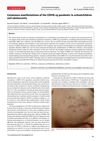 January 2023 in “Acta dermatovenerologica Alpina, Pannonica et Adriatica (Tiskana izd.)”
 The article concludes that schoolchildren and adolescents experienced various skin issues during the COVID-19 pandemic, including acne from masks and other skin reactions from the virus and vaccines.
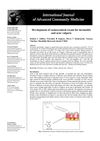 September 2018 in “International Journal of Advanced Community Medicine”
 The cream effectively treats acne and dermatitis without causing irritation.
 January 2014 in “Michigan telecommunications and technology law review”
 Zinc deficiency in alcoholic cirrhosis patients causes skin issues, and zinc treatment improves symptoms.
 August 2022 in “Case reports”
 Isotretinoin effectively treated a rare scalp condition, but careful drug monitoring and a dairy-free diet were important.
 1 citations
,
March 2023 in “International Journal of Health and Pharmaceutical Medicine”
1 citations
,
March 2023 in “International Journal of Health and Pharmaceutical Medicine” Impaired skin barrier function worsens acne.
 November 2023 in “Berkala Ilmu Kesehatan Kulit dan Kelamin/Berkala ilmu kesehatan kulit dan kelamin (Periodical of dermatology and venerology)”
 A dermoscope helps accurately tell apart Pityrosporum folliculitis and Acne vulgaris.
February 2026 in “Bioscientia Medicina Journal of Biomedicine and Translational Research” Eosinophilic pustular folliculitis should be considered in teens with persistent skin issues for accurate diagnosis and treatment.

The method creates realistic, anonymous acne face images for research, achieving 97.6% accuracy in classification.
 26 citations
,
October 2016 in “Clinics in Dermatology”
26 citations
,
October 2016 in “Clinics in Dermatology” Hormonal treatments can improve acne, but they come with potential side effects and risks.
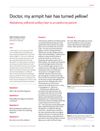
A 15-year-old boy's smelly, yellow armpit hair improved with clindamycin treatment.
 2 citations
,
July 2022 in “Cutis”
2 citations
,
July 2022 in “Cutis” Diet may influence acne development.
 7 citations
,
January 2019 in “Postepy Dermatologii I Alergologii”
7 citations
,
January 2019 in “Postepy Dermatologii I Alergologii” Certain gene variations might be linked to severe acne in women but not in men.