22 citations
,
June 2002 in “Journal of Medicinal Chemistry” Compounds 15, 20, and 25 are strong inhibitors of human steroid 5α-reductase type 2.
July 2024 in “Journal of Investigative Dermatology” CD8+ T cells expand significantly in alopecia areata, suggesting new treatment targets.
 1 citations
,
August 2023 in “The journal of pharmacology and experimental therapeutics/The Journal of pharmacology and experimental therapeutics”
1 citations
,
August 2023 in “The journal of pharmacology and experimental therapeutics/The Journal of pharmacology and experimental therapeutics” Kir6.1 mutations in Cantú syndrome increase channel sensitivity and hyperpolarization, while SUR2B mutations do not.
12 citations
,
December 2011 in “Journal of Dermatological Science” The C-terminal tail of AHF/trichohyalin is essential for organizing keratin filaments in keratinocytes.
October 2021 in “QJM: An International Journal of Medicine” N-acetyl-cysteine improves hair growth and is safe for treating early male hair loss.
 May 2023 in “The journal of investigative dermatology/Journal of investigative dermatology”
 A potential treatment for atopic dermatitis could be to increase PADI1 expression to improve skin barrier function.
 June 2023 in “Medeniyet medical journal”
 People with alopecia areata have similar retinal structures but thicker choroidal regions compared to those without the condition.
March 2021 in “Juniper Online Journal Material Science” Energy healing treatment improved L-cysteine's stability, solubility, bioavailability, and shelf-life.

Ion sequential therapy improves heart function after a heart attack.
 October 2018 in “bioRxiv (Cold Spring Harbor Laboratory)”
 Neuronatin is found in various cells of rat tissues and has a unique location in sperm cells.
 2 citations
,
November 2015 in “Endocrinology, Diabetes & Metabolism Case Reports”
2 citations
,
November 2015 in “Endocrinology, Diabetes & Metabolism Case Reports” A man with X-ALD improved after treatment, highlighting the need to consider X-ALD in similar patients and test their relatives.
65 citations
,
February 2011 in “Molecular cancer therapeutics” CCT128930 is a promising new drug that effectively targets and inhibits a cancer-related protein, showing potential for cancer treatment.
24 citations
,
February 2011 in “The American journal of pathology” AIRE protein, defective in APECED patients, is found in skin and hair cells and interacts with cytokeratin 17.
 5 citations
,
January 2004 in “Biochimie”
5 citations
,
January 2004 in “Biochimie” Arsenic trioxide effectively treats APL, improving survival rates despite its toxicity.
 24 citations
,
September 2005 in “Journal of Cellular Biochemistry”
24 citations
,
September 2005 in “Journal of Cellular Biochemistry” Retinoids increase steroid sulfatase activity in leukemia cells through RARα/RXR and involves certain pathways like phosphoinositide 3-kinase and ERK-MAP kinase.
3 citations
,
February 2025 in “Metabolites” The research found enzymes in Stephania epigaea that help make cepharanthine.
10 citations
,
September 2024 in “Neural Regeneration Research” Stem cells improve nerve repair by enhancing blood vessel growth.
 21 citations
,
October 2019 in “The journal of investigative dermatology/Journal of investigative dermatology”
21 citations
,
October 2019 in “The journal of investigative dermatology/Journal of investigative dermatology” A specific gene change plus an additional mutation in the same gene cause hereditary trichilemmal cysts.
 3 citations
,
January 2003 in “Synthetic Communications”
3 citations
,
January 2003 in “Synthetic Communications” Scientists made two new chemicals that might help treat diseases caused by male hormones.
125 citations
,
February 1971 in “Biochemistry” Specific cross-linkages help make hair proteins stable and strong.
37 citations
,
January 1986 in “Carcinogenesis” ODC expression in mouse skin and tumors is varied and can be inhibited by retinoic acid or cycloheximide.
11 citations
,
January 2016 in “International Journal of Biological Macromolecules” Enzymatic phosphorylation of hair keratin improves the effectiveness of hair products with cationic ingredients.
March 2026 in “Drug Testing and Analysis” PTeCA is a reliable marker for detecting oxidative hair treatments.
 August 2016 in “Journal of Investigative Dermatology”
 Blocking the CCR5 receptor may be a new way to treat hair loss from alopecia areata.
 7 citations
,
December 2014 in “Gynecological Endocrinology”
7 citations
,
December 2014 in “Gynecological Endocrinology” LC-MS/MS is more reliable than immunoassays for diagnosing 21-hydroxylase deficiency.
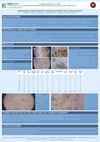
More research is needed to understand chemotherapy-induced hair loss and its phases.
16 citations
,
April 2024 in “Proceedings of the National Academy of Sciences” HDAC4 and HDAC7 are crucial for Th17 cell development and could be targeted to treat inflammatory diseases.
 2 citations
,
December 2020 in “American Journal of Dermatological Research and Reviews”
2 citations
,
December 2020 in “American Journal of Dermatological Research and Reviews” The combination therapy was effective and well-tolerated, especially in young patients.
 May 2026 in “The Journal of Headache and Pain”
 Inhibiting certain brain neurons may reduce pain and anxiety in trigeminal neuralgia.
 February 2026 in “Journal of Integrative Neuroscience”
 NGF-modified hair follicle stem cells may help treat Alzheimer's by improving brain function and reducing harmful proteins.