 January 2024 in “Wiadomości Lekarskie”
 Cell therapy is advancing with stem cell transplants and genetically modified cells improving treatment for diseases like cancer and autoimmune disorders.
 January 2024 in “Journal of Hard Tissue Biology”
 A high-fat diet may weaken tongue structure by reducing certain protein genes.
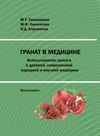
Pomegranate is beneficial in various medical fields.
 January 2024 in “Wiadomości Lekarskie”
 Using Decamethoxine and Blastomunil together speeds up wound healing.
 January 2024 in “Wiadomości Lekarskie”
 Pre-surgical embolization and a two-stage resection improve outcomes for rare sacral tumors.
 January 2024 in “Wiadomości Lekarskie”
 A multidisciplinary approach is crucial for managing Silver-Russell syndrome effectively.
 January 2024 in “Wiadomości Lekarskie”
 Countries should improve sex education, access to contraception, and legal abortion options.
 January 2024 in “Wiadomości Lekarskie”
 Rhabdomyosarcoma is the most common head and neck cancer in children, requiring complex treatment.
 January 2024 in “Wiadomości Lekarskie”
 Comprehensive treatment improved hearing in 89.7% of soldiers with blast-induced hearing loss.
 January 2024 in “Wiadomości Lekarskie”
 Ancient immune and signaling pathways still regulate blood cell development.
 January 2024 in “Wiadomości Lekarskie”
 Virtual surgical planning improves efficiency, coordination, and precision in complex surgeries.
 December 2023 in “International Journal of Advanced Research in Science, Communication and Technology”
 Semecarpus anacardium Linn. is a plant with many health benefits, including reducing inflammation, fighting cancer, and stimulating hair growth.
 November 2023 in “Deleted Journal”
 Cedrus libani has potential medicinal uses but needs more safety studies.
 November 2023 in “Curēus”
 Higher stress levels are linked to more skin problems, especially in young women.
 September 2023 in “Journal of Parasite Science”
 The dog's skin condition improved significantly after seven days of treatment.
 August 2023 in “Research Square (Research Square)”
 Two microRNAs affect hair follicle development in sheep by targeting specific genes.

More research is needed to confirm the potential of various treatments, including Helichrysum plicatum, vitamins, bromelain, personalized medications, hydrogels, and bacteriophage therapy.
 March 2023 in “Journal of pharmacognosy and phytochemistry”
 Unripe fruits of three banana species have many health-boosting compounds useful for medicine.
 February 2023 in “Journal of clinical medicine research”
 Zinc acetate hydrate may help reduce fatigue and hair loss in post-COVID-19 patients.
 January 2023 in “Wiadomości Lekarskie”
 Local antibiotic therapy can effectively treat root canal infections.
 January 2023 in “Book of Abstracts”
 COVID-19 can cause different types of hair loss, with telogen effluvium being the most common.
 October 2022 in “Journal of experimental and clinical medicine”
 Repurposing existing drugs for COVID-19 shows promise but requires more research to confirm effectiveness.
 October 2022 in “International journal of pharmaceutical sciences review and research”
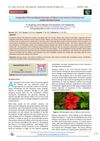
 Hibiscus leaf extract is better for diabetes, and Eclipta alba bark extract is better for antioxidants.
 August 2022 in “bioRxiv (Cold Spring Harbor Laboratory)”
 Mouse touch-sensitive nerve cells adjust their connections based on competition with other similar cells.
 January 2022 in “European Proceedings of Life Sciences”
 Understanding genetic traits can help doctors create personalized detox and nutrition plans to boost antioxidant protection.
 May 2021 in “GSC Advanced Research and Reviews”
 Hair color is influenced by genetics and can indicate certain health conditions.
 April 2021 in “Sohag Medical Journal”
 Alopecia areata is an autoimmune condition causing hair loss, linked to genetic factors and immune system issues, with no cure yet.
 December 2020 in “International Journal of Biosciences (IJB)”
 Eclipta alba shows promise for medicinal use but needs more research.
 January 2020 in “Research Portal Denmark”
 A short male anogenital distance may indicate incomplete masculinization due to disrupted androgen action.
 November 2019 in “Harper's Textbook of Pediatric Dermatology”
 The document is a detailed medical reference on skin and genetic disorders.