November 2024 in “Journal of Investigative Dermatology” Paclitaxel chemotherapy causes premature aging and damage to hair follicles, potentially leading to permanent hair loss.
 February 2021 in “Research Square (Research Square)”
 The Li-Pa/Ca and Do/Ca chemotherapy regimens for serous ovarian cancer showed better short-term and long-term results than the Pa/Ca regimen.
 3 citations
,
July 2010 in “Archives of internal medicine”
3 citations
,
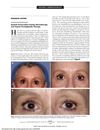
July 2010 in “Archives of internal medicine” A woman kept her eyelashes during chemotherapy possibly because of her glaucoma eye drops.
 22 citations
,
November 2005 in “BMC Cancer”
22 citations
,
November 2005 in “BMC Cancer” Gemcitabine and paclitaxel are effective and safe as first-line treatment for metastatic breast cancer.
 1 citations
,
July 2020 in “International journal of radiology & radiation therapy”
1 citations
,
July 2020 in “International journal of radiology & radiation therapy” Partial hair-sparing brain radiotherapy is possible and doesn't affect cancer control but still causes noticeable hair loss.
1 citations
,
January 2012 in “Zhongguo shiyan fangjixue zazhi” Kang'ai injection with FLO chemotherapy improves effectiveness and quality of life in advanced gastric cancer patients.
 5 citations
,
January 2004 in “Biochimie”
5 citations
,
January 2004 in “Biochimie” Arsenic trioxide effectively treats APL, improving survival rates despite its toxicity.
July 2026 in “The Human Occupation & Wellbeing Journal” Home health occupational therapy should be included before chemotherapy to improve patient care.
March 2003 in “Oncology Times” Further research is needed to develop effective cancer prevention strategies.
 108 citations
,
December 2003 in “Clinical breast cancer”
108 citations
,
December 2003 in “Clinical breast cancer” PLD is an effective and safer alternative for treating breast cancer.
 150 citations
,
March 1995 in “Annals of Oncology”
150 citations
,
March 1995 in “Annals of Oncology” Palliative chemotherapy is cost-effective for advanced gastric and colorectal cancer but not clearly for pancreatic-biliary cancer.
 11 citations
,
September 1999 in “Journal of the European Academy of Dermatology and Venereology”
11 citations
,
September 1999 in “Journal of the European Academy of Dermatology and Venereology” Immunomodulatory therapies are effective for treating cutaneous lymphoma, particularly in early stages.
 3 citations
,
November 2018 in “Oncology issues”
3 citations
,
November 2018 in “Oncology issues” Cancer survivors often experience worse skin problems from treatment than expected, and working with dermatologists could help improve their condition.
 August 2022 in “Deleted Journal”
 Nutritional education reduces chemotherapy side effects and improves health in breast cancer patients.
 8 citations
,
April 2013 in “Journal of The American Academy of Dermatology”
8 citations
,
April 2013 in “Journal of The American Academy of Dermatology” Some breast cancer patients treated with high-dose docetaxel may experience permanent hair loss.
 1 citations
,
September 2005 in “Oncology times”
1 citations
,
September 2005 in “Oncology times” Wearing a frozen glove during chemotherapy can reduce nail and skin problems but may not be comfortable for everyone.
18 citations
,
August 2008 in “Journal of Investigative Dermatology” 17-β estradiol and prednisolone may speed up hair regrowth after chemotherapy.
26 citations
,
February 2015 in “Pediatric blood & cancer” Targeted anticancer therapies in children often cause skin side effects like rash and dry skin.
7 citations
,
August 2020 in “Current topics in medicinal chemistry” New cancer treatments aim to reduce side effects and improve effectiveness.
 44 citations
,
September 2015 in “Annals of Oncology”
44 citations
,
September 2015 in “Annals of Oncology” Targeted cancer therapies have a significant but lower risk of causing hair loss compared to chemotherapy.
Chemotherapy and radiotherapy do not significantly affect obstructive sleep apnea development.
 April 2024 in “Academic dermatology”
 Dermatologists should carefully manage hair loss in cancer patients to improve their quality of life.
June 2008 in “Experimental Dermatology” 17-beta estradiol and prednisolone may help regrow hair damaged by chemotherapy.
Alkylating agents can kill cancer cells but may cause skin and allergic reactions.
 April 2017 in “Journal of Investigative Dermatology”
 Chemotherapy and radiation therapy cause skin and hair damage by altering gene expression and signaling pathways.
June 2026 in “EJC Paediatric Oncology” High-dose thiotepa and twice-daily treatments increase the risk of permanent hair loss in children receiving craniospinal irradiation.
 1 citations
,
May 2023 in “Jurnal Kedokteran Diponegoro”
1 citations
,
May 2023 in “Jurnal Kedokteran Diponegoro” Chemotherapy for prostate, bladder, and testicular cancer patients commonly causes hair loss, fatigue, and decreased appetite.
 4 citations
,
July 2020 in “BMC Complementary Medicine and Therapies”
4 citations
,
July 2020 in “BMC Complementary Medicine and Therapies” Human placenta helps hair grow back after chemotherapy by blocking cell death and increasing hair follicle growth.
The treatment was not recommended due to limited effectiveness and significant side effects.
March 2026 in “Journal of Cosmetic Dermatology” Keratinocyte Growth Factor-Hair Serum may help prevent hair loss during chemotherapy, but more research is needed.