26 citations
,
January 2018 in “Annals of dermatology/Annals of Dermatology” Hair graying may be caused by stem cell depletion from stress or melanocyte damage.
21 citations
,
January 2007 in “Journal of the European Academy of Dermatology and Venereology” Travoprost can help eyelash growth but may cause darkening around the eyes.
Different types of sun exposure damage skin cells and immune cells, with chronic exposure leading to more severe and lasting damage.
January 2006 in “Chinese Journal of Dermatology” Amelanotic melanocytes from hair follicles are immature and likely don't transfer melanosomes to keratinocytes.
 October 2021 in “QJM: An International Journal of Medicine”
 Vitiligo patients have higher hydrogen peroxide levels and lower E-cadherin, affecting skin cell adhesion and pigmentation.
 85 citations
,
July 2002 in “Pigment Cell Research”
85 citations
,
July 2002 in “Pigment Cell Research” The article concludes that while we understand a lot about how melanocytes age and how this can prevent cancer, there are still unanswered questions about certain pathways and genes involved.
54 citations
,
September 2012 in “Acta ophthalmologica” Cancer treatments can cause various eye problems, so eye doctors should know how to diagnose and treat these early.
6 citations
,
July 2005 in “Acta Ophthalmologica Scandinavica” Mitochondriopathy may cause eyelash loss.
3 citations
,
November 2022 in “Frontiers in Oncology” Melanin may help melanoma cells grow by aiding their metabolism.
44 citations
,
April 1979 in “Journal of Ultrastructure Research”  14 citations
,
January 2014 in “Cells Tissues Organs”
14 citations
,
January 2014 in “Cells Tissues Organs” Ionizing radiation causes irreversible skin damage, with single doses leading to acute injury and hair graying, and fractional doses causing more severe long-term tissue damage.
 52 citations
,
November 2003 in “Journal of Investigative Dermatology”
52 citations
,
November 2003 in “Journal of Investigative Dermatology” Different harmful mutations in the CDH3 gene cause HJMD, but symptoms vary among individuals.
217 citations
,
February 2009 in “The FASEB Journal” Gray hair is caused by hydrogen peroxide buildup, which damages hair color repair.
 1 citations
,
March 2024 in “Ophthalmic Plastic and Reconstructive Surgery”
1 citations
,
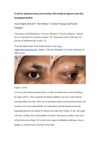
March 2024 in “Ophthalmic Plastic and Reconstructive Surgery” A pilomatrixoma in the eyebrow can cause hair loss and skin lightening.
 23 citations
,
June 2015 in “Oncology Letters”
23 citations
,
June 2015 in “Oncology Letters” Adipose-derived stem cell-conditioned medium can reduce melanoma cell growth and spread.
56 citations
,
December 2010 in “The journal of investigative dermatology/Journal of investigative dermatology” Hair follicle cells age faster and lose pigment due to less catalase, causing hair to turn gray.
 66 citations
,
December 2014 in “Nature Communications”
66 citations
,
December 2014 in “Nature Communications” Fibroblasts can be turned into melanocytes for potential skin treatments.
May 2024 in “Clinical and experimental optometry” January 2024 in “Skin Appendage Disorders” Eyelash loss can temporarily occur from chemotherapy for retinoblastoma.
 October 2023 in “Dermatology practical & conceptual”
 Hair loss might be linked to eye aging due to inflammation markers in blood.
January 2004 in “Linchuang pifuke zazhi” All-trans retinoic acid helps amelanotic melanocytes in hair follicles develop and produce pigment while reducing their growth.
7 citations
,
September 2021 in “Journal of Applied Polymer Science” Cuttlefish ink melanin protects hair from UV damage.
March 2007 in “International Journal of Cosmetic Science” Hair with more melanin resists weather damage better.
November 2021 in “CRC Press eBooks” Hair color is determined by melanin and can be affected by genetic conditions like albinism.
 30 citations
,
April 2013 in “Journal of Investigative Dermatology”
30 citations
,
April 2013 in “Journal of Investigative Dermatology” Radiation mainly affects keratinocyte stem cells, not melanocyte stem cells, causing hair to gray.
 May 2025 in “BMJ Case Reports”
 Minoxidil can cause temporary vision loss and color blindness.

New treatments for vitiligo may focus on protecting melanocyte stem cells from stress and targeting specific pathways involved in the condition.
April 2015 in “한국생물공학회 학술대회” Finasteride reduces melanin production in skin cells.
56 citations
,
September 2010 in “Veterinary pathology” Certain mouse strains develop a skin condition similar to a human hair loss disease due to genetic defects.
3 citations
,
February 2001 in “British journal of ophthalmology” An Australian with rare hair loss and eye conditions had a gene linked to both, not seen together before.