January 2022 in “Mammalian Genome” The wavy coat in NCT mice is caused by multiple genes, including a mutation in the Prss53 gene.
The curly mutation in SELH/Bc mice affects hair and may help study human genetic disorders.
33 citations
,
September 2008 in “Biochemical and Biophysical Research Communications” Hair follicles can be used to easily create neurons and glial cells for potential nerve repair.
 3 citations
,
April 2015 in “AFRICAN JOURNAL OF BIOTECHNOLOGY”
3 citations
,
April 2015 in “AFRICAN JOURNAL OF BIOTECHNOLOGY” Certain genetic markers on the Y-chromosome may influence prostate cancer risk in Iraqi males.
 144 citations
,
July 2015 in “Clinical, Cosmetic and Investigational Dermatology”
144 citations
,
July 2015 in “Clinical, Cosmetic and Investigational Dermatology” Alopecia areata is a common autoimmune disease affecting about 2% of people, causing significant disability and often associated with mental health issues and other autoimmune conditions.
5 citations
,
March 2025 in “Pediatric Dermatology” Alopecia areata in children is caused by the immune system attacking hair follicles due to genetic factors.
 2 citations
,
December 2011 in “Annales de Dermatologie et de Vénéréologie”
2 citations
,
December 2011 in “Annales de Dermatologie et de Vénéréologie” 2011 dermatological research found new skin aging markers, hair loss causes, skin defense mechanisms, and potential for new treatments.
1 citations
,
October 2023 in “BMC Genomics” miRNAs in the Dlk1-Gtl2 region may improve lamb fur quality.
January 2026 in “Preprints.org” Four new FGF5 gene variants cause long hair in dogs.
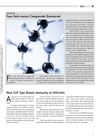 December 2011 in “Asia-Pacific biotech news”
 In 2011, there were major scientific breakthroughs in cancer treatment, immunity, Parkinson's, virus simulation, schizophrenia, hair growth, lung cancer, and medical grafts.
 254 citations
,
September 2014 in “Menopause”
254 citations
,
September 2014 in “Menopause” The NAMS 2014 recommendations guide healthcare providers on treating health issues in midlife women, emphasizing individualized care and informed decision-making.
24 citations
,
January 2018 in “Indian Journal of Dermatology, Venereology and Leprology” Androgenetic alopecia is mainly caused by genetic factors and increased androgen activity, leading to hair follicle miniaturization.
 16 citations
,
December 2001 in “Dermatologic Therapy”
16 citations
,
December 2001 in “Dermatologic Therapy” Alopecia areata has a complex genetic basis that was not fully understood as of 2001.
 4 citations
,
November 2017 in “Cancer Causes & Control”
4 citations
,
November 2017 in “Cancer Causes & Control” Men who start balding at age 20 may have a higher chance of getting aggressive prostate cancer.
3 citations
,
August 2023 in “Genes” The document concludes that various signaling pathways and genetic factors are crucial for chicken feather development, affecting poultry quality.
2 citations
,
July 2024 in “International Journal of Molecular Sciences” Csdc2 helps hair growth in cashmere goats by regulating specific genes.
May 2026 in “ACS Catalysis” Efficient enzyme function relies on specific residue interactions and structural coordination.
October 2022 in “Hair Transplantation” Male pattern hair loss is mainly caused by genetics and hormones, especially DHT.
 532 citations
,
August 2011 in “Journal of the American Academy of Dermatology”
532 citations
,
August 2011 in “Journal of the American Academy of Dermatology” Vitiligo is a skin condition causing white spots, more common in women, often starts before age 20, and can affect mental health.
Genetic analysis of rabbits identified key genes for traits like coat color, body size, and fertility.
 October 2022 in “Medičnì perspektivi”
 Darier-White disease causes skin and nail issues, starts around age 20, worsens until 40-50, and has poor treatment options.
 August 2023 in “Jurnal Pharmacia Mandala Waluya”
 Albizia saponaria bark extract at 20% concentration promotes hair growth in rabbits.
 1 citations
,
November 1983 in “The Lancet”
1 citations
,
November 1983 in “The Lancet” Acute leukemias with the Philadelphia chromosome may be biphenotypic, and identifying this is important for proper treatment.
 June 2023 in “SPIRE - Sciences Po Institutional REpository”
 Extracellular vesicles and androgen receptors may help identify prostate cancer resistance and reduce SARS-CoV-2 infection.
 20 citations
,
February 2004 in “Clinical and Experimental Ophthalmology”
20 citations
,
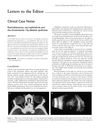
February 2004 in “Clinical and Experimental Ophthalmology” Eye exams are crucial for kids with 13q deletion syndrome, tamoxifen can cause vision loss, Propecia may lead to cataracts, Lipoid Proteinosis causes skin bumps, and OCT is useful for diagnosing macular diseases.
 13 citations
,
February 2004 in “Clinical and Experimental Ophthalmology”
13 citations
,
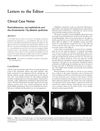
February 2004 in “Clinical and Experimental Ophthalmology” A baby boy with 13q deletion syndrome had eye cancer, a woman's vision improved after stopping a breast cancer drug, a man developed cataracts from using Propecia, and a rare skin disorder called Lipoid Proteinosis was discussed. Also, a tool called OCT is useful for diagnosing macular diseases.
 11 citations
,
February 2004 in “Clinical and Experimental Ophthalmology”
11 citations
,
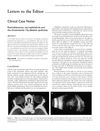
February 2004 in “Clinical and Experimental Ophthalmology” Taking Propecia might lead to the development of cataracts.
 9 citations
,
February 2004 in “Clinical and Experimental Ophthalmology”
9 citations
,
February 2004 in “Clinical and Experimental Ophthalmology” The document discusses various eye conditions and their treatments, including a rare eye cancer in a baby, vision loss from a cancer drug, cataracts from a baldness treatment, a rare skin disorder, and a specific type of eye disease diagnosed with a special imaging technique.
 7 citations
,
February 2004 in “Clinical and Experimental Ophthalmology”
7 citations
,
February 2004 in “Clinical and Experimental Ophthalmology” Finasteride, often used for hair loss, can potentially cause cataracts.
 5 citations
,
February 2004 in “Clinical and Experimental Ophthalmology”
5 citations
,
February 2004 in “Clinical and Experimental Ophthalmology” Multiple eye conditions were studied, highlighting the importance of various imaging methods for diagnosis, the vision side effects of drugs tamoxifen and Propecia, and the usefulness of optical coherence tomography for diagnosing and monitoring macular and retinal diseases.