December 2021 in “IP Indian journal of clinical and experimental dermatology” PRP therapy significantly improved hair growth in a girl with chronic alopecia areata.
15 citations
,
January 2014 in “Hair therapy & transplantation” Platelet-Rich Plasma treatment has limited and temporary effects on severe Alopecia Areata and does not prevent relapses.
 May 2024 in “World Journal Of Advanced Research and Reviews”
 Low iron levels are strongly linked to chronic hair loss in women.
November 2020 in “Research Square (Research Square)” Chronic scarring alopecia is common in SLE patients and needs early detection and management.
4 citations
,
October 2018 in “JAMA Dermatology” Ruxolitinib may help treat hair loss and symptoms in patients with chronic graft-versus-host disease.
 27 citations
,
March 2018 in “Allergy and asthma proceedings”
27 citations
,
March 2018 in “Allergy and asthma proceedings” People with alopecia areata often have higher rates of allergies and autoimmune diseases.
 27 citations
,
September 2014 in “JAMA dermatology”
27 citations
,
September 2014 in “JAMA dermatology” Female donor to male recipient sex mismatch and positive ACA-IgG are key risk factors for vitiligo and alopecia areata in chronic GvHD patients.
20 citations
,
February 2004 in “Clinical & Experimental Immunology” SADBE treatment led to complete hair regrowth in mice with alopecia areata by altering immune cell movement.
 17 citations
,
June 2016 in “Croatian Medical Journal”
17 citations
,
June 2016 in “Croatian Medical Journal” Patients with chronic graft-versus-host disease often have skin problems like vitiligo and alopecia areata.
11 citations
,
May 2019 in “Journal of Medical Primatology” Alopecia in rhesus macaques is linked to pregnancy, not stress.
11 citations
,
January 2019 in “Acta Dermato Venereologica” Omalizumab may cause hair loss.
 8 citations
,
August 2014 in “Clinical and Experimental Dermatology”
8 citations
,
August 2014 in “Clinical and Experimental Dermatology” CTE and FPHL are different hair loss types with unique causes.
8 citations
,
January 2013 in “European Journal of Dermatology” Alitretinoin may help treat alopecia areata.
6 citations
,
April 2012 in “Muscle & nerve” Recognizing the link between certain autoimmune disorders and neurological conditions can improve diagnosis and treatment.
 6 citations
,
December 1997 in “Journal of The American Academy of Dermatology”
6 citations
,
December 1997 in “Journal of The American Academy of Dermatology” CTE can distort results in hair growth trials, so exclude it carefully.
 January 2026 in “Journal of Homeopathy Studies”
 Homeopathic treatment improved hair growth and emotional well-being in a young female with alopecia areata.
 July 2024 in “The Journal of Dermatology”
 A rare case shows alopecia areata and ITP occurring together, needing more research.
 February 2024 in “Journal of Pakistan Medical Association”
 Low zinc levels in hair and serum are linked to chronic hair loss.
 January 2023 in “Voennaâ medicina”
 Hair loss in women can improve with iron and vitamin supplements if caused by iron deficiency.
 September 2017 in “Majallah-i taḥqīqāt-i ̒ulūm-i pizishkī-i Zāhidān”
 Androgenetic alopecia is a long-term, immune-related disorder that starts during puberty due to androgen secretion, and it might be improved with iron tablets, platelet transfusion, and anti-inflammation therapy.
 1 citations
,
January 2013 in “Mayo Clinic Proceedings”
1 citations
,
January 2013 in “Mayo Clinic Proceedings” A woman's chronic headaches and hair loss were cured by treating her syphilis.
 40 citations
,
April 2013 in “Dermato-endocrinology”
40 citations
,
April 2013 in “Dermato-endocrinology” People with chronic Alopecia Areata often have lower vitamin D levels.
 3 citations
,
March 2020 in “International Journal of Dermatology”
3 citations
,
March 2020 in “International Journal of Dermatology” Tildrakizumab showed limited effectiveness in treating chronic alopecia areata in a small group of patients.
10 citations
,
June 2019 in “Dermatologic therapy” DPCP alone is more effective and safer for treating chronic extensive alopecia areata than combining it with anthralin.
 January 2026 in “Medico Research Chronicles”
 Homeopathic treatment improved hair loss after other methods failed.
January 2006 in “The Year book of dermatology”  27 citations
,
April 2005 in “Journal of Chemotherapy”
27 citations
,
April 2005 in “Journal of Chemotherapy” Some patients may experience temporary total hair loss from hepatitis C treatment with PEG-interferon and ribavirin.
 September 2017 in “Journal of Dermatology & Cosmetology”
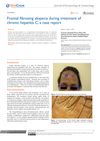
 Hepatitis C treatment may cause frontal fibrosing alopecia.
26 citations
,
June 1988 in “PubMed” 3% topical minoxidil is ineffective for severe chronic alopecia areata.
 October 2025 in “International Journal of Risk & Safety in Medicine”
 Oral tofacitinib successfully treated a girl's severe skin and hair conditions.