 9 citations
,
May 2013 in “JAMA Dermatology”
9 citations
,
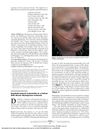
May 2013 in “JAMA Dermatology” A woman's hair turned white after taking a cancer drug called dasatinib.
 16 citations
,
March 2013 in “JAMA Dermatology”
16 citations
,
March 2013 in “JAMA Dermatology” A cancer drug called nilotinib might cause hair loss due to inflammation around hair follicles.
 9 citations
,
May 2013 in “JAMA Dermatology”
9 citations
,
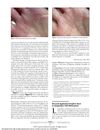
May 2013 in “JAMA Dermatology” Sunlight exposure improved a patient's skin condition, and there may be a link between a certain disease and skin growths; a leukemia treatment caused changes in hair color and growth.
10 citations
,
August 2016 in “Dermatology Online Journal” Nilotinib can cause skin issues like red bumps and hair loss.
 68 citations
,
September 2003 in “British Journal of Dermatology”
68 citations
,
September 2003 in “British Journal of Dermatology” Shrinking skin cancer increases the chance of cancer in nearby lymph nodes.
 32 citations
,
September 2015 in “Dermatology”
32 citations
,
September 2015 in “Dermatology” Certain leukemia drugs can cause severe skin reactions that may require stopping treatment.
 January 2025 in “Dermatology Review”
 Giant keratoacanthoma can look like squamous cell carcinoma, requiring careful diagnosis and surgical removal.
 9 citations
,
January 2018 in “Acta Clinica Croatica”
9 citations
,
January 2018 in “Acta Clinica Croatica” Bendamustine, often combined with other drugs, is effective and less toxic for certain blood cancers, but less effective for young, fit patients with CLL.
December 2023 in “Journal of clinical medicine” Some leukemia treatments can cause skin reactions similar to keratosis pilaris.
4 citations
,
January 2014 in “Bone marrow transplantation” Alopecia areata can be transferred through stem cell transplants from affected siblings.
 1 citations
,
November 1983 in “The Lancet”
1 citations
,
November 1983 in “The Lancet” Acute leukemias with the Philadelphia chromosome may be biphenotypic, and identifying this is important for proper treatment.
4 citations
,
September 2010 in “Journal of Medical Case Reports” A man developed autoimmune issues after a transplant, improved with treatment, but died from leukemia relapse.
 68 citations
,
November 2011 in “The American journal of pathology”
68 citations
,
November 2011 in “The American journal of pathology” Abnormal Hedgehog signaling in blood cancers may help tumors grow and resist chemotherapy, suggesting potential for targeted treatments.
 8 citations
,
July 1996 in “Annals of Internal Medicine”
8 citations
,
July 1996 in “Annals of Internal Medicine” Itraconazole may cause low platelet and white blood cell counts.
 27 citations
,
September 2014 in “JAMA dermatology”
27 citations
,
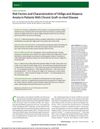
September 2014 in “JAMA dermatology” Female donor to male recipient sex mismatch and positive ACA-IgG are key risk factors for vitiligo and alopecia areata in chronic GvHD patients.
 12 citations
,
December 2002 in “Archives of Dermatology”
12 citations
,
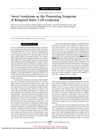
December 2002 in “Archives of Dermatology” Sweet syndrome can be the only sign of hairy cell leukemia relapse.
Treatments for acute leukaemia lead to high remission rates, but relapses occur, requiring ongoing advancements in care.
 34 citations
,
August 2002 in “British Journal of Dermatology”
34 citations
,
August 2002 in “British Journal of Dermatology” ALA-PDT is effective and safe for chronic X-ray dermatitis, providing complete or partial remission.
 58 citations
,
April 2012 in “Journal of the American Academy of Dermatology”
58 citations
,
April 2012 in “Journal of the American Academy of Dermatology” Graft-versus-host disease is a complication where donor immune cells attack the recipient's body, often affecting the skin, liver, and gastrointestinal tract.
 7 citations
,
March 2018 in “Journal of The American Academy of Dermatology”
7 citations
,
March 2018 in “Journal of The American Academy of Dermatology” Skin changes like hair loss, white patches, and nail changes are common in children after bone marrow transplants, often linked to chronic rejection.
 13 citations
,
February 2010 in “Stem Cell Reviews and Reports”
13 citations
,
February 2010 in “Stem Cell Reviews and Reports” Stem cells compete for space using cell adhesion, and mutations can affect their competitive success, with implications for tissue health and disease.
 50 citations
,
November 2010 in “Otolaryngologic Clinics of North America”
50 citations
,
November 2010 in “Otolaryngologic Clinics of North America” Recognizing oral symptoms can help diagnose and treat blood and nutritional diseases early.
 44 citations
,
August 1996 in “Drugs & Aging”
44 citations
,
August 1996 in “Drugs & Aging” Mitoxantrone is effective for treating acute leukemia, especially in older patients, with a lower risk of heart damage.
 2 citations
,
January 2019 in “Springer eBooks”
2 citations
,
January 2019 in “Springer eBooks” The conclusion is that different blood diseases cause specific oral symptoms and require varied treatments to manage these symptoms and improve patient health.
 January 2018 in “General internal medicine and clinical innovations”
 Busulfan/cyclophosphamide and total bone irradiation are equally effective for AML transplants.
 125 citations
,
May 2019 in “Phytomedicine”
125 citations
,
May 2019 in “Phytomedicine” Cepharanthine is a well-tolerated drug with multiple medical uses, including anti-inflammatory and anti-cancer properties.
 14 citations
,
January 2006 in “Skinmed”
14 citations
,
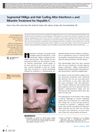
January 2006 in “Skinmed” A woman developed white patches on her skin and curly hair after hepatitis C treatment, likely due to the medication interferon alpha.

The document provides 70 multiple choice questions to improve haematology skills.

The document tests knowledge and decision-making in hematology through multiple-choice questions.
 139 citations
,
February 2010 in “The journal of allergy and clinical immunology/Journal of allergy and clinical immunology/The journal of allergy and clinical immunology”
139 citations
,
February 2010 in “The journal of allergy and clinical immunology/Journal of allergy and clinical immunology/The journal of allergy and clinical immunology” Transplant success has improved with better immunosuppressive drugs and donor matching.