 January 2023 in “Indian dermatology online journal”
 Skin problems after waxing led to a sarcoidosis diagnosis.
72 citations
,
March 2023 in “Biomolecules” Dupilumab effectively treats various inflammatory skin diseases beyond its initial use for atopic dermatitis.
6 citations
,
September 2024 in “Journal of Clinical Medicine” Thyroid and skin autoimmune diseases share genetic and immune links, affecting both tissues.
March 2025 in “International Journal of Clinical Dermatology” Psychodermatosis is reclassified based on brain-skin interaction, dividing conditions into psychogenic and psychosomatic categories.
 February 2024 in “Curēus”
 A balanced diet with proteins, vitamins, and minerals is crucial for managing skin disorders.
January 2024 in “Biomedicines” The review shows that skin symptoms like chronic fungal infections, hair loss, and skin depigmentation are key for early detection and management of APECED.
 May 2023 in “British Journal of Dermatology”
 COVID-19 can cause long-term skin problems and has changed how skin doctors work.
6 citations
,
October 2024 in “Journal of Family Medicine and Primary Care” Primary care doctors need to monitor JAK and TYK-2 inhibitors carefully for skin conditions.
1 citations
,
January 2022 in “Skin appendage disorders” DCPA is a chronic skin condition affecting the legs, often misdiagnosed, and needs more research for better understanding and treatment.
 December 2025 in “Indian Journal of Case Reports”
 Stopping azathioprine improved hair loss and bone marrow issues.

Early diagnosis and treatment of Lichen Planopilaris are crucial to prevent permanent hair loss.
 January 2025 in “Вопросы современной педиатрии”
 Janus kinase inhibitors effectively treat alopecia areata but may cause relapses and have long-term safety concerns.
 January 2024 in “Frontiers in immunology”
 Histone modification is key in treating chronic inflammatory skin diseases.
 July 2023 in “The Egyptian Journal of Hospital Medicine ”
 Alopecia areata is a hair loss condition caused by immune factors and can be treated with JAK inhibitors.
8 citations
,
July 2024 in “Children” Biologics and targeted therapies could improve treatment for children with certain chronic skin conditions.
 June 2025 in “SAS Journal of Medicine”
 Early diagnosis of tufted hair is crucial for managing folliculitis decalvans, a chronic scalp condition.
 184 citations
,
February 2015 in “EBioMedicine”
184 citations
,
February 2015 in “EBioMedicine” A patient with Alopecia Areata had complete hair regrowth after using the drug baricitinib.
 April 2023 in “Journal of Cutaneous and Aesthetic Surgery”
 Using different hair loss treatments at various times can improve results and reduce side effects for people with chronic hair loss.
 January 2026 in “Acta Dermatovenerologica Alpina Pannonica et Adriatica”
 Accurate diagnosis is crucial for effectively treating severe alopecia and related symptoms.
 41 citations
,
July 2015 in “Clinical and Experimental Dermatology”
41 citations
,
July 2015 in “Clinical and Experimental Dermatology” Psoriasis can cause temporary or permanent hair loss.
 9 citations
,
January 2016 in “Journal of cosmetology & trichology”
9 citations
,
January 2016 in “Journal of cosmetology & trichology” Fractional laser treatment helped hair regrowth in patients with alopecia areata.
 4 citations
,
January 2012 in “Elsevier eBooks”
4 citations
,
January 2012 in “Elsevier eBooks” The document concludes that various skin conditions have specific treatments, ranging from antihistamines for urticaria to surgery and medication for tumors and chronic skin diseases.
 April 2019 in “Journal of the Dermatology Nurses’ Association”
 A 37-year-old man with hair loss and skin issues was successfully treated with oral antibiotics, highlighting the need for early treatment. Long-term care includes low-dose antibiotics and avoiding caps and wigs.
 8 citations
,
September 2016 in “The American Journal of Dermatopathology”
8 citations
,
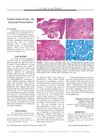
September 2016 in “The American Journal of Dermatopathology” Enlarged sweat gland ducts may indicate scarring hair loss.
 January 2018 in “SOJ microbiology & infectious diseases”
 Etanercept, a psoriasis treatment, caused hair loss in a patient.

Alopecia areata often starts around age 23, can be permanent in 30% of cases, and treatments are usually temporary.
 51 citations
,
January 2014 in “Pediatric Clinics of North America”
51 citations
,
January 2014 in “Pediatric Clinics of North America” The guide explains how to identify and treat children's hair loss, including fungal infections, autoimmune disorders, hairstyle changes, self-correcting conditions, and behavioral therapy for hair-pulling.
 September 2015 in “Actas Dermo-Sifiliográficas”
 People with advanced chronic kidney disease often have skin problems, which can be treated with various medications and procedures to improve their quality of life.
 January 2024 in “Dermatologic therapy”
 AKN is a chronic scalp condition in African-descended males, treated with topicals, antibiotics, steroids, and sometimes surgery or laser.
 April 2026 in “Metabolites”
 Chronic skin diseases and metabolic syndrome are linked by shared inflammation pathways.