 7 citations
,
January 2015 in “Genetics and molecular research”
7 citations
,
January 2015 in “Genetics and molecular research” The RORα gene is active in different parts of cashmere goat hair follicles and may be influenced by melatonin, especially in December when hair growth changes.
September 2024 in “Journal of the American Academy of Dermatology” Seborrheic dermatitis affects quality of life and sleep, linked to stress and nervous system changes.
1 citations
,
April 2001 in “Biological Rhythm Research” Deuterium oxide extends the hair cycle duration in mice without changing hair structure.
January 2023 in “Zenodo (CERN European Organization for Nuclear Research)” PCOS is a major health issue affecting multiple hormone-producing organs.
 28 citations
,
January 2003 in “Skin pharmacology and physiology”
28 citations
,
January 2003 in “Skin pharmacology and physiology” Melatonin affects skin cell growth differently based on how much and how long it's used.
January 2018 in “Figshare” Melatonin helps Cashmere goat hair follicles grow by affecting genes and cell signals important for their development and environment.
January 2013 in “University Libraries (University of Maryland)” Selenium helps protect cells from aging and damage, especially under stress.
 16 citations
,
April 2012 in “Gynecological Endocrinology”
16 citations
,
April 2012 in “Gynecological Endocrinology” Older obese women with PCOS have higher cardiovascular and metabolic risks despite lower androgen levels.
 688 citations
,
June 2007 in “Cell Stem Cell”
688 citations
,
June 2007 in “Cell Stem Cell” Removing the ATR gene in adult mice causes rapid aging and stem cell loss.
61 citations
,
September 1970 in “Journal of the American Geriatrics Society” Anabolic steroids may help prevent aging effects by reducing toxicity, not by their usual functions.
October 2025 in “Journal of the Endocrine Society” Hormonal imbalances can cause heart rhythm issues, so checking hormone levels is crucial.
 June 2026 in “Cell Regeneration”
 The olfactory epithelium can regenerate throughout life, aided by specific cells, genes, and new research methods.
 85 citations
,
July 2002 in “Pigment Cell Research”
85 citations
,
July 2002 in “Pigment Cell Research” The article concludes that while we understand a lot about how melanocytes age and how this can prevent cancer, there are still unanswered questions about certain pathways and genes involved.
 13 citations
,
May 1993 in “International Journal of Dermatology”
13 citations
,
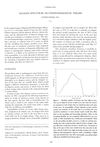
May 1993 in “International Journal of Dermatology” The paper suggests that telogen effluvium, a type of hair loss, may be a long-lasting condition triggered by stress or illness in people whose hair growth is unusually synchronized.
9 citations
,
January 2005 in “Experimental Dermatology” Human hair follicles can produce stress hormones like the body's main stress response system.
1 citations
,
September 2016 in “Brain Behavior and Immunity” Hair cortisol levels can indicate stress and are affected by washing frequency, not cosmetic treatments.
2 citations
,
October 2024 in “Archives of Dermatological Research” 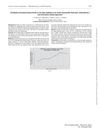 October 2022 in “European heart journal”
 Higher stress levels were found about two weeks before a heart attack.
2 citations
,
August 2022 in “genesis” Intravital imaging advances help study bone and dental stem cells in real-time, despite technical challenges.
23 citations
,
April 2010 in “Comparative Biochemistry and Physiology Part C Toxicology & Pharmacology” The piRNA pathway genes are crucial in early development and may influence sex differentiation through hormone regulation.
December 2025 in “Pharmaceutics” Personalized skin rejuvenation using genomics shows promise but needs more research.
 9 citations
,
June 2020 in “BMC Molecular and Cell Biology”
9 citations
,
June 2020 in “BMC Molecular and Cell Biology” Stress hormone CRF can cause hair loss by affecting hair growth cells and hormones.
July 1993 in “Journal of Radioanalytical and Nuclear Chemistry” Mouse hair element patterns vary, making it unreliable for tracking time.
 July 2026 in “Clinical Cosmetic and Investigational Dermatology”
 Poor sleep and high stress are linked to skin, scalp, and hair problems.
 April 2021 in “Journal of Investigative Dermatology”
 Stem cells control their future role by changing ERK signal timing, affecting tissue regeneration and cancer.
10 citations
,
October 2018 in “Journal of molecular and cellular cardiology/Journal of Molecular and Cellular Cardiology” The gene NM_026333 slows down aging by affecting the NCX1 pathway and could be targeted for anti-aging treatments.
 2 citations
,
April 2019 in “Experimental Dermatology”
2 citations
,
April 2019 in “Experimental Dermatology” The article concludes that studying how skin forms is key to understanding skin diseases and improving regenerative medicine.
 January 2023 in “International journal of medical science and health research”
 Anovulatory PCOS patients are younger with longer cycles and higher blood pressure and hormone levels.
27 citations
,
September 2013 in “The FASEB Journal” Losing Memo protein shortens lifespan and affects health.
17 citations
,
February 2020 in “Cell and Tissue Banking”