 21 citations
,
January 2005 in “Pediatric Dermatology”
21 citations
,
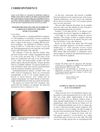
January 2005 in “Pediatric Dermatology” An 8-year-old girl with vitiligo developed extra hair growth on her knee after using tacrolimus ointment.
 June 2019 in “International journal of dermatology and venereology”
 A man developed skin issues from cancer medication, which improved with specific treatments.
17 citations
,
December 1997 in “Transplantation” Tacrolimus can cause hair loss in kidney transplant patients.
Combining pentoxifylline with corticosteroids improves alopecia areata treatment.
1 citations
,
April 2007 in “PubMed” Tacrolimus helps mice grow hair by activating hair follicles.
14 citations
,
January 2016 in “Annals of dermatology/Annals of Dermatology” Oral cyclosporine is more effective and safer than betamethasone for treating alopecia areata.
1 citations
,
April 2016 in “Journal of Investigative Dermatology” Zinc deficiency causes reversible hair loss by disrupting hair growth and stem cell function.
1 citations
,
February 2025 in “International Journal of Dermatology” Abrocitinib may effectively treat Lichen Planopilaris.
46 citations
,
September 2011 in “British journal of dermatology/British journal of dermatology, Supplement” Effective dandruff treatment requires delivering antifungal agents to the scalp follicular infundibulum.
 2 citations
,
January 2019 in “Indian Journal of Pharmaceutical Sciences”
2 citations
,
January 2019 in “Indian Journal of Pharmaceutical Sciences” Zinc chloride can cause human scalp cells to multiply and die.
6 citations
,
November 1990 in “DICP” July 2023 in “Zenodo (CERN European Organization for Nuclear Research)” Ketoconazole effectively treated a scalp infection in a 6-year-old boy, leading to full recovery.
Antiandrogen treatment helps reduce hair follicles and sebaceous glands in hirsute women.
1 citations
,
March 2022 in “Journal of The American Academy of Dermatology” Adjusting minoxidil dosage may be safer than using bicalutamide for hair loss in women.
 January 2022 in “Social Science Research Network”
 A new patch that releases quercetin, copper, and zinc ions under the skin can effectively treat hair loss by promoting hair follicle regeneration.
 16 citations
,
January 2019 in “Skin appendage disorders”
16 citations
,
January 2019 in “Skin appendage disorders” Intralesional corticosteroids work best for mild alopecia areata, and DPCP works best for moderate to severe cases.
October 2025 in “Australasian Journal of Dermatology” Bimekizumab effectively treated a man's chronic beard hair loss.
 December 2005 in “Journal of the American Academy of Physician Assistants”
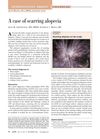
 The woman was diagnosed with lichen planopilaris and can be treated with corticosteroids.
6 citations
,
January 1977 in “Archives of dermatological research”  February 2024 in “PloS one”
 Tofacitinib and adalimumab are promising treatments for cicatricial alopecia with few side effects.
December 2020 in “Jurnal RSMH Palembang (Online)” A man with a fungal scalp infection got better after treatment with griseofulvin, cetirizine, and ketoconazole shampoo.
2 citations
,
October 2022 in “Dermatologic Therapy” Baricitinib may effectively treat lichen planopilaris.
10 citations
,
March 2008 in “Journal of Zoo and Wildlife Medicine” A special clotrimazole varnish cured a siamang's persistent skin infection after 3 months.
2 citations
,
January 2022 in “JAAD Case Reports” The rash resolved after stopping ponatinib.
 April 2012 in “Informa Healthcare eBooks”
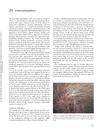
 Lichen planopilaris is a rare, chronic condition causing hair loss, mainly in middle-aged women, and early treatment is important to prevent permanent baldness.
January 2024 in “Revista del Centro Dermatológico Pascua” Avoiding damage and using specific shampoo and supplements improved the hair condition.
December 2017 in “Journal of Pigmentary Disorders”  4 citations
,
January 2011 in “International Journal of Trichology”
4 citations
,
January 2011 in “International Journal of Trichology” Accidental findings have led to new hair treatment discoveries, like using blood pressure and diabetes medications for hair loss and unwanted hair.
 March 2022 in “Journal of health sciences and medicine”
 Azelaic acid and permethrin both effectively kill the skin mite Demodex folliculorum in a lab setting.
 21 citations
,
June 2017 in “Journal of The American Academy of Dermatology”
21 citations
,
June 2017 in “Journal of The American Academy of Dermatology” Topical DPCP is somewhat effective for hair loss in alopecia areata, but more research is needed.