 February 2013 in “Journal of the American Academy of Dermatology”
 A woman's hair loss looked like a different condition due to her hairstyle, and treatment stopped further hair loss but didn't regrow hair.
 May 2010 in “Journal of the Dermatology Nurses' Association”
 Cicatricial alopecia causes permanent hair loss and is treated to relieve symptoms and stop progression.
February 2010 in “Faculty Opinions – Post-Publication Peer Review of the Biomedical Literature” Fluphenazine and iloprost can induce hair growth.
 January 2007 in “Journal of the American Academy of Dermatology”
 A 73-year-old man's grey-white hair turned dark brown after eczema treatment.
 January 2007 in “Elsevier eBooks”
 Alopecia areata is a reversible, autoimmune-related hair loss that can have significant emotional impact and uncertain treatment effectiveness.
Tacrolimus causes fewer acute rejections than cyclosporin A in kidney transplants but doesn't necessarily improve kidney function after one year; cardiovascular risks and side effects vary between the two drugs.
July 2002 in “Journal of applied cosmetology” Hair growth issues can be linked to genetics, diseases, or medications, and new treatments are being developed.
 August 1994 in “Journal of dermatological science”
 Different substances affect hair and skin cell growth in various ways, with some promoting and others inhibiting cell proliferation.
 January 1989 in “Side effects of drugs annual”
 Some cancer and immune system drugs can cause serious side effects, including heart, lung, nerve, and organ damage, which need careful monitoring and management.
 July 1988 in “Journal of The American Academy of Dermatology”
 Various dermatologic treatments were effective for skin conditions like acne, rosacea, hair loss, and psoriasis from December 1986 to December 1987.
 January 2022 in “Clinical Cases in Dermatology”
 A 62-year-old woman with hair loss and scalp itching was diagnosed with lichen planopilaris, treated initially with topical corticosteroids, and other possible treatments include systemic steroids, antimalarials, and more.
60 citations
,
February 1992 in “British Journal of Dermatology” Serum from alopecia patients does not stop hair growth in grafted skin on mice.
30 citations
,
December 2009 in “The FASEB Journal” Fluphenazine and iloprost can induce hair growth.
28 citations
,
January 1996 in “Skin Pharmacology and Physiology” Minoxidil boosts hair cell growth, while cyclosporin does not.
 21 citations
,
October 2009 in “Biochemical Engineering Journal”
21 citations
,
October 2009 in “Biochemical Engineering Journal” Stem cell therapy is a promising approach for hair regrowth despite potential side effects.
 5 citations
,
July 1991 in “Irish Journal of Medical Science (1971 -)”
5 citations
,
July 1991 in “Irish Journal of Medical Science (1971 -)” Immunosuppressive therapy helps manage autoimmune diseases but carries risks like infection and potential for malignancy.
 4 citations
,
September 2018 in “The Journal of Dermatology”
4 citations
,
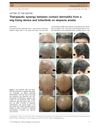
September 2018 in “The Journal of Dermatology” A man's hair regrew from alopecia areata after using tofacitinib and experiencing contact dermatitis from a wig device.
 4 citations
,
January 2011 in “International Journal of Trichology”
4 citations
,
January 2011 in “International Journal of Trichology” Accidental findings have led to new hair treatment discoveries, like using blood pressure and diabetes medications for hair loss and unwanted hair.
 3 citations
,
February 2021 in “Experimental dermatology”
3 citations
,
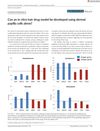
February 2021 in “Experimental dermatology” Dermal papilla microtissues could be useful for initial hair growth drug testing.
Alopecia universalis from alemtuzumab in multiple sclerosis can be reversed with specific treatments.
 November 2022 in “Journal of Investigative Dermatology”
 The medicine Cyclosporin A might cause excessive hair growth by reducing a protein that controls hair growth.
January 2022 in “The Pan African medical journal” Hypertrichosis causes excessive hair growth and needs psychological support due to its impact on self-esteem.
January 2016 in “Çağdaş tıp dergisi” Topical 1% pimecrolimus effectively treated alopecia areata.
 November 2008 in “Medical & surgical dermatology”
 A device was made in 2008 to measure hair loss severity. Other findings include: frizzy mutation in mice isn't related to Fgfr2, C/EBPx marks preadipocytes, Cyclosporin A speeds up hair growth in mice, blocking plasmin and metalloproteinases hinders healing, hyperbaric oxygen helps ischemic wound healing, amniotic membranes heal wounds better than polyurethane foam, rhVEGF165 from a fibrin matrix improves tissue flap viability and induces VEGF-R2 expression, and bFGF enhances wound healing and reduces scarring in rabbits.
March 1997 in “The Lancet” Hirsutism is abnormal male-pattern hair growth in females due to excess androgens.
 August 1994 in “Journal of dermatological science”
 Different substances affect hair and skin cell growth in various ways.
 August 1994 in “Drugs & Therapy Perspectives”
 Psoriasis treatments range from topical creams to systemic medications with serious side effects, and while treatments can manage symptoms, there is no cure.
 May 1994 in “Reactions Weekly”
 Many medications can cause hair loss or excessive hair growth, which is usually reversible after stopping the drug.
January 1989 in “Handbook of experimental pharmacology” Drugs can change hair growth and this is important because it can upset people.
 August 1993 in “Journal of Dermatological Science”
 Testosterone metabolism in balding scalp cells may not be the main cause of hair loss.