 August 2023 in “The Kitakanto Medical Journal”
 Image analysis can effectively identify changes in scalps affected by chemotherapy-induced hair loss.
 1 citations
,
March 2015 in “Journal of the European Academy of Dermatology and Venereology”
1 citations
,
March 2015 in “Journal of the European Academy of Dermatology and Venereology” A clinically suspected melanoma appeared benign under the microscope but was confirmed by specific tests and a rare mutation.
 November 2025 in “International Journal of Science and Research Archive”
 Oxidative dyes damage hair more than semi-permanent dyes, but new technologies help protect hair while coloring.
 November 2023 in “Journal of the American Academy of Dermatology”
 Skin of color can spontaneously repigment after a phenol-croton oil chemical peel.
August 2024 in “Journal of the National Medical Association” ChatGPT is more accurate at diagnosing hair disorders in lighter skin tones than darker ones.
 October 2023 in “Skin research and technology”
 The 675 nm laser effectively improved facial acne scars in dark skin with minimal side effects.
38 citations
,
June 2005 in “Acta Biochimica Polonica” Splenic eumelanin in C57BL/6 mice is different from hair eumelanin.

The conclusion cannot be provided because the document is not accessible.
 15 citations
,
November 2015 in “Trends in biotechnology”
15 citations
,
November 2015 in “Trends in biotechnology” Gene regulation could revolutionize hair color by altering pigmentation from within.
January 2016 in “International archives of medicine” Hair coloring is strongly linked to hair damage and scalp problems.
 21 citations
,
January 1995 in “Journal of the American Institute for Conservation”
21 citations
,
January 1995 in “Journal of the American Institute for Conservation” A new method extracts red dyes from wool without damaging it, although it slightly weakens the wool.
 May 2014 in “Transfusion and Apheresis Science”
 The study found that the quality of cord blood units remains consistent before freezing and after thawing, indicating that attached tube segments reliably represent the graft's properties.
2 citations
,
June 2020 in “Journal of Investigative Dermatology” 3D imaging of skin biopsies offers better accuracy but is time-consuming and can't clear melanin.
 1 citations
,
March 2019 in “Chinese Medical Journal”
1 citations
,
March 2019 in “Chinese Medical Journal” Researchers identified potential markers for human hair color stem cells.
2 citations
,
November 2023 in “Skin Research and Technology” RCM and dermoscopy help identify different types of hair loss in children.
 19 citations
,
November 1971 in “Clinica Chimica Acta”
19 citations
,
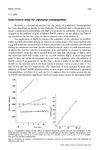
November 1971 in “Clinica Chimica Acta” The document concludes that measuring γ-glutamyl transpeptidase activity is more accurate with a higher substrate concentration and using diluted acetic acid to stop the reaction.
25 citations
,
February 2023 in “Aesthetic Surgery Journal” Photobiomodulation is safe for skin rejuvenation, even for those with a cancer history.
97 citations
,
December 2021 in “Cells” Designing effective fluorescence microscopy experiments requires careful consideration of hardware, biological models, and imaging agents.
 9 citations
,
May 2013 in “JAMA Dermatology”
9 citations
,
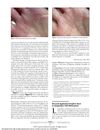
May 2013 in “JAMA Dermatology” Sunlight exposure improved a patient's skin condition, and there may be a link between a certain disease and skin growths; a leukemia treatment caused changes in hair color and growth.

Limbal Mesenchymal Stem Cell Secretome might help heal eye injuries by reducing inflammation and promoting tissue repair.
140 citations
,
August 2010 in “Pigment Cell & Melanoma Research” We know a lot about mouse hair color, but not much about human hair color differences.
11 citations
,
August 1987 in “Archives of Dermatology” Langerhans' cells are not involved in hair depigmentation in these mice.
 July 2021 in “Advances in laboratory medicine”
 Diagnosing sex development disorders requires combining medical history, physical exams, imaging, lab tests, and genetic data.
June 2023 in “Journal of dermatology for physician assistants” Lichen planopilaris should be considered when diagnosing hair loss in people with darker skin as it may be often missed.
10 citations
,
August 2023 in “Animals” SLC45A2 and GPNMB genes help control chicken feather color by promoting melanin.
109 citations
,
April 1997 in “Archives of Dermatological Research” Mast cell and nerve fiber interactions in mouse skin change with the hair cycle.
 4 citations
,
July 2019 in “Clinics in Dermatology”
4 citations
,
July 2019 in “Clinics in Dermatology” The document concludes that while white skin, nail, and mucosa diseases increase skin cancer risk, they are generally harmless, especially compared to darker pigmentation conditions.
1 citations
,
April 2004 in “Cancer” Imatinib mesylate can cause skin lightening, especially in Chinese patients, due to its effect on pigment production.
January 2025 in “Dermatologic Therapy” Combining fractional CO2 laser with type III collagen improves acne scar treatment.
 26 citations
,
April 2011 in “Skin Research and Technology”
26 citations
,
April 2011 in “Skin Research and Technology” In vivo confocal scanning laser microscopy is an effective, non-invasive way to study and measure new hair growth after skin injury in mice.