 26 citations
,
July 2016 in “PLOS ONE”
26 citations
,
July 2016 in “PLOS ONE” Activating β-catenin in certain skin cells speeds up hair growth in mice.
 May 2025 in “Science Advances”
 PIEZO1 helps keep hair follicle stem cells inactive, affecting hair growth.
 1 citations
,
October 2022 in “Annals of Translational Medicine”
1 citations
,
October 2022 in “Annals of Translational Medicine” Cucurbitacin helps mice grow hair by blocking a protein that stops hair growth.
December 2025 in “Skin Appendage Disorders” Topical cetirizine may help increase hair count in androgenetic alopecia.
 April 2018 in “Journal of Investigative Dermatology”
 STIM1 is essential for sweat secretion.
Root hairs help us understand plant growth and the role of the actin cytoskeleton.
 28 citations
,
October 2011 in “International Journal of Molecular Medicine”
28 citations
,
October 2011 in “International Journal of Molecular Medicine” Adenosine helps hair grow longer and stronger by boosting certain growth factors and signaling pathways.
3 citations
,
March 2012 in “Arab Journal of Urology” Certain drugs can reduce bladder muscle contractions, potentially helping treat bladder diseases.
42 citations
,
July 1993 in “Journal of Investigative Dermatology” 25 citations
,
May 2006 in “Annals of Botany” Root hair growth in wheat needs a specific G-actin gradient and high Ca2+ concentration at the tips.
 April 2017 in “Journal of Investigative Dermatology”
 A virus protein can activate a pathway that may lead to abnormal hair follicle development.

CaBP1 and CaBP2 are necessary for proper hearing and neurotransmission in the ear's inner hair cells.
 1 citations
,
January 2024
1 citations
,
January 2024 CaBP1 and CaBP2 are necessary for proper hearing and neurotransmission in the ear's inner hair cells.

Hair feels different when touched and rubs together in various ways.
 June 2026 in “arXiv (Cornell University)”
 Hair beds in fluid show nonlinear response due to viscosity, inertia, and elasticity.
 December 2012 in “Canadian journal of ophthalmology”
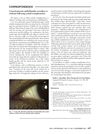
 Eyelash transplantation can cause eye damage and pain if not done carefully.
5 citations
,
March 2009 in “Skin Pharmacology and Physiology” DNA flow cytometry effectively evaluates how different conditions affect hair growth cell activity.
 4 citations
,
August 2023 in “Nature Communications”
4 citations
,
August 2023 in “Nature Communications” Mouse zigzag hair bends form due to a 3-day cycle of changes in hair progenitors and their environment.
25 citations
,
October 1975 in “Journal of Cutaneous Pathology” Hair growth in alopecia areata is hindered due to impaired cell activity in the surrounding tissue.
335 citations
,
March 2004 in “Development” Temporary activation of β-catenin can create new hair follicles, but ongoing activation is needed to keep hair follicle tumors.
4 citations
,
January 1981 in “PubMed” Hair medullary cells in mammals vary in complexity, with humans having more structured cells similar to inner root sheath cells.
3 citations
,
December 2013 in “Journal of Cell Science” Keratin 79 cells help form and regenerate hair canals.
1 citations
,
August 2016 in “Dermatology - Open Journal” Mitochondria change shape to meet energy needs during cell movement.
65 citations
,
May 2006 in “Journal of Structural Biology” Hair curliness is due to uneven distribution of different cortices within the hair fiber.
 January 1995 in “Equilibrium Research”
 Birds can regenerate inner ear hair cells from supporting cells, and mammals show potential for similar regeneration.
 September 2024 in “Journal of Anatomy and Histopathology”
 Miliacin helps damaged hair follicles grow new hair faster.
 January 2023 in “Methods in molecular biology”
 ROP GTPase helps control the growth of pollen tubes and root hairs by managing cell structure and movement.
36 citations
,
March 2014 in “Molecular and Cellular Biology” Cidea is essential for proper lipid storage and secretion in sebaceous glands, affecting skin and hair health.
 34 citations
,
December 2000 in “The journal of investigative dermatology/Journal of investigative dermatology”
34 citations
,
December 2000 in “The journal of investigative dermatology/Journal of investigative dermatology” Rat vibrissa follicles are useful for studying hair growth cycles, especially the transition from pro-anagen to anagen.
 7 citations
,
January 2022 in “Molecules”
7 citations
,
January 2022 in “Molecules” Tectoridin helps human hair cells grow and makes mouse hair longer, suggesting it could treat hair loss.