6 citations
,
September 2024 in “Current Oncology” Sacituzumab Govitecan is effective for certain breast cancers but requires careful management of side effects.
February 2024 in “Indian Journal of Chemistry” Compound N4 effectively kills breast cancer cells and compounds N2 and N3 have strong antibacterial and antifungal properties.
54 citations
,
February 1994 in “Journal of Investigative Dermatology”  41 citations
,
September 2007 in “Pediatric emergency care”
41 citations
,
September 2007 in “Pediatric emergency care” Oral medication is necessary to treat scalp fungus in children, with griseofulvin being the usual choice.
February 2026 in “Journal of Dermatological Treatment” CG2001 is safe and well-tolerated for treating hair loss, with fewer side effects than oral finasteride.
 December 2025 in “Педиатрическая фармакология”
 Tofacitinib is more effective than traditional treatments for severe alopecia areata in children.
20 citations
,
August 2023 in “Saudi Pharmaceutical Journal” Niosomes can effectively deliver cetirizine topically for treating alopecia.
 15 citations
,
November 2020 in “Pharmaceutics”
15 citations
,
November 2020 in “Pharmaceutics” Tofacitinib nanoparticles can safely and effectively treat alopecia areata by targeting hair follicles.
 November 2025 in “Eurasian journal of applied biotechnology”
 Combining L-cysteine, NAC, and a MET inhibitor significantly kills cervical cancer cells.

CG2001 is safe, well-tolerated, and a promising treatment for hair loss with fewer side effects.
April 2005 in “World Journal of Pharmaceutical and life sciences” Fluconazole-loaded hair gel may offer a longer-lasting dandruff treatment.
 September 2025 in “Experimental & Molecular Medicine”
 Small molecules KY19382 and KY19334 may help treat skin cancer by reducing CDK1 levels and blocking harmful cell signals.
April 2026 in “Case Reports in Dermatology” Tofacitinib effectively treated a woman's complex autoimmune and autoinflammatory disorders.
 49 citations
,
January 2018 in “Theranostics”
49 citations
,
January 2018 in “Theranostics” The new skin patch with human matrix and antibiotic improves wound healing.
 2 citations
,
December 1997 in “Journal of The American Academy of Dermatology”
2 citations
,
December 1997 in “Journal of The American Academy of Dermatology” The document concludes that doctors should monitor children's brain development when treating hemangiomas with interferon alfa and consider stopping the treatment if problems arise, while also exploring drugs that might counteract side effects.
 4 citations
,
December 2024 in “Clinical Cosmetic and Investigational Dermatology”
4 citations
,
December 2024 in “Clinical Cosmetic and Investigational Dermatology” Combining baricitinib with UV-B therapy effectively treats non-segmental vitiligo and is well-tolerated.
4 citations
,
October 2020 in “Actas Dermo-Sifiliográficas” Common dermatology drugs were considered but are controversial for COVID-19 treatment.
January 2023 in “Cutaneous and Ocular Toxicology” July 2025 in “Ultrasound in Medicine & Biology” UTMD with diclofenac and Doxil® improves cancer treatment by boosting immune response and reducing tumor-supporting cells.
2 citations
,
January 2016 in “SANGYO EISEIGAKU ZASSHI” Nurses are exposed to chemotherapy drugs, risking health issues like hair loss, so protective gear and monitoring are needed.
 July 2023 in “Developmental medicine and child neurology/Developmental medicine & child neurology”
 DFMO treatment improves hair growth, muscle tone, and development in Bachmann-Bupp syndrome patients.
 January 2024 in “Future postharvest and food”
 Frankincense may help treat COVID-19, but more research is needed.
 January 2020 in “bioRxiv (Cold Spring Harbor Laboratory)”
 Semecarpus anacardium leaf extracts may offer safe, effective cancer treatment alternatives.
 49 citations
,
March 2017 in “Journal of the American Academy of Dermatology”
49 citations
,
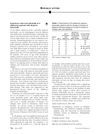
March 2017 in “Journal of the American Academy of Dermatology” Tofacitinib caused significant hair regrowth in adolescents with alopecia universalis who didn't respond to other treatments.
 9 citations
,
March 2022 in “Journal of radiation research”
9 citations
,
March 2022 in “Journal of radiation research” Boron neutron capture therapy for head and neck cancer can cause side effects like mouth sores and skin irritation, which vary depending on where the treatment is aimed.
15 citations
,
December 2019 in “European Journal of Dermatology” Low-dose tofacitinib is effective and cheaper for severe alopecia areata.
 2 citations
,
October 2018 in “Archives of Dermatological Research”
2 citations
,
October 2018 in “Archives of Dermatological Research” Tofacitinib helps mice grow more hair by increasing noggin and BMP4 levels, possibly better than minoxidil.
16 citations
,
March 2017 in “Oncotarget” SOCS3 treatment can prevent hair loss by stopping harmful immune responses.
 September 2023 in “International Journal of Trichology”
 Tofacitinib helped a woman regrow hair with no major side effects.