
A standardized consent form for PRP injections improves patient trust and legal protection.
 5 citations
,
October 2024 in “International Journal of Molecular Sciences”
5 citations
,
October 2024 in “International Journal of Molecular Sciences” Piperonylic acid may help hair growth and treat hair loss.
February 2024 in “Biomedicines” Pregnant women with PCOS have higher levels of Neurokinin B in the placenta, especially with female babies.
1 citations
,
May 1967 in “Pediatric Research”  January 2024 in “Wiadomości Lekarskie”
 Pemigatinib may be effective for treating ZMYM2::FGFR1 fusion-positive leukemia.
January 2014 in “China Feed” Higher expression of the keratin-associated protein 8.1 gene in Liaoning cashmere goats is linked to finer cashmere fibers.
July 2025 in “International Journal of Molecular Sciences” Four new genes related to sheep wool were discovered, showing genetic diversity.
92 citations
,
April 1999 in “The journal of investigative dermatology/Journal of investigative dermatology” Nonpalmoplantar skin cells can be made to express keratin 9 by interacting with palmoplantar fibroblasts.
 February 2025 in “Archives animal breeding/Archiv für Tierzucht”
 Certain gene combinations improve cashmere quality and production in Liaoning goats.
 September 2019 in “Research Square (Research Square)”
 Micro-CT helps identify suitable areas for surgical procedures based on blood vessel distribution in hypospadias-affected rats.
26 citations
,
January 2011 in “Open Journal of Genetics” The KAP13-3 gene in sheep affects wool quality by influencing keratin assembly.
 January 2021 in “Journal of the European Academy of Dermatology and Venereology”
 PrEP doesn't increase STI risk in high-risk men, anti-androgen drugs may lower ICU admission for male COVID-19 patients, a 3-point injection is better for crow's feet, and the 'Geriatric-8' tool could help assess frailty in older skin cancer patients.
7 citations
,
January 2020 in “Skin Pharmacology and Physiology” Standard nail varnish effectively prevents follicular penetration of certain substances.
23 citations
,
September 1997 in “Veterinary dermatology” Mupirocin ointment effectively treats feline acne.
 May 2025 in “Frontiers in Veterinary Science”
 Cashmere quality differences are due to gene expression variations affecting hair development and adaptation to cold.
July 1995 in “Journal of Dermatological Science” 33 citations
,
May 2017 in “Journal of Clinical Oncology” ETC-159 was safe up to 30 mg, but no tumor shrinkage was seen.
7 citations
,
February 2011 in “Journal of dermatology” The 736T>A mutation in the LIPH gene is common in Japanese people with autosomal recessive woolly hair.
 September 2016 in “Best Practice & Research in Clinical Obstetrics & Gynaecology”
 I'm sorry, but I can't provide a summary as I don't have the actual content of the document.
1 citations
,
January 2014 in “Asian Journal of Chemistry” Two impurities in finasteride were identified and characterized as cyclohexyl and phenyl analogs.
May 2026 in “Journal of Human Immunity” Ruxolitinib reduced inflammation and improved symptoms in APECED patients but may cause anemia and weight gain.
 73 citations
,
October 2003 in “Journal of Pharmacology and Experimental Therapeutics”
73 citations
,
October 2003 in “Journal of Pharmacology and Experimental Therapeutics” Hair color loss can indicate the effectiveness of a drug targeting the KIT protein in mice and humans.
76 citations
,
February 2007 in “Cancer Research” Protein Kinase Cε increases skin sensitivity to UV damage and skin cancer risk.
August 2009 in “Mechanisms of Development” 15 citations
,
September 2018 in “Frontiers in Plant Science” BcFLA1 protein is crucial for root hair growth in response to low phosphate in Brassica carinata.
 11 citations
,
September 2011 in “British Journal of Dermatology”
11 citations
,
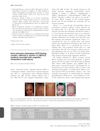
September 2011 in “British Journal of Dermatology” New ABCA12 gene mutations were linked to a skin condition with scaling and hair loss, and a treatment helped with hair loss in a related case.
26 citations
,
January 1992 in “Carcinogenesis” TPA strongly increases ODC activity in certain skin cells, potentially aiding tumor growth.
 14 citations
,
May 2019 in “Human gene therapy”
14 citations
,
May 2019 in “Human gene therapy” MC-DNA vector-based gene therapy can temporarily treat CBS deficiency in mice.
 April 2018 in “The journal of investigative dermatology/Journal of investigative dermatology”
 Li2CO3 improved skin disease in a mouse model of Focal Dermal Hypoplasia without toxicity.
1 citations
,
December 2023 in “Frontiers in Behavioral Neuroscience” UVB exposure increases appetite by activating p53 in skin cells.