
The document concludes that current treatments for androgenic alopecia are not fully effective, but new therapies like botulinum toxin and PRP show promise, and future gene therapy could be beneficial.
 January 2013 in “Dermatology”
 The ILDS Newsletter reported on efforts to support albinism patients in Tanzania and dermatological conferences.

Low-level laser therapy combined with Neoptide improved hair regrowth better than either treatment alone in rats.
 January 2012 in “Methods in pharmacology and toxicology”
 Hair follicle culture helps study hair growth but has limitations in modeling the full hair cycle.
 September 2011 in “Journal der Deutschen Dermatologischen Gesellschaft”
 Effective treatments for scalp psoriasis include glucocorticosteroids, Vitamin D3 analogs, and combination therapies like calcipotriol and betamethasone dipropionate.
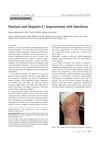 January 2011 in “Annals of dermatology/Annals of Dermatology”
 A woman's psoriasis improved after hepatitis C treatment with interferon, despite interferon's risk of worsening skin conditions.
 January 2009 in “Springer eBooks”
 The document concludes that treating skin conditions should include psychological care and a multidisciplinary approach is essential for effective management.
 January 2009 in “Springer eBooks”
 The document concludes that managing skin conditions during pregnancy is important and requires specialized care.
 January 2007 in “Elsevier eBooks”
 Alopecia areata is a reversible, autoimmune-related hair loss that can have significant emotional impact and uncertain treatment effectiveness.
 January 2005 in “Boletín del Instituto de Estudios Giennenses”
 The test product significantly improved hair growth and reduced hair fall without causing skin issues.
 October 2002 in “Dermatologic Surgery”
 The document concludes that careful planning, efficient use of every hair graft, and setting surgical priorities are crucial for successful hair restoration surgery.
 January 1983 in “Side effects of drugs annual”
 Beta-blockers and anti-anginal medications have various side effects and interactions that require careful monitoring and individualized treatment.
 November 1966 in “British Journal of Dermatology”
 The meeting discussed various skin conditions, treatments, and unusual cases, highlighting the effectiveness of tetracycline in treating rosacea.
 March 1965 in “Hospital Topics”
 Chemotherapy provides symptom relief and extends life in 30-50% of gynecological cancer cases, but has only cured choriocarcinoma.
 April 1940 in “Archives of dermatology”
 Diagnosing and treating skin conditions is challenging, especially when drug reactions mimic other diseases.
 November 2003 in “Journal of Dermatology”
 Authors defend finasteride-depression link, suggest detailed medical history, and call for more investigation.

Hair loss can cause significant social and emotional issues, especially for women and young men.
May 2018 in “Digital ProScholar Media eBooks” The new fluoroquinolone effectively fights certain bacteria.
September 2015 in “Photodiagnosis and Photodynamic Therapy” 8 citations
,
January 2020 in “Evidence-based Complementary and Alternative Medicine” Cinobufacin with chemotherapy improves treatment response and quality of life in advanced breast cancer patients while reducing some side effects.
 January 2026 in “Frontiers in Pharmacology”
 Cedrol may help treat inflammatory bowel disease by improving gut health and function.
2 citations
,
October 2025 in “Antimicrobial Agents and Chemotherapy” Cepharanthine can block enterovirus entry and protect against infection.
March 2003 in “International Journal of Antimicrobial Agents” April 2011 in “Reactions Weekly”  15 citations
,
May 1966 in “The Journal of Urology”
15 citations
,
May 1966 in “The Journal of Urology” A woman developed severe bladder inflammation after cancer treatment with Cytoxan.
37 citations
,
September 2002 in “Acta pædiatrica” A cystic fibrosis patient developed Cushing's syndrome from a drug interaction between itraconazole and budesonide, which improved after stopping the medications.
4 citations
,
August 2023 in “Biomedicine & Pharmacotherapy” Ivacaftor can protect against noise-induced hearing loss by reducing oxidative stress.
March 2019 in “Reactions Weekly” 2 citations
,
October 2020 in “Journal of Pharmacy And Bioallied Sciences” Hydroxychloroquine and chloroquine are not recommended for COVID-19 treatment due to insufficient evidence and safety concerns.