 19 citations
,
October 1985 in “British Journal of Dermatology”
19 citations
,
October 1985 in “British Journal of Dermatology” The document concludes that unruly hair can be congenital or acquired, often lacks specific treatments, and can be managed with oils and short hairstyles.
 February 2026 in “Brazilian Journal of Implantology and Health Sciences”
 Chronic stress and high cortisol levels can cause hair loss by disrupting hair growth.
 4 citations
,
August 2023 in “Nature Communications”
4 citations
,
August 2023 in “Nature Communications” Mouse zigzag hair bends form due to a 3-day cycle of changes in hair progenitors and their environment.
66 citations
,
May 2014 in “Conservation Physiology” Grizzly and black bears have different stress and hormone responses to salmon availability, influenced by nutrition and social competition.
1 citations
,
May 2016 in “The Veterinary Journal” Glucocorticoids affect dogs' skin reactions to histamine, which vary by time of day.
 April 2026 in “Comprehensive Psychoneuroendocrinology”
 Hair cortisol levels may be linked to stress, but results are inconsistent.
1 citations
,
August 2013 in “Journal of Clinical Epidemiology” The "exposure–crossover design" helps assess individual changes in risk after events like car crashes.
 6 citations
,
October 2018 in “PLoS ONE”
6 citations
,
October 2018 in “PLoS ONE” Stress can slow hair growth and affect skin color by impacting the body's stress response system.
 10 citations
,
June 2021 in “Primates”
10 citations
,
June 2021 in “Primates” Wild geladas in crop areas show less grooming and aggression.
 February 2024 in “medRxiv (Cold Spring Harbor Laboratory)”
 The study aims to understand how mood, physical activity, light exposure, and seasonal changes affect sleep patterns.
May 2026 in “Applied Spectroscopy” Humidity affects hair structure changes during stretching.
 14 citations
,
December 2003 in “International Journal of Cosmetic Science”
14 citations
,
December 2003 in “International Journal of Cosmetic Science” Hair growth and shedding are linked and can be disrupted, causing a delay known as the hair eclipse phenomenon, which is common in certain hair conditions and could lead to new treatments.
 5 citations
,
May 2018 in “Statistics in Medicine”
5 citations
,
May 2018 in “Statistics in Medicine” Model improves accuracy in predicting hair loss effects.
 April 2022 in “Indexia revista médico - científica”
 Alopecia causes sudden hair loss, possibly due to genetic, environmental, or immune factors.
 58 citations
,
December 2020 in “Mayo Clinic Proceedings”
58 citations
,
December 2020 in “Mayo Clinic Proceedings” The conclusion is that individual differences in COVID-19 severity are influenced by factors like age, sex, race, and genetics, which are important for personalized medicine.
 3 citations
,
May 2011 in “Medical Hypotheses”
3 citations
,
May 2011 in “Medical Hypotheses” Transnasal cooling could reveal new insights into various physiological conditions and may be a natural way to transfer heat from the brain.
 1 citations
,
January 2008 in “touchREVIEWS in Endocrinology”
1 citations
,
January 2008 in “touchREVIEWS in Endocrinology” Generalized glucocorticoid resistance causes hormone imbalances and varied symptoms due to gene mutations.
September 2013 in “Canadian Medical Association Journal” Alopecia areata causes sudden hair loss, often resolves within a year, but can recur.
2 citations
,
January 1996 in “Annals of saudi medicine/Annals of Saudi medicine” Alopecia areata is unpredictable, with limited treatment effectiveness, especially in severe cases.
296 citations
,
October 2018 in “General and Comparative Endocrinology” Hair cortisol is a reliable way to measure long-term stress in animals.
 November 2025 in “Journal of Laboratory Medicine”
 Chronic stress increased after lockdown, especially in young adults and females.
 67 citations
,
July 2016 in “Reviews in Endocrine and Metabolic Disorders”
67 citations
,
July 2016 in “Reviews in Endocrine and Metabolic Disorders” Stress can worsen skin conditions by affecting hormone levels and immune response.
November 2025 in “Scholarly Commons (Embry–Riddle Aeronautical University)” Urban air pollution worsens hair loss in alopecia areata by increasing immune response.
 May 2017 in “Journal of The American Academy of Dermatology”
 Certain factors like patchy hair loss at the back of the head, being female, and younger age at diagnosis can lead to a worse outcome for alopecia areata.
 November 2023 in “Advances and Applications in Statistics”
 AI can effectively predict COVID-19 mortality risk using patient data.
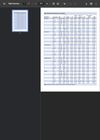 April 2026 in “Journal of Experimental Psychopathology”
 Hair cortisol levels may not reliably indicate psychological distress.
 September 2025 in “Matics Jurnal Ilmu Komputer dan Teknologi Informasi (Journal of Computer Science and Information Technology)”
 Random Forest Regression is best for predicting baldness risk.
 40 citations
,
May 2014 in “PLoS ONE”
40 citations
,
May 2014 in “PLoS ONE” Chronic stress can reduce skin pigmentation.
September 2025 in “Biology of Sex Differences” Females have a higher lifetime risk of alopecia areata than males.