 9 citations
,
February 2011 in “Biologics: Targets & Therapy”
9 citations
,
February 2011 in “Biologics: Targets & Therapy” Topical calcineurin inhibitors, especially 0.1% tacrolimus ointment, are effective and well-tolerated for treating cutaneous lupus erythematosus but require more research for standard treatment guidelines.
Low-level laser therapy reduces symptoms and inflammation in frontal fibrosing alopecia.
4 citations
,
April 2019 in “DOAJ (DOAJ: Directory of Open Access Journals)” 5-α-reductase inhibitors, intralesional steroids, and hydroxychloroquine are the most effective treatments for frontal fibrosing alopecia.

Higher doses of prednisone and triamcinolone acetonide successfully treated 8 out of 10 alopecia totalis patients.
July 2022 in “Journal of Cosmetic Dermatology” Isotretinoin with tacrolimus may be more effective short-term for treating frontal fibrosing alopecia than finasteride with tacrolimus.
 1 citations
,
July 2019 in “Medicina Clínica (English Edition)”
1 citations
,
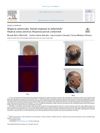
July 2019 in “Medicina Clínica (English Edition)” Tofacitinib partially improved hair regrowth in a patient with severe hair loss.
 February 2011 in “Annales de dermatologie et de vénéréologie”
 Tofacitinib shows promise for treating severe alopecia areata with good safety and effectiveness.
 February 2023 in “Archives of Dermatological Research”
 Laser treatment, especially when combined with other therapies, is effective for hair regrowth in alopecia areata.
 11 citations
,
November 2019 in “Clinical Case Reports”
11 citations
,
November 2019 in “Clinical Case Reports” A Brazilian teenager with severe hair loss had total hair regrowth with no side effects after using tofacitinib.
8 citations
,
July 2020 in “Dermatologic Therapy” Tofacitinib may effectively treat folliculitis decalvans.
3 citations
,
May 2014 in “Journal of the Egyptian Women's Dermatologic Society /Journal of the Egyptian Women's Dermatologic Society” Bimatoprost may help treat hair loss from alopecia areata.
 July 2019 in “International journal of dermatology, venereology and leprosy sciences”
 Oral cyclosporine works better than betamethasone minipulse therapy for treating Alopecia Areata.
 9 citations
,
February 2022 in “European Journal of Pharmaceutics and Biopharmaceutics”
9 citations
,
February 2022 in “European Journal of Pharmaceutics and Biopharmaceutics” A new treatment for hair loss uses tiny lipid carriers to deliver a mix of minoxidil and latanoprost directly to hair follicles, promoting hair growth and being well tolerated by the skin.
 October 2025 in “International Journal of Risk & Safety in Medicine”
 Oral tofacitinib successfully treated a girl's severe skin and hair conditions.
 June 2023 in “International Journal of Clinical Research and Reports”
 Method B with propylene glycol is better for stable low-concentration DPCP solutions for alopecia areata.
 September 2025 in “Tạp chí Da liễu học Việt Nam”
 2.5 mg/mL TAC is as effective and safe as 5 mg/mL, but 5 mg/mL may improve hair regrowth and density more.
 102 citations
,
April 2014 in “International Journal of Dermatology”
102 citations
,
April 2014 in “International Journal of Dermatology” The treatment helped reduce symptoms and stabilize the hairline in most patients with Frontal Fibrosing Alopecia, but hair regrowth was limited.
Combining pentoxifylline with corticosteroids improves alopecia areata treatment.
 June 2024 in “Australasian Journal of Dermatology”
 Tofacitinib is safe and effective for treating moderate-to-severe alopecia areata.
 49 citations
,
March 2017 in “Journal of the American Academy of Dermatology”
49 citations
,
March 2017 in “Journal of the American Academy of Dermatology” Tofacitinib caused significant hair regrowth in adolescents with alopecia universalis who didn't respond to other treatments.
1 citations
,
February 2025 in “Archives of Dermatological Research” Using Excimer light with topical steroids is the most effective treatment for alopecia areata.
 2 citations
,
December 2020 in “American Journal of Dermatological Research and Reviews”
2 citations
,
December 2020 in “American Journal of Dermatological Research and Reviews” The combination therapy was effective and well-tolerated, especially in young patients.
August 2025 in “Saudi Pharmaceutical Journal” The ointment effectively treats neurodermatitis and chronic eczema without causing skin irritation.
75 citations
,
September 1971 in “British Journal of Dermatology” Both steroids effectively promote hair growth for at least 9 months.
 August 2018 in “Journal of the American Academy of Dermatology”
 Tofacitinib is a potential alternative treatment for alopecia totalis, especially in patients with a shorter duration of the condition and more preserved hair follicles, but the overall response rate is low.
 11 citations
,
February 2021 in “Journal of Cosmetic Dermatology”
11 citations
,
February 2021 in “Journal of Cosmetic Dermatology” Oral tofacitinib helped regrow hair in over half of the patients with severe alopecia, but relapses and side effects were common.
16 citations
,
March 2022 in “Journal of Clinical Medicine” Dexamethasone mini-pulse therapy is effective for alopecia areata but less effective for those with early onset or hypothyroidism.
 9 citations
,
August 2018 in “JAAD Case Reports”
9 citations
,
August 2018 in “JAAD Case Reports” Tofacitinib can temporarily improve hair growth in alopecia universalis, but its effectiveness may decrease over time.
October 2024 in “Zagazig University Medical Journal” Transdermal delivery using a fractional CO2 laser is more effective for treating alopecia areata than injections.
 13 citations
,
March 1990 in “JAMA”
13 citations
,
March 1990 in “JAMA” Topical eye β-blockers might cause hair loss, which usually gets better after stopping the medication.