January 2001 in “대한피부과학회지” Oral minipulse therapy with betamethasone effectively promotes hair regrowth in alopecia areata with fewer side effects.
4 citations
,
April 1955 in “Archives of Dermatology” Hydrocortisone ointment effectively improved eyebrow skin and hair in a 10-year-old.
9 citations
,
November 1980 in “Geburtshilfe und Frauenheilkunde” Fenoterol treatment causes increased hair growth due to higher metabolism in hair follicles, not hormones.
 109 citations
,
March 2011 in “Journal of controlled release”
109 citations
,
March 2011 in “Journal of controlled release” New micelle solutions greatly improve skin delivery of certain antifungal drugs.
1 citations
,
November 2016 in “Journal of dermatological treatment” Oral tacrolimus may be a potential treatment for hair loss that doesn't respond to corticosteroids.
 1 citations
,
August 2011 in “Planta Medica”
1 citations
,
August 2011 in “Planta Medica” Bimatoprost effectively promotes hair growth.
38 citations
,
June 2015 in “PubMed” Calcipotriol cream can effectively and safely treat mild-to-moderate patchy hair loss.
 January 2010 in “Yearbook of Dermatology and Dermatologic Surgery”
 Topical latanoprost and bimatoprost ophthalmic solutions don't help eyelash growth in patients with alopecia areata.
31 citations
,
April 2005 in “American journal of ophthalmology” Latanoprost can cause eyelash drooping as a side effect.
 100 citations
,
June 2011 in “Journal of The American Academy of Dermatology”
100 citations
,
June 2011 in “Journal of The American Academy of Dermatology” 5% minoxidil foam once daily works as well as 2% minoxidil solution twice daily for female hair growth and is more convenient.
 9 citations
,
November 2017 in “Journal of Glaucoma”
9 citations
,
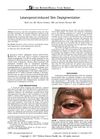
November 2017 in “Journal of Glaucoma” Latanoprost eye drops may cause skin depigmentation.
 January 2007 in “Inpharma Weekly”
 Dutasteride is more effective for male pattern baldness than finasteride, and black cohosh extract BNO 1055 is as effective as conjugated estrogens in treating postmenopausal symptoms, with added benefits in reducing sweating and mental symptoms.
18 citations
,
June 2020 in “Dermatologic Therapy” FCO2 laser is a better treatment for alopecia areata than intralesional steroids.
 December 2024 in “PubMed”
 Cyclosporine effectively treated a woman's stubborn skin condition.
 November 2025 in “Archives of Dermatological Research”
 Using a higher concentration of triamcinolone acetonide leads to faster hair regrowth in scalp patchy alopecia areata.
 November 2023 in “Clinical, Cosmetic and Investigational Dermatology”
 A man's rash caused by Finasteride improved after stopping the drug and starting new treatments.
March 2026 in “Journal of medical & health sciences review.” Both 5% minoxidil foam and liquid effectively treat hair loss, with foam slightly preferred.
January 2025 in “Veterinary Record Case Reports” The dog's skin condition improved quickly with treatment and did not return.
 October 2019 in “International journal of research in dermatology”
 Misusing topical corticosteroids can cause skin darkening and other side effects.
January 2018 in “International Journal of Medical Reviews and Case Reports” Bimatoprost 0.03% solution may help treat hair loss.
 1 citations
,
July 2019 in “Medicina Clínica (English Edition)”
1 citations
,
July 2019 in “Medicina Clínica (English Edition)” Tofacitinib partially improved hair regrowth in a patient with severe hair loss.
9 citations
,
October 1947 in “The Lancet” 1 citations
,
November 1947 in “The Lancet”  July 2024 in “Forum Dermatologicum”
 Topical treatments for hair loss can be effective but need careful safety evaluation.
2 citations
,
October 2021 in “Journal of Cosmetic Dermatology” Finasteride is more effective and satisfactory than montelukast for treating moderate acne in women.
8 citations
,
October 2015 in “PubMed” 5% minoxidil foam effectively treats female hair loss.
 July 1988 in “Journal of The American Academy of Dermatology”
 Various dermatologic treatments were effective for skin conditions like acne, rosacea, hair loss, and psoriasis from December 1986 to December 1987.
 August 2019 in “Journal of The American Academy of Dermatology”
 5% minoxidil foam effectively regrows hair in women, with postmenopausal women seeing the most improvement.
 1 citations
,
April 2017 in “Journal of Investigative Dermatology”
1 citations
,
April 2017 in “Journal of Investigative Dermatology” Tofacitinib may slow hair loss in scarring alopecias but is unlikely to regrow significant hair.