January 2016 in “Refubium (Universitätsbibliothek der Freien Universität Berlin)” CAP7.1 is generally safe at 200 mg/m²/day, but can cause fatigue, nausea, hair loss, fever, and blood-related issues.
 March 2021 in “Clin-Alert”
 The FDA warned about safety issues with remdesivir and tofacitinib, finasteride is linked to suicidality, potent topical corticosteroids increase osteoporosis risk, henna can cause hemolysis in G6PD deficiency, chemotherapeutic agents can cause adverse reactions, drug interactions are common in cancer patients, ketamine can reduce at-risk drinking, high dose of anticholinergics increases dementia risk in Parkinson's patients, and prenatal exposure to second-generation antipsychotics increases pregnancy complications.
 September 2010 in “Institutional Repositories DataBase (IRDB)”
 Sorafenib can cause a temporary skin condition that goes away after stopping the drug.
7 citations
,
June 2007 in “AIDS” A man's hair loss was linked to his HIV medication, which improved after changing drugs.
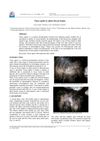
An adult Libyan woman was successfully treated for a rare scalp infection usually seen in children.
 26 citations
,
October 2020 in “Pediatric Dermatology”
26 citations
,
October 2020 in “Pediatric Dermatology” Oral tofacitinib may effectively treat hair loss in children with alopecia areata.
6 citations
,
March 2005 in “Journal of the American Academy of Dermatology” Follicular dystrophy in immunocompromised patients may be linked to medication or viral factors and can improve with treatment changes.
 February 2026 in “Indian Journal of Skin Allergy”
 Ruxolitinib cream effectively treats skin conditions like atopic dermatitis and vitiligo with minimal side effects.
18 citations
,
April 2011 in “Neuropharmacology” 11β-Hydroxylase inhibitors help prevent seizures in mice by boosting natural neurosteroid production.
 January 2024 in “American journal of clinical dermatology”
 Ritlecitinib is safe and well-tolerated for treating alopecia areata in patients aged 12 and older.